Skip to content

Coverage desk

Oman

9 published stories

DHL, Oman Air, GWC scale Gulf land bridge as RFS demand surges 30%
AI & Automation

DHL, Oman Air, GWC scale Gulf land bridge as RFS demand surges 30%

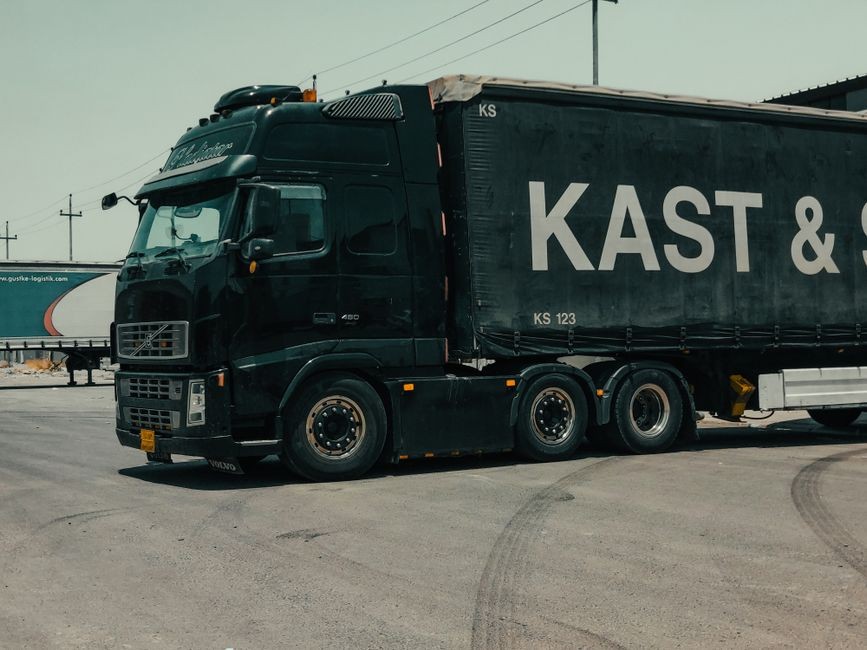
Logistics operators DHL, Oman Air Cargo, and Gulf Warehousing Company (GWC) are rapidly scaling the Gulf land bridge amid ongoing regional conflict. Oman Air launched a daily Road Feeder Service (RFS) between Muscat and Dubai; GWC introduced a TIR-powered air-to-land corridor; and DHL confirmed a marked uptick in Gulf road freight demand following the Strait of Hormuz closure. Demand for RFS surged 30% in the first three weeks of the US/Israeli war against Iran. Regional coordination enabled full corridor functionality in just 47 days. Flow Progressive Logistics’ CEO Achraf Ellili stated the route is now 'stress-tested at scale' and viable as a complementary gateway alongside Jebel Ali. The conflict’s unresolved status continues to drive adoption.

Emerging Markets Reshape Global Supply Chains in 2026
Africa Supply Chain

Emerging Markets Reshape Global Supply Chains in 2026

According to www.cnnblog.co.uk, emerging markets—especially in Africa and the Middle East—are reshaping global supply chains in 2026 by evolving from consumption endpoints into active logistics, manufacturing, and distribution hubs. Strategic geography, massive infrastructure investments (e.g., in Oman and Tanzania), and expanding industrial ecosystems are enabling shorter transit times, diversified sourcing, and regional production. Businesses are adopting diesel forklifts and industrial forklifts to support growing cargo volumes, while integrating digital tools with physical logistics systems. Challenges include infrastructure gaps, port congestion, and regulatory complexity.

Hafeet Rail UAE-Oman Corridor 40% Complete
Middle East Supply Chain

Hafeet Rail UAE-Oman Corridor 40% Complete

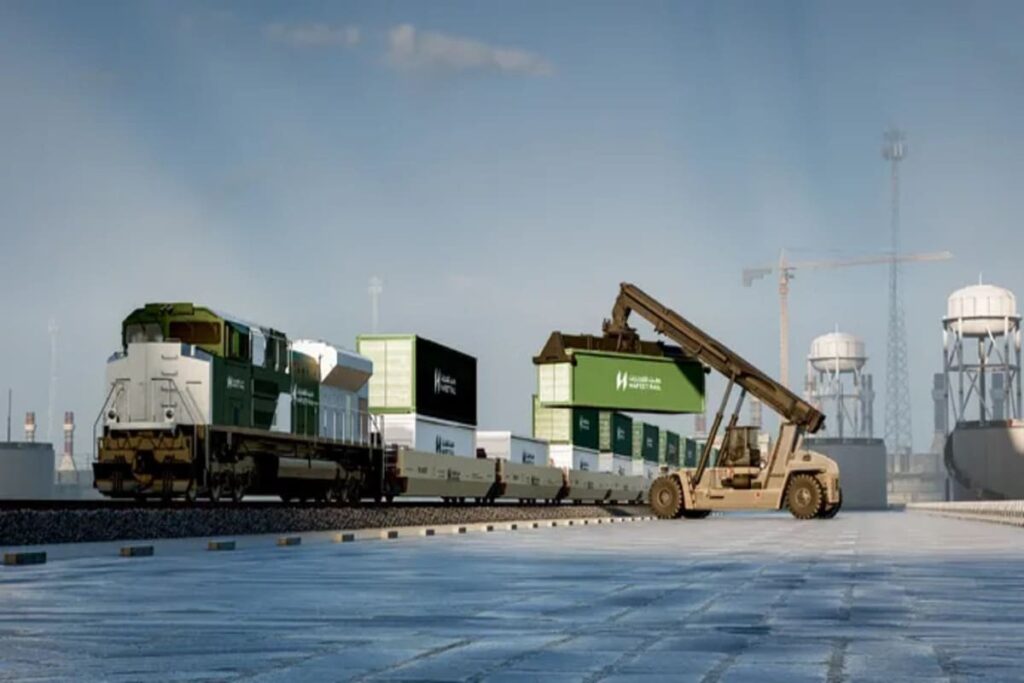
Hafeet Rail — a joint venture of Etihad Rail, Oman Rail, and Mubadala — has completed 40 percent of the 238km UAE-Oman logistics corridor, per economymiddleeast.com. Key milestones include 27 million cubic metres of earthworks, 100,000+ cubic metres of concrete, and ten million safe man-hours. The project enhances cross-border freight, supports Oman Vision 2040 and UAE development goals, and integrates advanced signalling and interoperable systems. It reduces road dependency, cuts emissions, and strengthens GCC supply chain resilience.

Strategic Diversion and Systemic Resilience: How Saudi Arabia, UAE, and Oman Are Rewiring Gulf Supply Chains Amid Hormuz Instability
Disruptions

Strategic Diversion and Systemic Resilience: How Saudi Arabia, UAE, and Oman Are Rewiring Gulf Supply Chains Amid Hormuz Instability

This analysis examines how Saudi Arabia, the UAE, and Oman are executing a coordinated, infrastructure-driven reconfiguration of Gulf supply chains in response to Strait of Hormuz instability. Moving beyond crisis mitigation, the three nations are activating sovereign logistics corridors—Saudi Red Sea ports, UAE rail-air dual networks, and Oman's tri-port ecosystem—that collectively redefine maritime dependency, port functionality, and regional interoperability.

Strategic Diversion and Systemic Resilience: How Saudi Arabia, UAE, and Oman Are Rewiring Gulf Supply Chains Amid Hormuz Instability
Geopolitics

Strategic Diversion and Systemic Resilience: How Saudi Arabia, UAE, and Oman Are Rewiring Gulf Supply Chains Amid Hormuz Instability

This analysis examines how Saudi Arabia, the UAE, and Oman are executing a coordinated, infrastructure-driven reconfiguration of Gulf supply chains in response to Strait of Hormuz instability. Moving beyond crisis mitigation, the three nations are activating sovereign logistics corridors—Saudi Red Sea ports, UAE rail-air dual networks, and Oman's tri-port ecosystem—that collectively redefine maritime dependency, port functionality, and regional interoperability.

Salalah Port Surges to 4.3M TEU with 78% LSCI Rebound in Q1 2026 as Hormuz and Red Sea Chokepoints Close
Supply Chain

Salalah Port Surges to 4.3M TEU with 78% LSCI Rebound in Q1 2026 as Hormuz and Red Sea Chokepoints Close

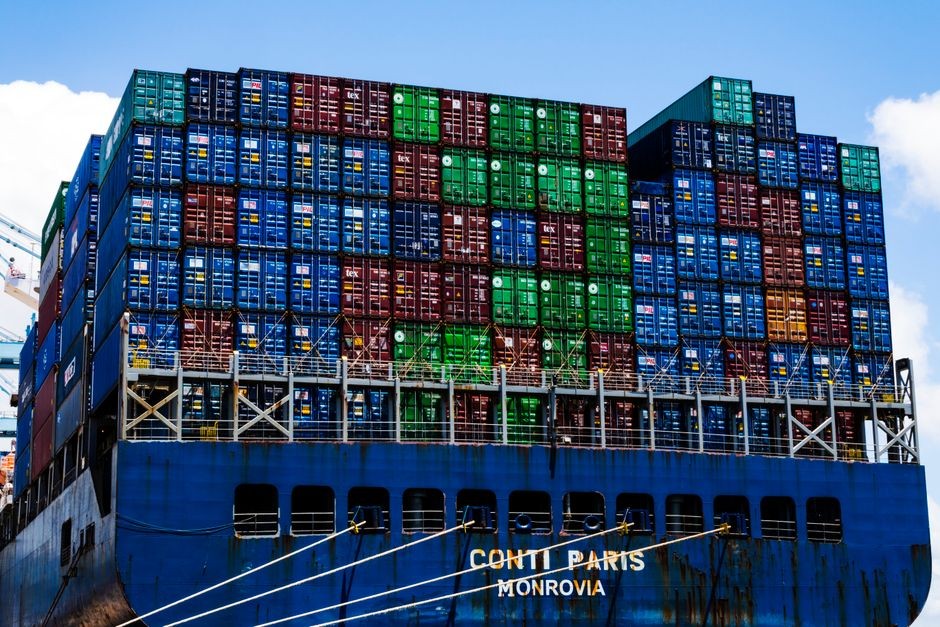
Salalah Port in Oman has become the Middle East's sole accessible container transshipment hub following closures of the Strait of Hormuz and Bab el-Mandeb. Its Liner Shipping Connectivity Index rebounded 78% to 237 in Q1 2026, while throughput surged to 4.3M TEU — a 30% YoY increase. Strategically located 500km north of Hormuz and outside Red Sea conflict zones, Salalah outperforms regional peers like Sohar (LSCI 195, <1M TEU) and Mundra (8.5M TEU, India-focused). With Jebel Ali (15.5M TEU, LSCI 791) inaccessible and ~20M TEU annually routed through Hormuz, Salalah's role is shifting from contingency to structural node — validated by APM Terminals' expansion plans and its #2 global ranking in the World Bank's Container Port Performance Index for three consecutive years.

Welcome Back!

Login to your account below

Create New Account!

Fill the forms below to register

Retrieve your password

Please enter your username or email address to reset your password.

Add New Playlist