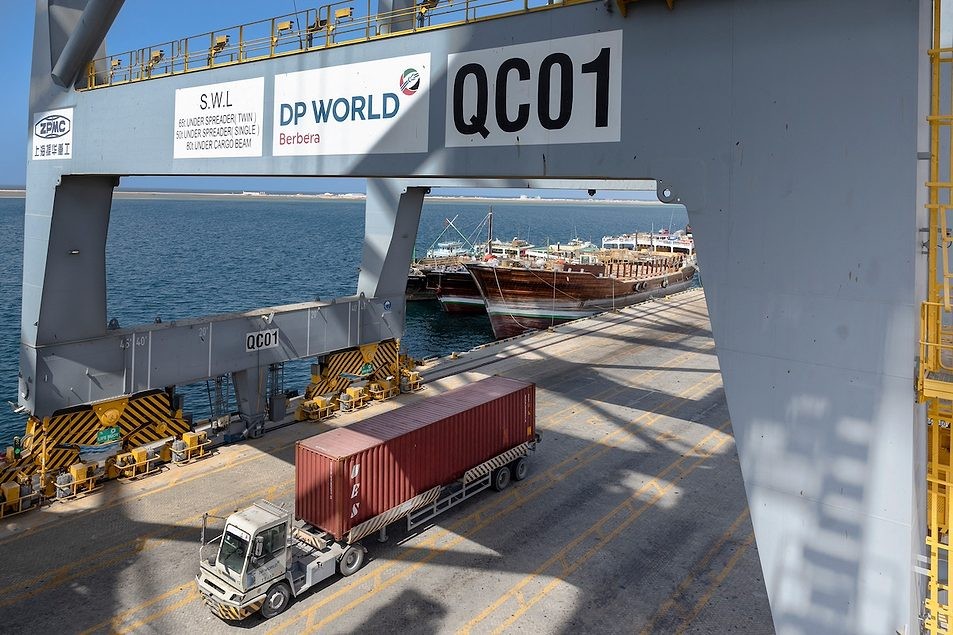
According to www.cnnblog.co.uk, emerging markets—especially in Africa and the Middle East—are reshaping global supply chains in 2026 by evolving from consumption endpoints into active logistics, manufacturing, and distribution hubs. Strategic geography, massive infrastructure investments (e.g., in Oman and Tanzania), and expanding industrial ecosystems are enabling shorter transit times, diversified sourcing, and regional production. Businesses are adopting diesel forklifts and industrial forklifts to support growing cargo volumes, while integrating digital tools with physical logistics systems. Challenges include infrastructure gaps, port congestion, and regulatory complexity.
According to www.cnnblog.co.uk, global supply chains are undergoing a quiet but decisive shift in 2026, with growth, efficiency, and opportunity increasingly driven by emerging markets—particularly across Africa and the Middle East. These regions are no longer just endpoints for goods; they are becoming active engines of logistics, manufacturing, and distribution.
The Shift Away from Traditional Models
For decades, trade networks revolved around established hubs in North America, Europe, and parts of East Asia. But recent disruptions—including geopolitical tensions and rising transportation costs—have forced companies to seek:
- diversified supply chains
- shorter transit times
- reduced dependency on single regions
- access to high-growth markets
Emerging economies are meeting these needs through strategic infrastructure investments and positioning themselves as strategic trade connectors.
Drivers of Momentum
Three interrelated factors are accelerating this trend:
- Strategic geographic positioning: The Middle East sits at the crossroads of major trade routes connecting Asia, Europe, and Africa; East Africa serves as a gateway to inland economies dependent on coastal ports—enabling businesses to optimize shipping routes, reduce transit times, and access multiple markets from a single hub.
- Infrastructure investments at scale: Governments are investing billions into port expansions, rail and road networks, logistics zones, and industrial corridors—transforming countries like Oman and Tanzania into logistics hubs capable of handling high cargo volumes efficiently.
- Growth of industrial and logistics ecosystems: Rapid expansion in warehousing, manufacturing facilities, and distribution centers supports not only imports and exports but also regional production and consumption—making supply chains more localized and resilient.
Logistics Efficiency as a Competitive Imperative
As trade volumes increase, efficiency is becoming the defining factor of success. Modern logistics hubs require faster cargo handling, streamlined warehouse operations, reduced turnaround times, and improved inventory management. This has spurred demand for reliable material handling equipment—from unloading containers to managing high-volume storage. According to the report, many businesses in Africa are adopting diesel forklift solutions for logistics operations to handle heavy cargo and maintain consistent performance in demanding environments. Similarly, firms in the Middle East are prioritizing industrial forklifts for logistics and warehouse operations to enable faster and safer material handling.
Technology and Operational Integration
The evolution is both physical and technological. Emerging markets are adopting real-time shipment tracking, digital inventory management, warehouse automation, and data-driven logistics planning. However, the source states:
“Technology alone is not enough. Physical operations still depend on reliable systems for moving goods. This is why companies are combining digital tools with efficient logistics equipment solutions to create fully optimized supply chains.”
Challenges and Pragmatic Considerations
Despite rapid growth, challenges remain—including infrastructure gaps in certain regions, port congestion during peak periods, regulatory complexities, and varying levels of operational efficiency. According to the report, companies that succeed are those that adapt their strategies and invest in systems that improve reliability and flexibility.
Implications for Supply Chain Professionals
For global supply chain professionals, this shift means new opportunities—but also new responsibilities. Integrating emerging markets requires evaluating port capacity, inland transport connectivity, local equipment serviceability, fuel availability (e.g., diesel infrastructure), and workforce readiness for operating advanced material handling systems. It also demands deeper due diligence on regulatory frameworks and partnerships with locally embedded logistics providers. Success hinges not only on route optimization but on ensuring end-to-end operational continuity—from vessel discharge to final-mile delivery.
Source: www.cnnblog.co.uk
Compiled from international media by the SCI.AI editorial team.