Global hunger fell to 645 million people (7.8% of the world population) in 2025, marking the third straight annual decline since pandemic-driven spikes. Yet conflicts — especially in the Middle East — and climate shocks threaten reversal, with the UN World Food Programme warning that 45 million more could face acute food insecurity if the Iran war continues and oil exceeds $100/barrel. Africa remains the epicenter: one in five people there were undernourished in 2025, and the UN projects 56% of the world’s hungry will live there by 2030. Supply chain professionals must now integrate humanitarian risk data into logistics planning, particularly across Red Sea and Suez Canal corridors.
According to www.supplychainbrain.com, global hunger declined in 2025, with 645 million people — or 7.8% of the world’s population — facing hunger, down from 8.1% in 2023 and 8.6% in 2022.
Hunger Trends and Regional Disparities
The United Nations’ 2026 State of Food Security and Nutrition in the World report documents the third consecutive annual decline since hunger spiked from 7.5% in 2019 to 8.6% in 2021. While Asia saw gains driven by expanded food assistance programs and Latin America strengthened food security policies, progress remains uneven. In Africa, one in five people — approximately 240 million individuals — were undernourished in 2025, accounting for nearly half of the world’s hungry population. By contrast, Asia represented just 6% and Latin America and the Caribbean 4.8% of the global hungry population that year.
Conflict and Climate as Accelerating Threats
Geopolitical conflict and climate shocks pose acute reversal risks. Alvaro Lario, President of the International Fund for Agricultural Development, told the Associated Press:
“We are in a current era where we have the highest number of conflicts and [they] are still increasing. Whenever there is a conflict, also hunger, displacement, refugees increase.”
A May 2026 analysis by the UN World Food Programme estimated that if the Iran war persists and oil prices rise above $100 a barrel, nearly 45 million additional people could fall into acute food insecurity or worse. Climate-related volatility — oscillating between extreme drought and catastrophic flooding — further strains agricultural output and supply chain stability across vulnerable regions.
Africa’s Projected Burden and Supply Chain Implications
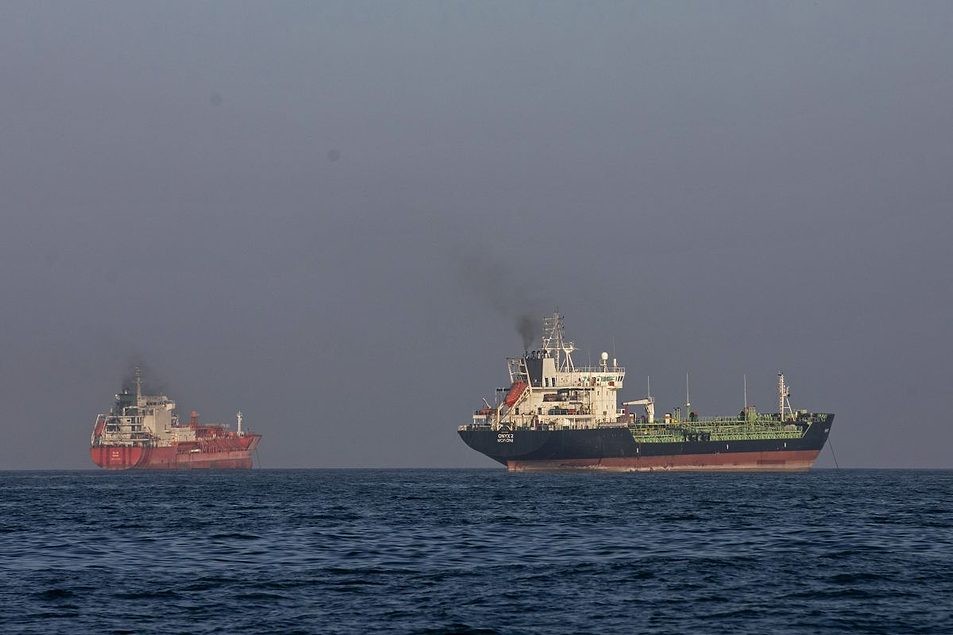
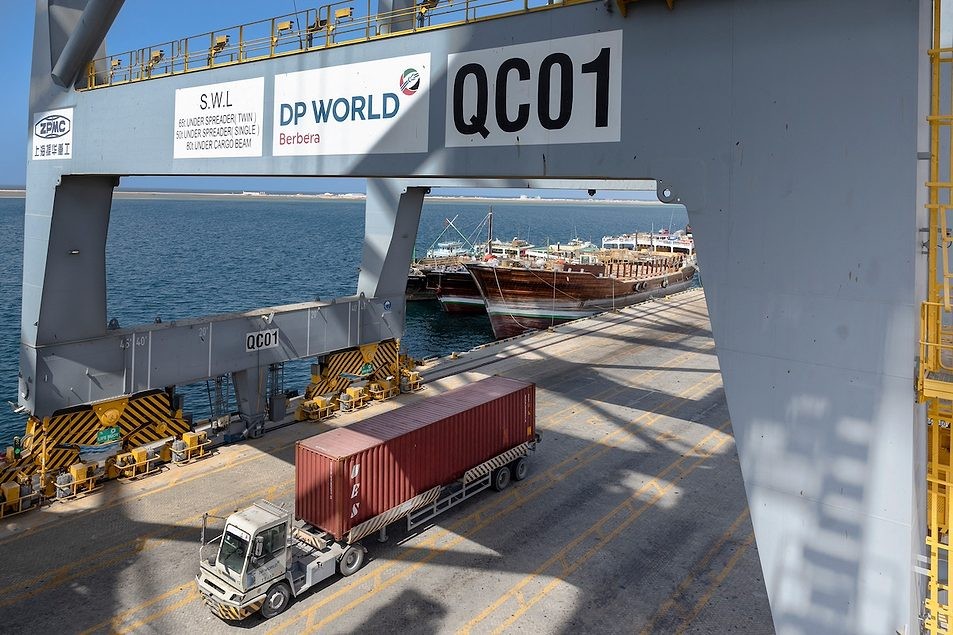
The UN projects that by 2030, 56% of the world’s hungry population will reside in Africa — a stark escalation from current levels. This trajectory has direct implications for global food supply chains, particularly for companies managing perishable logistics, humanitarian aid distribution, and agricultural commodity sourcing. For supply chain professionals, rising instability in the Middle East and Africa necessitates enhanced risk mapping, diversified supplier networks, and real-time monitoring of climate-sensitive transport corridors — especially those crossing the Red Sea and Suez Canal. Recent disruptions, including the Ukraine strikes on Iranian ships in the Caspian Sea, underscore how regional hostilities increasingly intersect with maritime logistics chokepoints.
Policy and Operational Responses
Supply chain resilience strategies now require integration of humanitarian metrics alongside traditional KPIs. The report highlights that countries with robust social protection systems — such as Brazil’s Bolsa Família expansion and India’s Public Distribution System upgrades — achieved faster hunger reduction. Meanwhile, private-sector actors face mounting pressure to align procurement practices with ESG frameworks, particularly around Scope 3 emissions and ethical sourcing in high-risk geographies. As food insecurity intensifies in low-income nations, logistics providers must adapt warehousing, cold-chain, and last-mile delivery protocols to volatile operating environments — including unpredictable customs delays, fuel shortages, and infrastructure damage from climate events.
Source: Supply Chain Brain
Compiled from international media by the SCI.AI editorial team.