Skip to content

Coverage desk

Iran

71 published stories

Precious Shipping receives $11m Hormuz war risk payout
Disruptions

Precious Shipping receives $11m Hormuz war risk payout

Precious Shipping has received an $11 million war risk insurance payout related to vessel operations in the Strait of Hormuz, following multiple route diversions and heightened threat assessments in early 2026. The claim — one of the largest publicly disclosed this year — reflects surging marine war risk premiums, which jumped from 0.07% to 0.25% of insured value between January and May 2026. Seven of the Thai dry bulk operator’s vessels were rerouted, adding 12 days per voyage and raising bunker costs by 18%. Industry-wide, war risk premiums rose 42% year-on-year, forcing supply chain professionals to treat geopolitical exposure as a quantifiable cost in freight contracting and cargo insurance.

Hormuz Ship Backlog Spurs Bioinvasion Risk Alert
Middle East Supply Chain

Hormuz Ship Backlog Spurs Bioinvasion Risk Alert

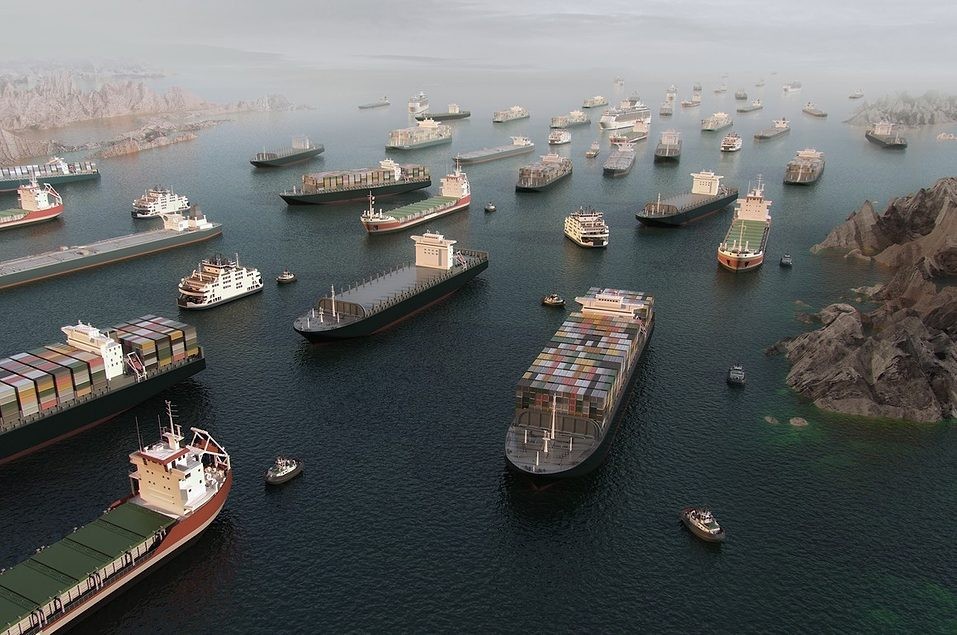
Scientists warn that over 1,500 ships stranded in the Strait of Hormuz since late February 2026 have accumulated dangerous levels of marine biofouling — including algae, mussels, and barnacles — raising high risks of global 'bioinvasion.' With vessels idle for at least 40 times longer than typical port stays, invasive species may spread to ports worldwide upon departure. A July 22, 2026 report urges mandatory hull inspections and cleaning before resuming voyages, and calls for coordinated early detection at receiving ports. The Strait of Hormuz, handling ~20% of global oil shipments, is now an ecological flashpoint with cascading supply chain and regulatory implications.

US sanctions 8 Chinese, Hong Kong firms over Iranian oil shipments
Geopolitics

US sanctions 8 Chinese, Hong Kong firms over Iranian oil shipments

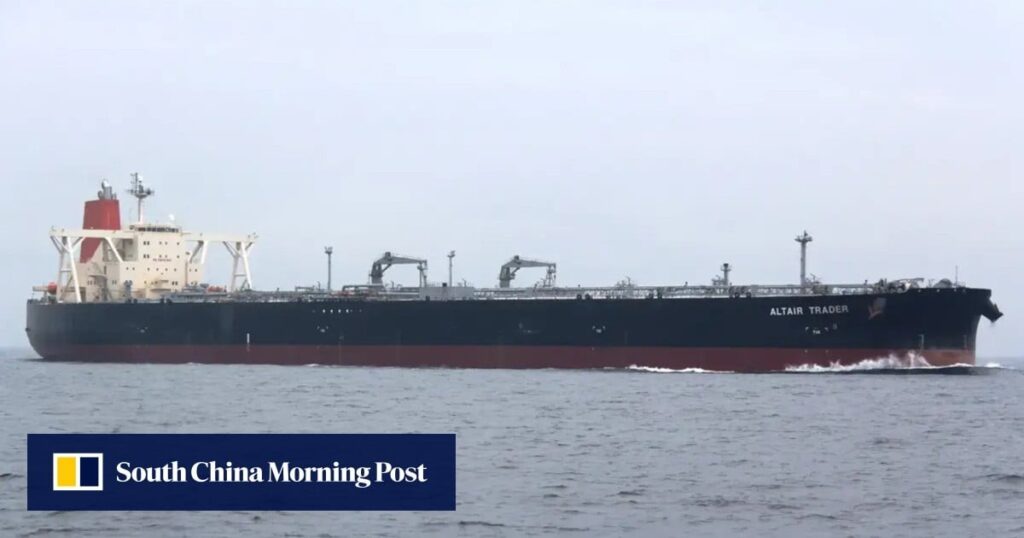
The U.S. sanctioned eight Chinese and Hong Kong shipping firms on 29 July 2026 for operating vessels in Iran’s sanctions-evading 'shadow fleet.' Six tankers were specifically accused of delivering millions of barrels of Iranian crude to China in 2026. The designations freeze U.S.-jurisdiction assets and prohibit U.S. entities from transacting with them. State Department spokesman Tommy Pigott stated the action supports U.S. Navy enforcement of a blockade on Iranian ports. Two Iranian companies forcing maritime insurance on Strait of Hormuz transit vessels were also targeted. Firms were incorporated between 2021 and 2024, with operations traced to Ningbo, Shanghai, and Hong Kong.

Ukraine strikes Iranian cargo ship in Caspian Sea on July 25
Europe Supply Chain

Ukraine strikes Iranian cargo ship in Caspian Sea on July 25

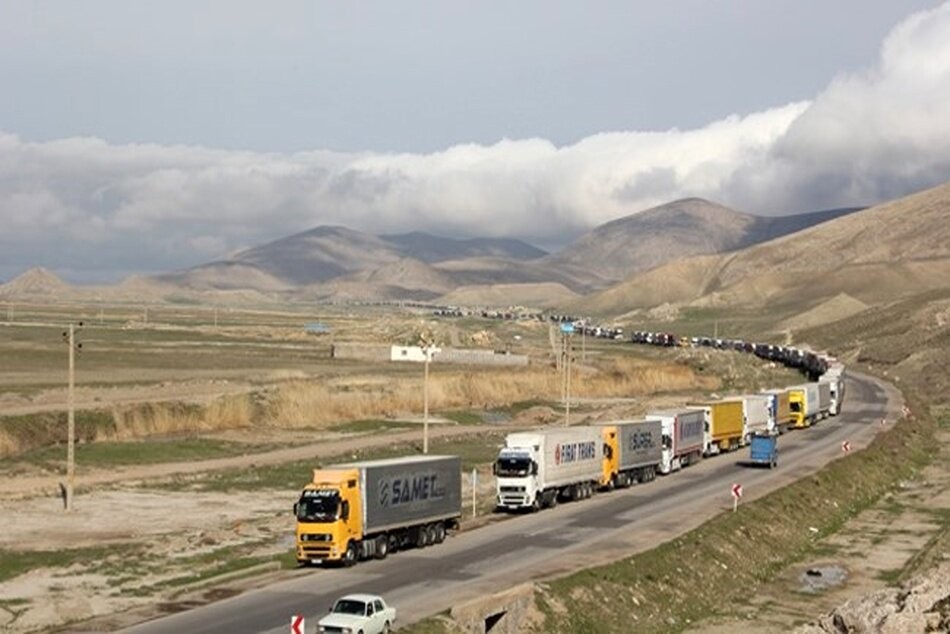
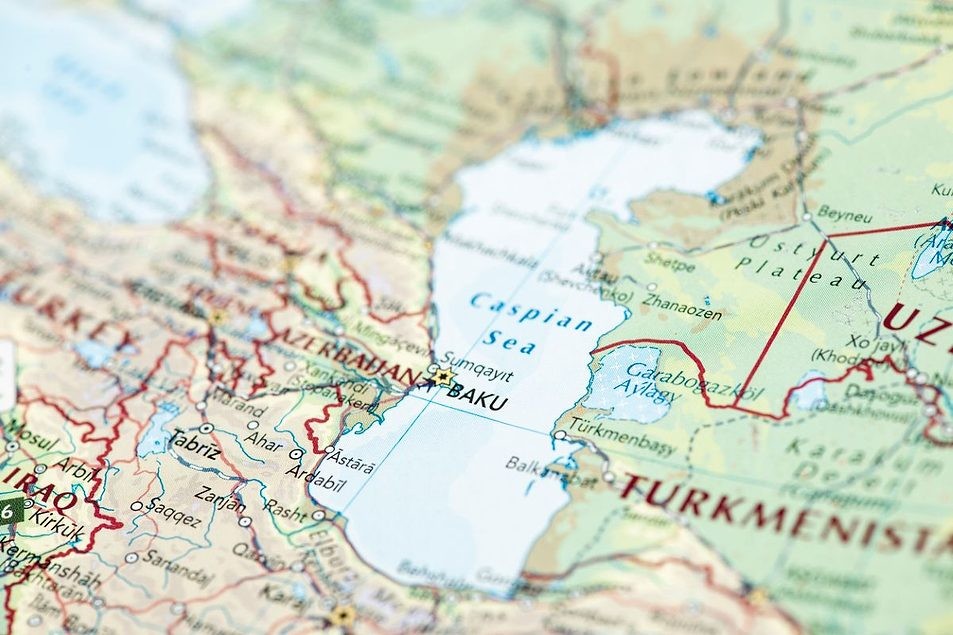
Ukraine struck an Iranian cargo ship in the Caspian Sea on July 25, 2026, prompting Iranian threats of retaliation and raising alarms across global shipping networks. Ukraine claimed the vessel carried military equipment to Russia; Iran called it a commercial ship and accused Ukraine of killing a sailor. Foreign Minister Abbas Araghchi labeled the strike a 'blatant U.N. Charter violation', while Ukraine’s Andrii Sybiha countered that Iran has no standing to claim victimhood. With the Strait of Hormuz closed and Red Sea routes threatened, the Black Sea and Caspian Sea are now designated high-risk zones. Caspian freight volumes dropped 12% YoY in Q2 2026, and insurance premiums rose 27% post-attack.

Ukraine drone strike expands war risk to Caspian Sea
Disruptions

Ukraine drone strike expands war risk to Caspian Sea

A Ukrainian drone strike on an Iranian cargo vessel in the Caspian Sea — 2,000 km from Ukraine’s front lines — has shattered assumptions of maritime immunity in the region. The July 2026 attack, which killed one sailor and injured others, marks the first confirmed military targeting of commercial shipping in the Caspian. It joins the Suez Canal, Strait of Hormuz, and Black Sea on marine war risk insurers’ watchlist. With no maritime alternative and limited land-based rerouting options, the incident exposes vulnerabilities in Russian-Iranian supply chains. Ukrainian USVs cost ~$250,000 each — underscoring how cheap, long-range unmanned systems are redefining naval threat calculus.

Houthi blockade cuts Red Sea traffic 40%, raises Middle East conflict risk
Geopolitics

Houthi blockade cuts Red Sea traffic 40%, raises Middle East conflict risk

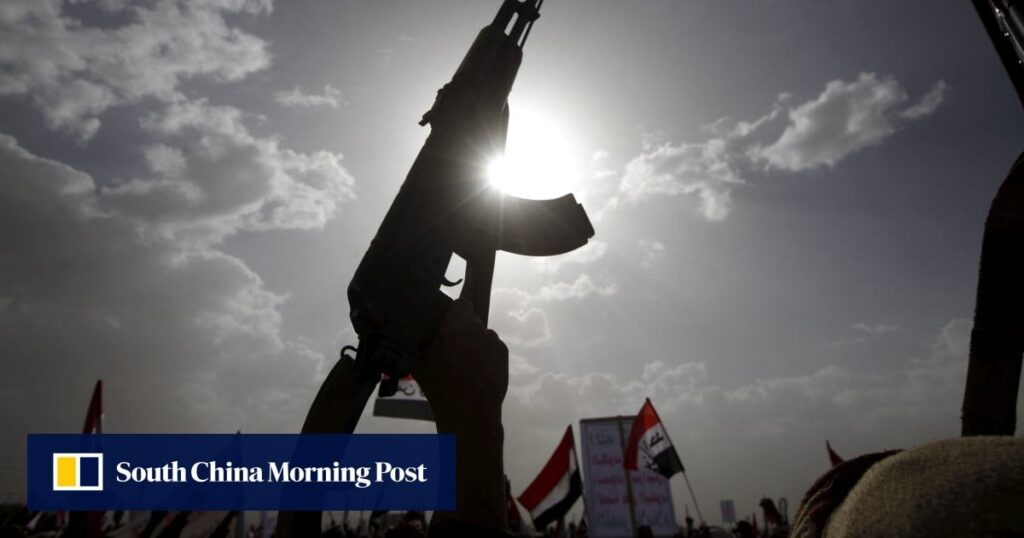
Houthi forces imposed a Saudi shipping embargo on 22 July 2026, cutting Red Sea traffic by 40% and triggering Saudi airstrikes on Hodeidah port. A National Shipping Company of Saudi Arabia oil tanker was hit on 25 July 2026, prompting Donald Trump’s threat to hold Iran responsible. Pakistan activated its mutual defence pact with Riyadh, while U.S. Central Command escalated surveillance. The Red Sea handles 12% of global trade; disruptions have raised Asia–Europe freight rates by 215% and extended auto component lead times by 18–22 days.

WD-40 faces 100% sourcing cost spike amid Iran war
AI & Automation

WD-40 faces 100% sourcing cost spike amid Iran war

WD-40 reports a 100% spike in some sourcing costs tied to the Iran war, with petroleum-based specialty chemical prices surging as Brent crude approaches $100/barrel. The impact takes 90–120 days to flow through margins. P&G estimates a $1 billion annual after-tax cost at that oil price, versus mid-$60s pre-war levels. Lamb Weston braces for volatility in packaging and fuel, while supply chain leaders cite extended lead times — now averaging 18 weeks — and $2.4 million in new supplier validation costs. The Strait of Hormuz and Red Sea emerge as critical flashpoints disrupting chemical logistics.

75% of Procurement Pros Cite Middle East Conflict as Top Supply Chain Risk
Middle East Supply Chain

75% of Procurement Pros Cite Middle East Conflict as Top Supply Chain Risk

Global supply chain concerns remain near record highs in Q2 2026, with 75% of procurement professionals citing Middle East conflict as their top risk—surpassing broader geopolitical uncertainty (67%) and Ukraine-related disruptions (33%). Cybersecurity has risen to among the top three expected risks over the next 12 months, while shipping and logistics face input cost increases exceeding 10%. One-third of organizations report direct impacts from evolving US tariff policy, and 37% are actively monitoring trade policy developments. Resilience strategies—including supplier diversification and extended contracts—are now central to procurement strategy, especially in southern Africa.

United Airlines cargo revenue rises 22.6% to $527M on Iran war-driven rates
AI & Automation

United Airlines cargo revenue rises 22.6% to $527M on Iran war-driven rates

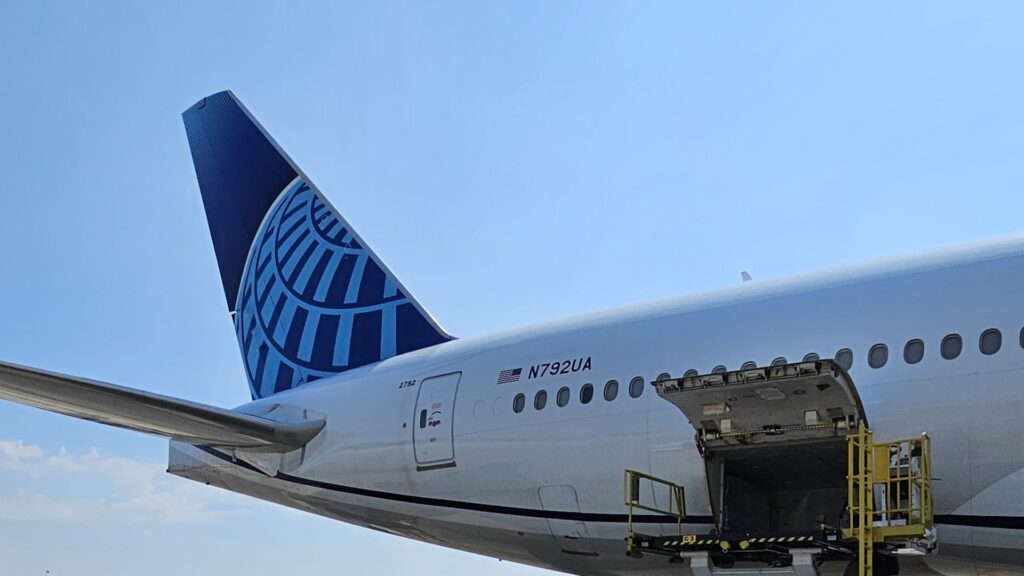
United Airlines reported a 22.6% increase in cargo revenue to $527 million for Q2 2026, driven by elevated air cargo rates stemming from Middle East hostilities. Cargo volume reached 347 million pounds—the highest since March 2020—with medical shipments exceeding 9 million pounds and military equipment totaling 232,000 pounds. Spot rates rose 35–40% YoY, and Xeneta forecasts 2026 rates up 5–15% year-on-year. Despite record cargo performance, net income fell 17% to $805 million due to a $2.3 billion fuel cost surge linked to Strait of Hormuz disruptions.

2026 air cargo rates rise 15% amid Iran war disruption
AI & Automation

2026 air cargo rates rise 15% amid Iran war disruption

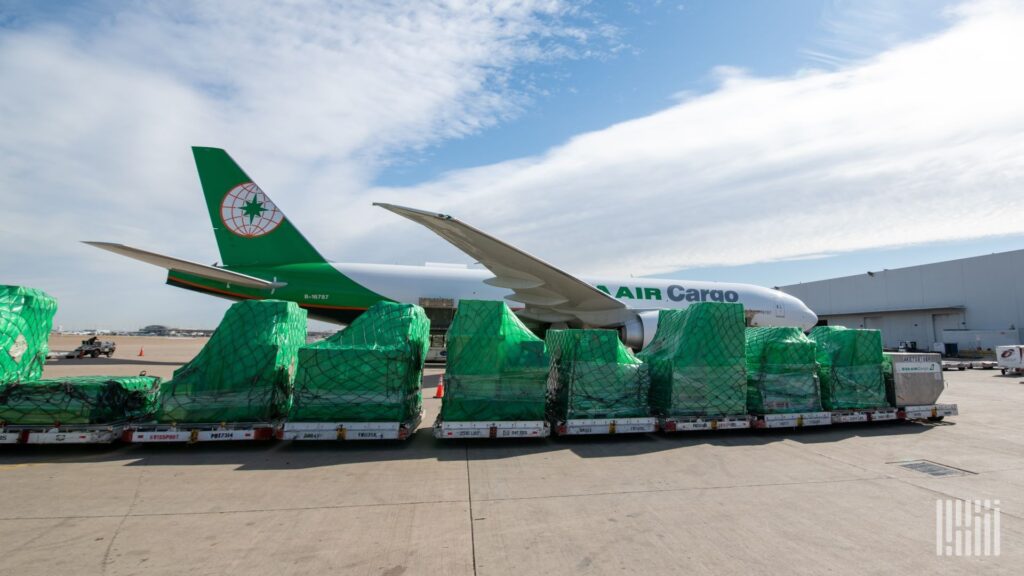
Air cargo rates are projected to rise 5%–15% in 2026 due to renewed hostilities between Iran and the U.S., which have removed over 12% of global air cargo capacity—especially via the Middle East corridor. Xeneta revised its forecast from a 5%–10% decline to an upward swing following the Feb. 28 outbreak of conflict. Demand surged 7% YoY in June, outpacing 3% supply growth; aircraft utilization rose to 62%. Spot rates jumped 40% in May–June, lifting United Airlines’ Q2 cargo revenue to $527 million (+22.6%) and Delta’s to $291 million (+39%). The Freightos index shows rates 25% above pre-war levels. AI hardware shipments now account for 10% of air cargo volume, offsetting a 7% YoY drop in China’s low-value e-commerce exports—the sixth straight monthly decline.

TIACA: Gulf conflict cuts air cargo capacity, doubles fuel prices
Disruptions

TIACA: Gulf conflict cuts air cargo capacity, doubles fuel prices

TIACA warns that the Gulf conflict severely disrupted air cargo in early 2026, eliminating capacity, closing trade lanes, and doubling fuel prices. Demand fell in March 2026 but rebounded to 4–6% monthly growth by mid-July. Vietnam has overtaken China in US laptop exports, signaling accelerated 'China plus one' manufacturing shifts. DHL launched a new Vietnam–US freighter service on 9 July 2026, while Cathay Cargo relocated Mumbai operations on 13 July. The TIACA Air Cargo Forum will convene 26–29 October 2026 in Miami Beach to address capacity planning, digital solutions, and geopolitical risk.

Iran conflict tests 2026 air cargo outlook amid 6% YoY demand rise
Middle East Supply Chain

Iran conflict tests 2026 air cargo outlook amid 6% YoY demand rise

Escalating conflict among Iran, the U.S., and Israel is disrupting 2026 air cargo forecasts, despite a 6% year-over-year demand rise in February. Key Middle East corridors—critical for pharmaceuticals and retail shipments—are now constrained, prompting carriers like Emirates SkyCargo to limit freighter operations. Rerouting has added 12–24 hours to transit times and raised fuel surcharges up to 18%. Seventy-three percent of large shippers have activated secondary routing, and 41% increased safety stock by at least 15%. Regulatory bodies have issued updated overflight restrictions effective March 2026.

Welcome Back!

Login to your account below

Create New Account!

Fill the forms below to register

Retrieve your password

Please enter your username or email address to reset your password.

Add New Playlist