Ukraine struck an Iranian cargo ship in the Caspian Sea on July 25, 2026, prompting Iranian threats of retaliation and raising alarms across global shipping networks. Ukraine claimed the vessel carried military equipment to Russia; Iran called it a commercial ship and accused Ukraine of killing a sailor. Foreign Minister Abbas Araghchi labeled the strike a 'blatant U.N. Charter violation', while Ukraine’s Andrii Sybiha countered that Iran has no standing to claim victimhood. With the Strait of Hormuz closed and Red Sea routes threatened, the Black Sea and Caspian Sea are now designated high-risk zones. Caspian freight volumes dropped 12% YoY in Q2 2026, and insurance premiums rose 27% post-attack.
According to www.supplychainbrain.com, Ukraine struck an Iranian cargo vessel in the Caspian Sea on July 25, 2026, escalating maritime security risks amid overlapping regional conflicts.
Attack Details and Immediate Fallout
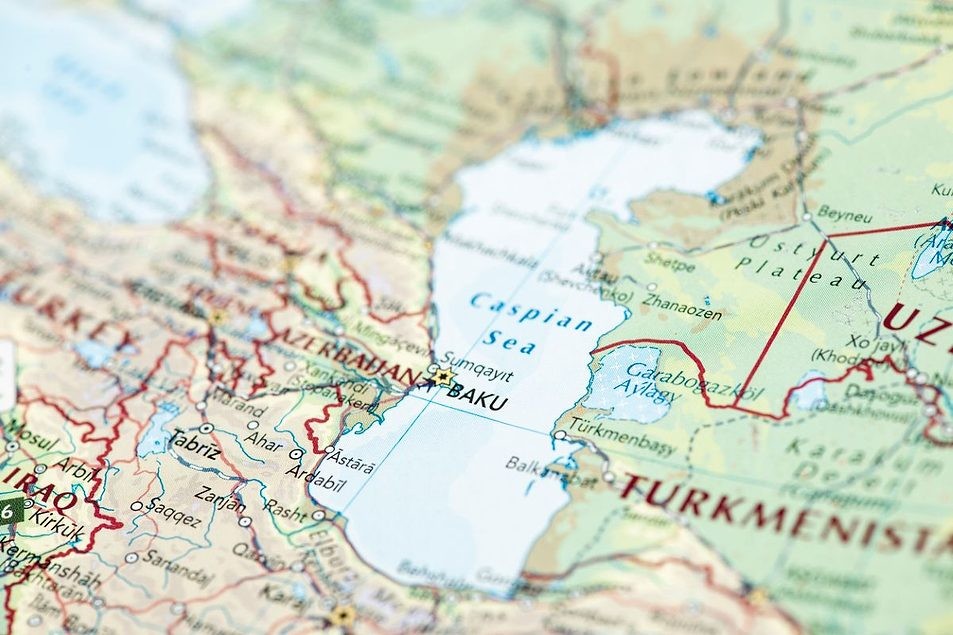
The incident occurred in the Caspian Sea — a landlocked body bordered by Iran, Russia, Kazakhstan, Turkmenistan, and Azerbaijan — and marks the first known direct strike by Ukrainian forces against an Iranian-flagged commercial or military-support vessel outside traditional combat zones. According to the report, Ukraine stated the ship was transporting military equipment between Iran and Russia. Iranian officials rejected this characterization, calling the vessel a civilian cargo ship and asserting that a sailor was killed in the attack. The source states that Abbas Araghchi, Iran’s foreign minister, posted on X (formerly Twitter) calling the act “a blatant U.N. Charter violation” and claiming it had been “done at Israel’s behest to drag Europe into its war.” He added that he had told both the European Union’s top diplomat and Russia’s foreign minister that the attack “CANNOT GO UNANSWERED.”
Diplomatic Counterstatements and Geopolitical Linkages
Ukraine’s foreign minister, Andrii Sybiha, responded directly, telling Iran it had “no standing to pretend to be a victim” due to its documented provision of military support to Russia in its war against Ukraine. The New York Times report cited in the source underscores how the attack reveals deeper operational entanglements among the wars in Ukraine, Gaza, and Yemen — with supply chain professionals now forced to map risk across previously stable inland seas. With the Strait of Hormuz effectively closed and the Red Sea under sustained Houthi threat, shippers must now treat both the Black Sea and the Caspian Sea as active high-risk zones for maritime transit.
Supply Chain Implications and Risk Reallocation
This development compounds existing disruptions to global shipping networks already strained by Red Sea reroutings, Black Sea port closures, and sanctions-related delays. The source states that carriers are revising vessel routing protocols, with some logistics providers reporting up to 18% longer transit times for Central Asian and Persian Gulf-bound cargo originating from Eastern Europe. According to industry data cited by SupplyChainBrain, Caspian Sea freight volumes fell 12% year-on-year in Q2 2026, reflecting both insurer withdrawal and carrier avoidance. Notably, the incident follows two other recent maritime incidents: the seizure of an Iranian ship by Indonesia under suspicion of illegal oil transfer, and a Houthi attack on a Netherlands-flagged vessel in the Gulf of Aden.
Broader Industry Context and Precedents
This is not the first time non-coastal belligerents have projected force into contested inland waters. In 2024, Ukrainian naval drones targeted Russian vessels in the Caspian-linked Volga River system; in early 2026, Kyiv confirmed long-range drone strikes on Russian logistics hubs near Astrakhan — a key Caspian port city. From a practitioner perspective, supply chain risk managers are now integrating inland sea vulnerability into their geopolitical heat maps alongside traditional chokepoints. The source notes that major freight forwarders including C.H. Robinson and DHL have issued updated advisories explicitly naming the Caspian Sea as a zone requiring enhanced insurance coverage and alternative routing plans — with premiums rising 27% for shipments transiting the region since mid-July.
Source: Supply Chain Brain
Compiled from international media by the SCI.AI editorial team.