Skip to content

AI & Automation · Supply Chain · Technology · Warehousing & Transport

Ports Reopen as Unions Warn of Contract Negotiation Risks

Container Handling Resumes at Dozens of East Coast and Gulf Ports Following Brief Dockworker Strikes as ILA and Shipping Lines Prepare for Negotiations

Original source: Source information pending

Ports Reopen as Unions Warn of Contract Negotiation Risks
📋 本文要点

Container Handling Resumes at Dozens of East Coast and Gulf Ports Following Brief Dockworker Strikes as ILA and Shipping Lines Prepare for Negotiations

Dockworkers have resumed work at ports along the East Coast and Gulf of Mexico, but their union has warned that major issues related to automation still need to be negotiated before the extension of the current contract expires in early 2025.

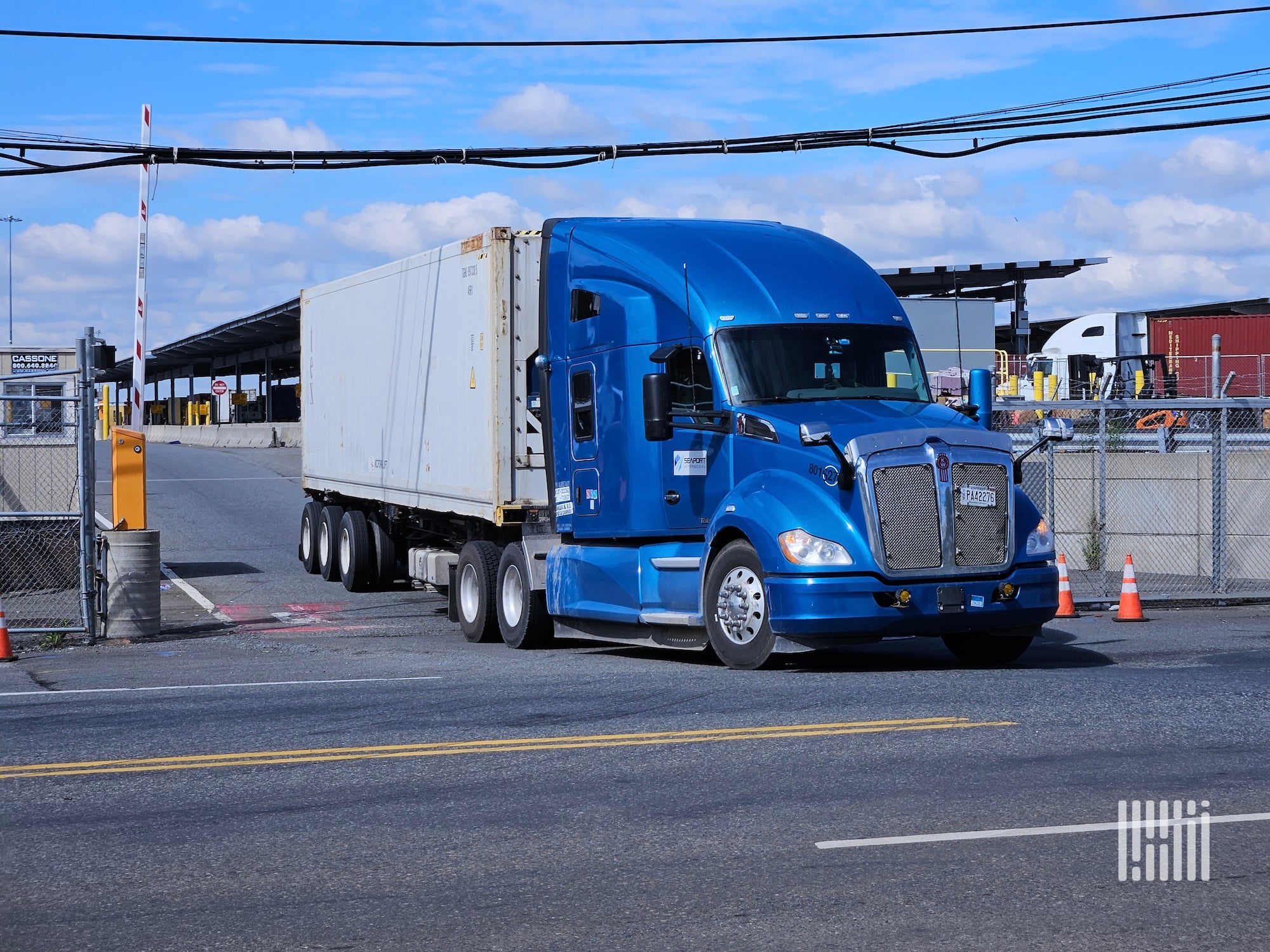
After a three-day strike by the International Longshoremen’s Association (ILA) involving its 45,000 members brought imports to a standstill and forced dozens of ships to anchor outside maritime gateways from New England to Texas, major terminals reopened on Sunday to help restart container handling operations.

If the strike had lasted for a week, up to one million TEUs could have been stranded outside the ports.

The ILA suspended its strike late Thursday night, agreeing temporarily to a 62% wage increase deal with port employers represented by the United States Maritime Alliance (USMX). With assistance from Biden administration officials, both sides also agreed to extend the main contract until January 15 and resume negotiations for a new six-year agreement. The contentious issues include benefits, container bonuses, and the union’s insistence on banning automation technology at 14 of the 36 container handling centers across ports.

“Although securing significant wage increases is an important part of the contract, we must also protect our historic work jurisdiction from being replaced by automation,” said Union President Harold Daggett in a message to members posted on the union’s website.

Dock operators and shipping companies represented by the USMX stated that they have reached agreements with the union on technological issues.

Approval of the new contract by all ILA members is not certain; in September, 33,000 Boeing workers rejected a tentative agreement with the largest aerospace company in the United States.

—

Source: FreightWaves

Ask SCI.AI Finished reading? Continue with SCI.AI. Explore the related policy, route, company and historical context. Continue asking
NRF: Early peak shipping season to subside in September
Supply Chain

NRF: Early peak shipping season to subside in September

The National Retail Federation (NRF) and Hackett Associates report that the early peak shipping season is ending, with U.S. port imports expected to decline for the rest of 2026. May was the busiest month at 2.24 million TEU. Tariff changes and supply chain disruptions drove retailers to pull forward orders. Consumer spending remains resilient. Full-year 2026 imports are projected at 25.5 million TEU, up 0.1% from 2025.

China’s exports rise 14%, imports up 22% amid trade war resilience
Supply Chain

China’s exports rise 14%, imports up 22% amid trade war resilience

China’s foreign trade rose 17.3% to ¥30.13 trillion in the first seven months of 2026, with exports up 14% and imports surging 22%. High-tech exports jumped over 50% in July, accounting for nearly 60% of monthly export growth. U.S.-China trade fell 1.6%, while ties with over 180 countries—including ASEAN and the EU—expanded. Green exports like EVs and lithium batteries posted double-digit growth for the 17th straight month. China also applies zero tariffs to imports from 63 countries.

TSMC revenue up 33.7%, ASML ships 86 lithography machines
Manufacturing

TSMC revenue up 33.7%, ASML ships 86 lithography machines

TSMC reported $40.2 billion in Q2 2026 revenue — up 33.7% year-on-year — with 2-nm process contributing 3% of sales. ASML shipped 86 new lithography machines in the same quarter, boosting revenue to €9.32 billion ($10.69 billion). TSMC holds 73% of the global foundry market, while ASML’s EUV tools remain essential for sub-3-nm chip production. Both companies’ five-year net income grew over 90% (ASML) and 251% (TSMC). TSMC’s $100 billion Arizona expansion will support 2-nm manufacturing and advanced packaging.

Welcome Back!

Login to your account below

Create New Account!

Fill the forms below to register

Retrieve your password

Please enter your username or email address to reset your password.

Scan to share via WeChat

Open WeChat and scan the QR code to share

QR Code

Add New Playlist

