

Amazon's Cargo Airline Welcomes Shipments from Logistics Companies and Other Enterprises to Better Utilize Its Private Fleet Originally Designed for E-commerce Sales Support
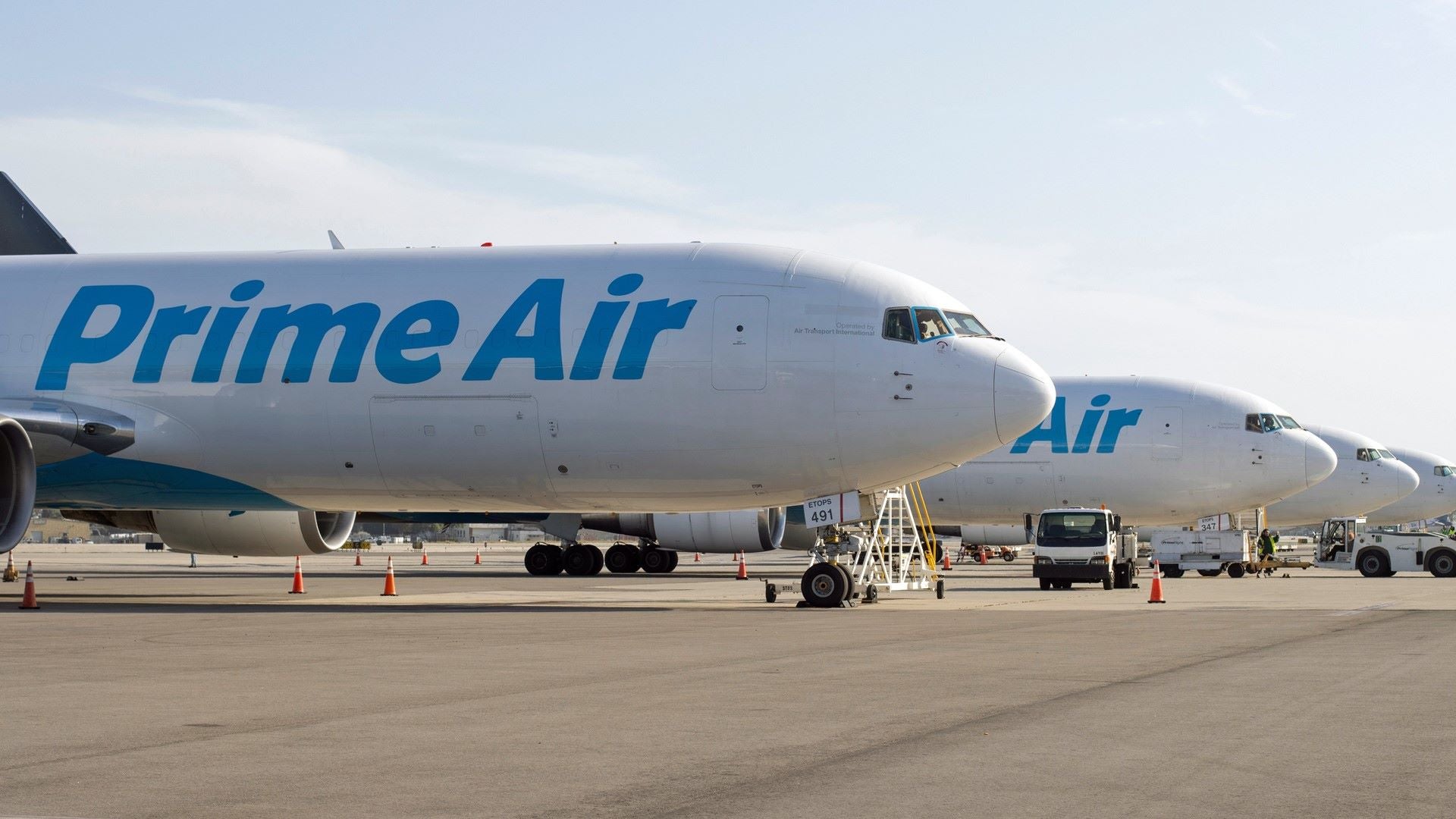
Amazon has officially entered the external leasing market for air cargo, making its large fleet of freight aircraft widely available to freight forwarders and other businesses. This move positions Amazon to challenge FedEx and UPS by seeking a larger share in the domestic air cargo market. Since its establishment in 2016, Amazon Air now operates over 100 aircraft with multiple aviation sorting centers, executing more than 250 flights daily and forming a network connecting 54 airports across the United States.
Three weeks ago, Amazon launched the Amazon Air Cargo website to promote and book cargo services online. The service is available in North America, Europe, and India. Amazon Air Cargo offers shippers options for on-demand shipments, space reservation, or charter flights. This service primarily targets logistics companies, e-commerce retailers, and postal service providers.
Amazon has long offered cargo space on its aircraft to a select few clients but now fully opens this service to the public to maximize excess capacity. The new website enables Amazon Air to attract customers beyond those using Amazon Prime, opening the door to comprehensive air freight services.
On LinkedIn, Amazon’s logistics division announced: “Ready for takeoff! Amazon Air Cargo is now operational, serving domestic networks in North America, Europe, the Middle East, Africa, and Asia. Leveraging Amazon’s world-class logistics network, we are ready to handle, transport, and deliver your goods safely, reliably, and efficiently—every day.”
Amazon’s success in third-party freight will depend on the terms, conditions, and pricing offered, as express carriers typically prioritize their core business over freight forwarder cargo when capacity is tight. The move to sell air cargo services aligns with Amazon’s broader logistics strategy, including independent shipping services and global supply chain solutions.
Amazon primarily operates Boeing 737-800 narrow-body and Boeing 767 medium-widebody freighters, but in the past year, its fleet has expanded to include six Airbus A330-300 large freighters. As e-commerce sales normalize and shift towards a regional fulfillment model that reduces reliance on air transport, Amazon has been cautious about expanding its air network. This regional fulfillment strategy may free up spare capacity for third-party clients.
Amazon’s move to offer wholesale capacity is a logical evolution of an integrated express carrier similar to FedEx, UPS, and DHL Express, which have provided wholesale capacity for decades. Amazon will now compete directly with FedEx and UPS in the traditional domestic air freight market.
—
Source: FreightWaves


