PepsiCo is scaling its Asia Pacific Greenhouse sustainability program from pilot projects to full operational deployment in 2026, following four years and more than 22 startup pilots. The IMPACT Edition focuses on integrating proven technologies—including AI-powered logistics optimization, biochar production, electric agri-machinery, plastic recycling, and digital soil analytics—into daily supply chain operations. Led by Ashley Brown, VP of Sustainability for Asia Pacific, the initiative emphasizes cross-functional collaboration across supply chain, procurement, R&D, and operations. Partners include Artesian, AgFunder Asia, SAIL (NTU Singapore), AgriFutures growAG, Circulate Capital, GC Ventures, and CM Venture Capital. The shift underscores a strategic pivot from experimentation to measurable operational and financial impact.
After four years and more than 22 startup pilots across Asia Pacific, PepsiCo is changing the focus of its Greenhouse Program from experimentation to operational deployment as the company looks to integrate sustainability technologies deeper into its supply chain network.
The company recently announced the 2026 “IMPACT Edition” of its Greenhouse Program in Asia Pacific, an initiative designed to move promising startup technologies beyond proof-of-concept and into day-to-day operations across PepsiCo’s regional supply chain.
The shift reflects a broader evolution occurring across the supply chain industry as companies increasingly move toward technologies capable of delivering measurable operational and financial outcomes.
“What encouraged the shift was the recognition that, after four years and 22 pilots, the next important question was no longer whether these solutions had potential, but how to scale the ones that were proving their value,” Ashley Brown, sustainability vice president for Asia Pacific at PepsiCo, told Supply Chain Management Review.
Operational evolution
PepsiCo originally launched the program in Asia Pacific in 2023, working primarily with early stage sustainability startups focused on areas such as logistics optimization, sustainable agriculture, packaging circularity, and emissions reduction. But according to Brown, both the startup ecosystem and PepsiCo’s own operational maturity have evolved significantly since then.
The seven-month program pairs startups with cross-functional PepsiCo mentors and an expanded partner network. The partners across venture capital, agriculture, and innovation support project development, help enable market access, and, where relevant, explore potential investment opportunities as solutions mature. These partners include Artesian, AgFunder Asia, SAIL (Nanyang Technological University Singapore), and AgriFutures growAG, alongside returning partners Circulate Capital, GC Ventures, and CM Venture Capital.
“We began in 2023 by working with earlier-stage innovators, and over time both the program and the cohort have matured,” Brown said. “By 2026, the focus had naturally moved toward later-stage integration, where the challenge is less about identifying promising ideas and more about embedding them into actual operations.”
While many companies have experimented with startup-driven sustainability technologies over the past several years, the number that have successfully moved into operational workflows is much fewer.
Brown said PepsiCo learned quickly that moving from pilot to deployment requires much more than proving a technology works technically. “That requires much more than a successful trial,” she said. “It needs access to the business, the right internal sponsorship, and a practical route to adoption.”
Ready to scale
The 2026 program includes five returning startup participants selected specifically for their readiness to scale across PepsiCo’s operational footprint. Those companies span multiple areas of the supply chain, including transportation optimization, regenerative agriculture, recycling infrastructure, and emissions reduction technologies.
Among the participating startups is Australia-based Adiona, which provides AI-powered logistics optimization tools designed to improve route planning and fleet efficiency while reducing Scope 3 emissions across transportation networks.
Other participants include Takachar, whose biochar technology converts agricultural crop residue into soil-enhancing material; Beijing AIForce Tech, which develops electric agricultural machinery and automation systems; Bali Waste Cycle, focused on low-value plastics recovery and recycling infrastructure; and X-Centric, a digital soil analytics platform supporting regenerative agriculture initiatives.
For PepsiCo, those technologies are increasingly viewed as operational infrastructure supporting long-term resiliency and efficiency goals.
“Through our PepsiCo Positive (pep+) transformation, sustainability is embedded through our business as we aim to create resilient operations for the future,” Brown said. “That means the technologies and solutions we are investing in are not just there to test new ideas or support reporting, they are helping shape how we run supply chains, manage procurement, guide decisions and improve operational performance.”
Cross-functional collaboration
Operational integration is one of the more significant changes occurring within large enterprise sustainability programs. Historically, sustainability initiatives often operated separately from core supply chain and procurement functions, but PepsiCo is taking a different approach.
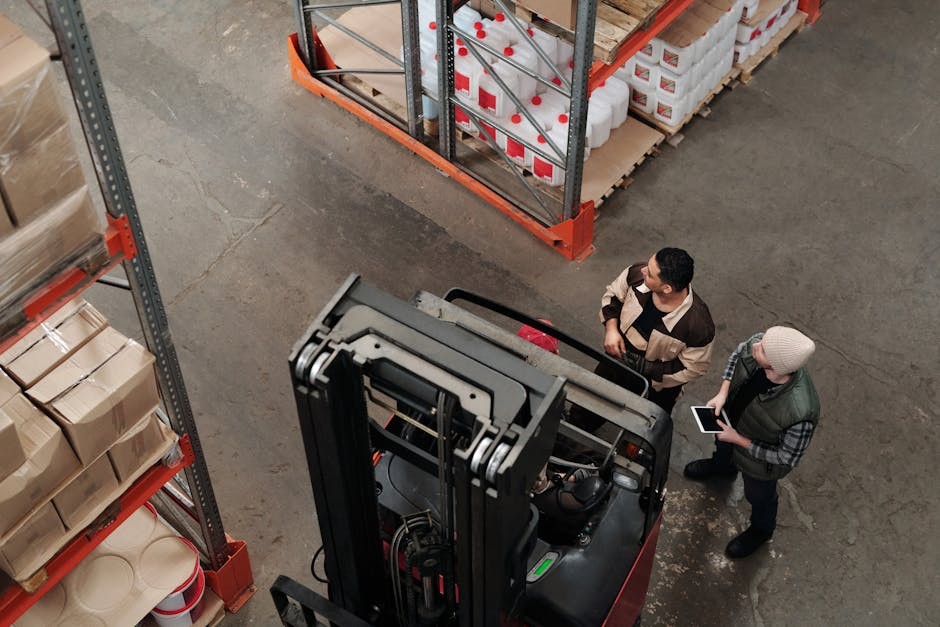
“One of the biggest shifts has been the move to cross-functional squad teams, where supply chain, procurement, R&D and operations come together much earlier to define the outcomes that matter as we invest in these new innovations,” Brown said.
As a result, sustainability and commercial performance discussions now occur simultaneously rather than independently.
“Conversations about sustainability and commercial value are happening together from the start,” Brown said, “which makes these solutions far more practical, scalable and relevant to core operations.”
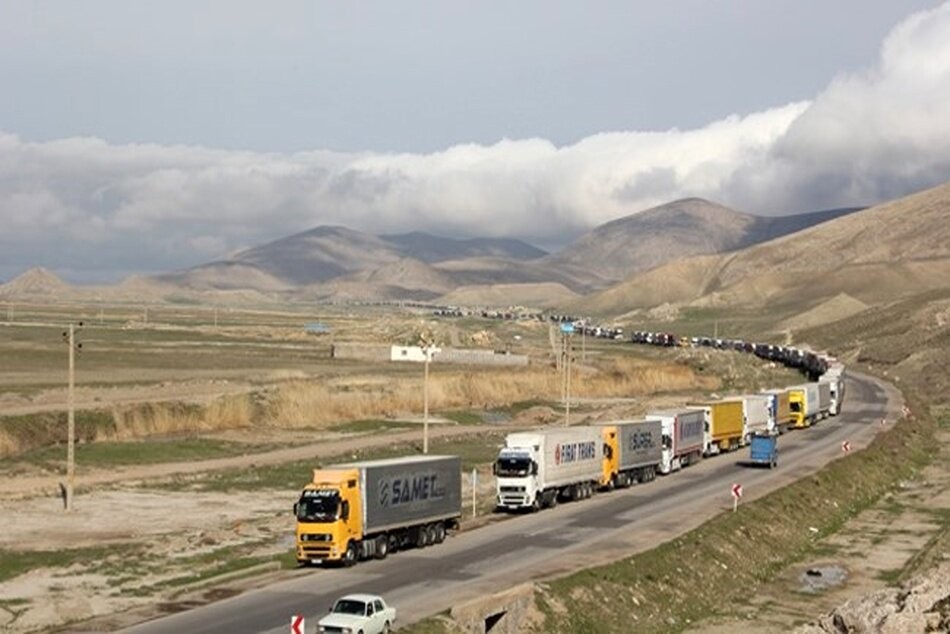
Transportation has become one of the clearest examples of that operational convergence. For global food and beverage companies, Scope 3 emissions—those generated throughout the broader value chain—remain among the most difficult sustainability challenges to address. Logistics and transportation networks represent one of the few areas where companies can directly influence both cost and emissions performance simultaneously.
“Transportation optimization and sustainability need to be part of the same conversation,” Brown said. “Transportation optimization is not just about efficiency, service levels or cost; it is also a key part of how organizations make progress on sustainability goals.”
Brown added that companies often miss opportunities when transportation efficiency and sustainability initiatives operate independently.
“When transportation is managed as part of a broader operational workstream, companies are better able to design solutions that improve network performance while also reducing emissions,” she said.
The company’s broader goal is focused on building a repeatable operational model for scaling external innovation into enterprise supply chains. According to Brown, one of the most important lessons from PepsiCo’s first 22 startup pilots was that technical innovation alone rarely guarantees operational success.
“The 22 pilots gave us a much clearer view of what it really takes to move from experimentation to scale,” she said. “They showed that strong ideas on their own are not enough; solutions need cross-functional buy-in, operational feasibility and a clear connection to the biggest sustainability challenges facing food and beverage players.
“Ultimately, the success of this program is measured by the impact that these technologies can have on business [to] help to deliver sustainability ambitions, productivity and efficiency, and process improvements,” she added.
Source: www.scmr.com
Compiled from international media by the SCI.AI editorial team.