

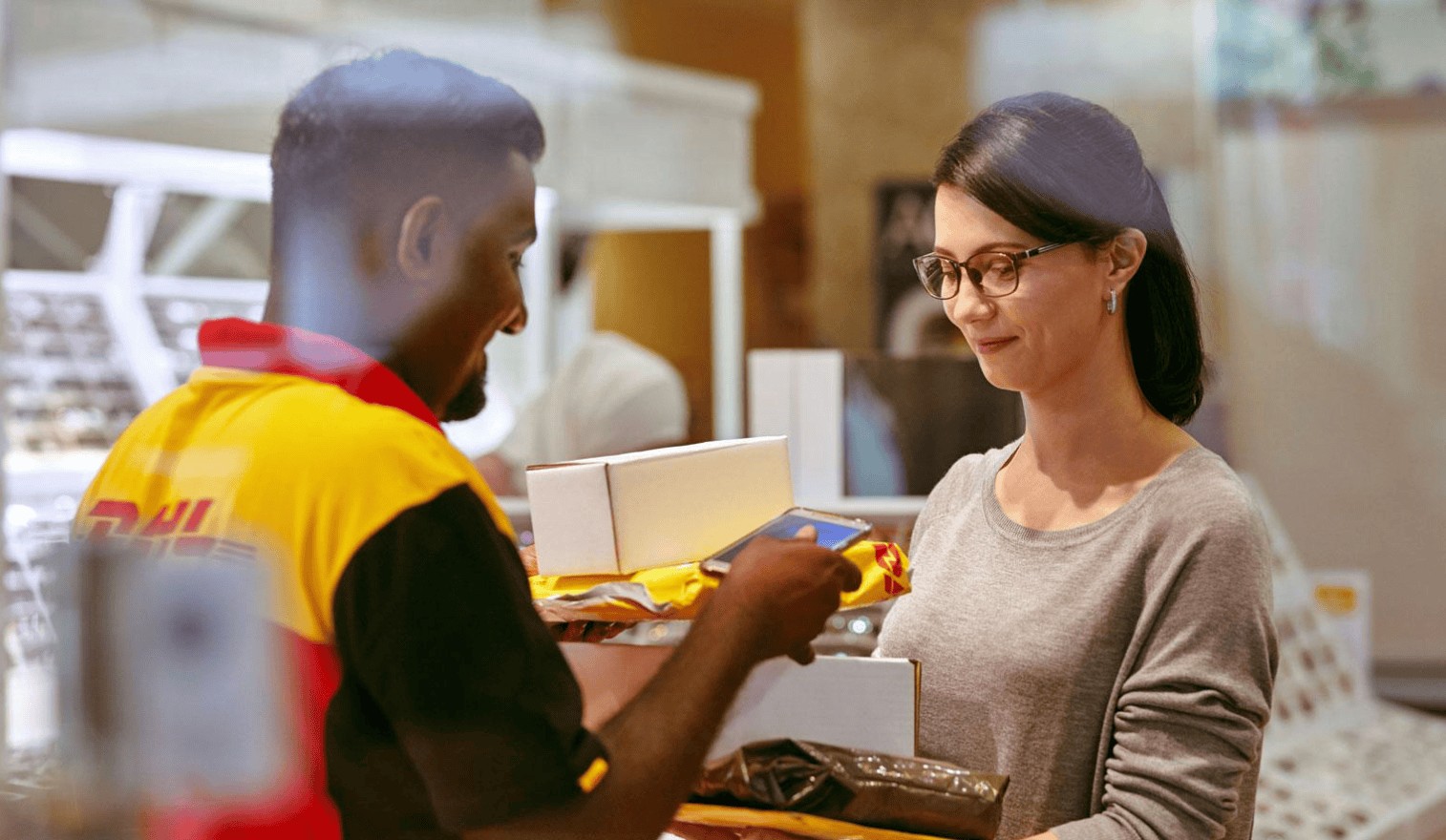
USPS and DHL eCommerce expanded their U.S. last-mile delivery partnership on May 28, 2026, under a deal valued at more than $10 billion over its term. The agreement makes USPS DHL’s exclusive final-mile provider for domestic parcels, leveraging USPS’s reach to 170+ million addresses and 33,000+ retail locations. DHL will continue operating 19 automated U.S. hubs and inject parcels into USPS facilities near destinations. USPS’s largest last-mile commercial partnerships—including with Amazon, FedEx, and DHL—generate over $8 billion annually. The Postal Service has increased parcel capacity by roughly 40% since 2022 and aims to double DHL’s volume by 2030.
According to www.inboundlogistics.com, the U.S. Postal Service (USPS) and DHL eCommerce announced a long-term expansion of their domestic parcel delivery partnership on May 28, 2026, formalizing a deal valued at more than $10 billion over its term.
Strategic Rationale for Both Sides
For USPS, the agreement secures stable parcel volume growth amid ongoing structural declines in traditional mail. Postmaster General and CEO David Steiner stated that USPS has expanded parcel capacity by roughly 40% over the past four years and is building capabilities across first-mile, middle-mile, and last-mile operations. The Postal Service delivers to more than 170 million addresses six days a week and operates more than 33,000 retail locations nationwide.
For DHL eCommerce, the partnership avoids the capital-intensive effort of building a nationwide residential delivery operation from scratch. As DHL eCommerce Americas CEO Scott Ashbaugh explained during the media briefing:
“A company our size literally has every option at its disposal for last mile. We could build it ourselves, we could buy someone who does it, or partner with a leader.”
Operational Model and Network Integration
DHL eCommerce will continue handling pickup, sortation, and linehaul transportation across its U.S. network of 19 automated hubs. Parcels are scanned, dimensioned, weighed, and digitally routed before moving via air and ground linehaul. They are then injected into USPS processing facilities near destination markets — primarily through Local Processing Centers, with additional induction planned into Sorting and Delivery Centers as USPS expands that network.
This model reflects growing industry specialization: DHL concentrates investment in automation and deep network injection, while relying on USPS’s existing carrier infrastructure for doorstep delivery. Ashbaugh noted DHL’s service levels are positioned between Priority Mail and Ground Advantage on both speed and cost. The company plans to double its business by 2030, making long-term certainty around last-mile execution critical to its expansion strategy.
USPS’s Evolving Commercial Role
Steiner described USPS’s network strategy as supporting multiple customer models: full end-to-end parcel services, middle-mile transportation, and standalone final-mile delivery. He confirmed that USPS’s largest last-mile commercial relationships — including those with Amazon, FedEx, and DHL — currently generate more than $8 billion in annual revenue.
The arrangement underscores a broader shift in the domestic parcel market: carriers are increasingly separating upstream network control from the economics of residential delivery density. Industry analysts now view USPS less as a direct parcel competitor and more as foundational infrastructure embedded inside the U.S. e-commerce delivery ecosystem. Steiner emphasized this vision during the briefing:
“This agreement reflects exactly the kind of future I believe we should be building — one rooted in trust, long-term relationships, and the smart use of the Postal Service’s unmatched strengths.”
Source: www.inboundlogistics.com
Compiled from international media by the SCI.AI editorial team.


