

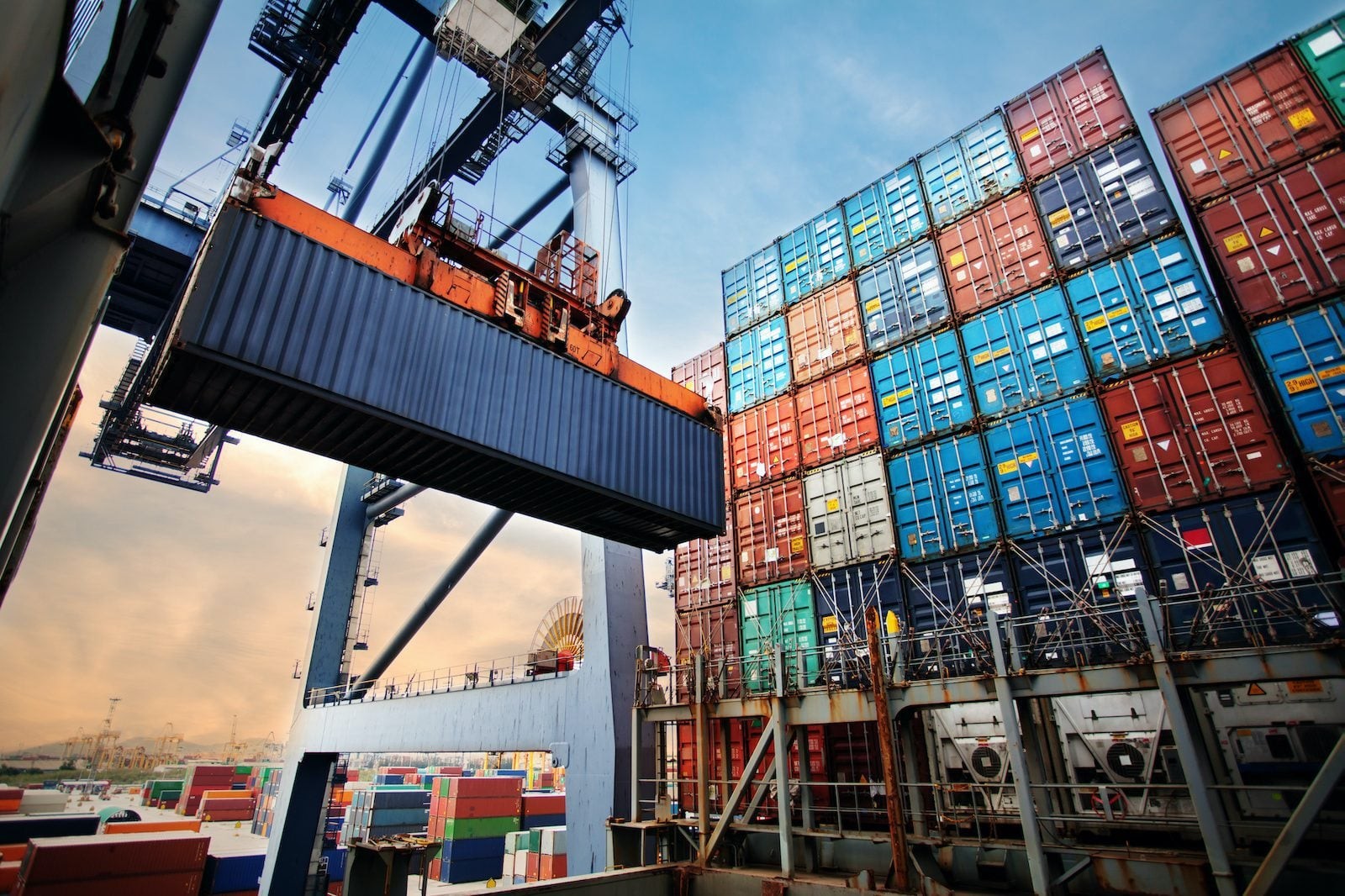
Chile has approved the environmental permit for the $4.45 billion 'Puerto Exterior' expansion at the Port of San Antonio — one of the nation's largest infrastructure projects. Led by Empresa Portuaria San Antonio (EPSA), the Outer Port will feature a 4-km breakwater, two 1,730-meter semi-automated container terminals, and phased development culminating in 6 million TEU annual capacity by the late 2030s. EPSA contributes $1.95 billion; $2.5 billion is slated for private terminal operators via future concessions. The six-year environmental review included Indigenous consultation and citizen participation. Completion will enable handling of eight 400-meter containerships simultaneously and safeguard regional supply chain competitiveness.
Chile has cleared the way for one of the largest infrastructure projects in its history after regional authorities unanimously approved the environmental permit for the massive “Puerto Exterior” expansion at the Port of San Antonio.
Major Milestone for $4.45 Billion Mega-Port Project
The approval by the Valparaiso Region’s Environmental Assessment Commission marks a major milestone for the $4.45 billion project, which aims to transform Empresa Portuaria San Antonio’s San Antonio complex into a next-generation mega port capable of handling the world’s largest containerships.
National Strategy and Implementation
The project, defined by the Chilean state and implemented by EPSA, is designed to dramatically expand cargo capacity in the country’s central macrozone beginning in the second half of the next decade.
“This initiative will allow the country to endow the port infrastructure that Chile requires to maintain the competitiveness of foreign trade,” EPSA said in a statement following the approval.
Infrastructure Scope and Phased Development
The “Outer Port” project will feature a roughly 4-kilometer breakwater, extensive dredging works, reclaimed terminal areas, and two semi-automated container terminals stretching 1,730 meters each. The facilities will be developed in four phases tied to projected cargo demand.
Once fully completed, Puerto Exterior is expected to handle up to 6 million TEU annually — equivalent to roughly 60 million tons of cargo per year — while simultaneously accommodating up to eight 400-meter-long containerships, among the largest ships currently operating globally.
The first phase, consisting of an 865-meter berth with annual capacity of 1.5 million TEU, is expected to enter service around 2036.
Public-Private Investment Structure
The project’s investment is backed by a major public-private partnership. EPSA will invest approximately $1.95 billion in maritime infrastructure, including the breakwater, dredging, support areas, road access, and environmental mitigation measures. The remaining $2.5 billion is expected to come from private terminal operators through future concession agreements covering terminal construction and operations.
Environmental Review and Mitigation
The environmental approval concludes a six-year review process that included multiple rounds of citizen participation, environmental addendums, and an Indigenous consultation process.
EPSA said the project is intended to help Chile avoid future port congestion, rising logistics costs, and loss of competitiveness in regional and global supply chains as vessel sizes continue to increase and trade volumes grow.
The port authority also emphasized environmental mitigation measures, including protections for the nearby Lagunas Ojos de Mar urban wetland ecosystem and plans for the Lagunas de Llolleo Park.
Next Steps
Construction contracts are expected to be awarded later this year as the project advances into its next development phase.
Source: gcaptain.com
Compiled from international media by the SCI.AI editorial team.


