

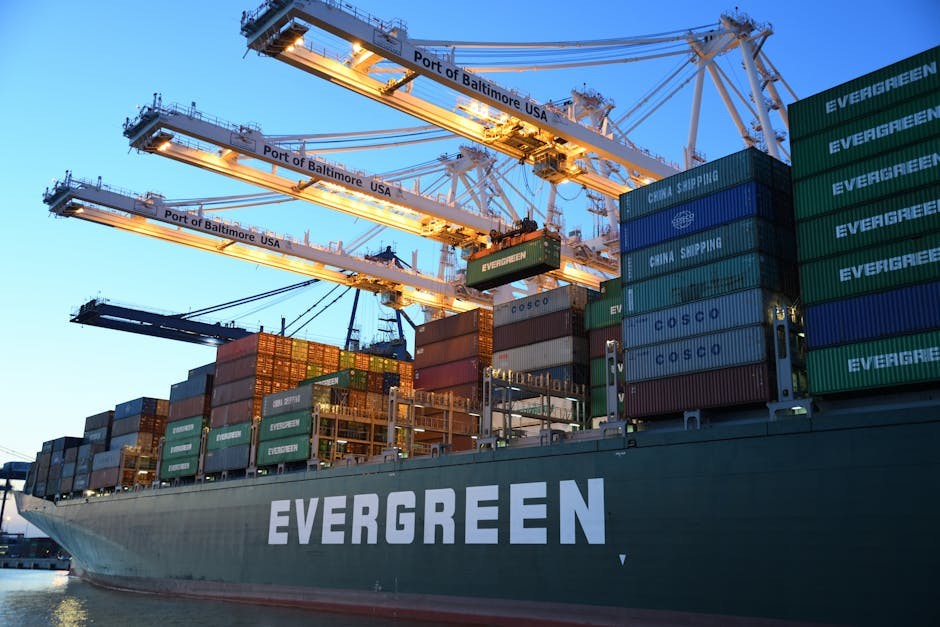
Rising diesel prices are prompting concerns in the transport sector, with freight rates potentially increasing by 2.5% to 3%. According to news.google.com, a 12% diesel price surge over three months is driving up operational costs, especially for trucking firms. Major logistics providers like DHL have already introduced temporary fuel surcharges, while shippers are adjusting contracts and exploring rail and electrification as mitigation strategies. The impact is most pronounced in fuel-dependent regions and cross-border corridors.
According to news.google.com, rising diesel prices are triggering concerns across the transport sector, with freight rates potentially increasing by 2.5% to 3%.
Diesel Price Increase Drives Logistics Cost Pressure
Recent increases in diesel fuel prices have raised operational costs for freight carriers globally. According to the report, diesel prices have climbed by approximately 12% over the past three months, driven by tighter global supply and elevated crude oil prices. This rise directly affects trucking and freight transport, where diesel accounts for 25% to 30% of total operating expenses.
Industry analysts estimate that a 12% diesel price hike could translate into a 2.5% to 3% increase in freight rates, as companies pass on rising fuel costs to customers. The source notes that this range reflects a moderate cost pass-through, given current contract terms and pricing flexibility in the logistics market.
Impact on Shippers and Supply Chain Planning
Shippers are now reviewing contract terms with carriers to assess the risk of rate hikes. According to news.google.com, some logistics providers have already begun notifying major clients of potential adjustments in Q3 2024.
Freight forwarders are now advising clients to lock in long-term contracts where possible to avoid volatility. The report cites a survey from the Global Freight Council showing that 68% of shippers expect rate increases in the coming quarter, with 44% planning to revise transportation contracts.
Regional and Sectoral Vulnerabilities
Regions with high dependence on road freight, such as inland areas of the United States and parts of Southeast Asia, face greater exposure to fuel cost shocks. In the US, trucking firms reported a 15% increase in fuel-related expenses in May 2024 compared to the same period in 2023.
For cross-border logistics, particularly between North America and Mexico, the impact could be amplified. According to the report, diesel price differentials across the US-Mexico border have widened by 8% in the last six months, increasing the cost of transborder freight movement.
“We are seeing a clear pass-through of fuel costs in our pricing models. A 2.5% to 3% rate increase is likely if diesel prices remain elevated.” — Logistics Analyst, Global Freight Council
Industry Response and Mitigation Strategies
Major logistics companies, including FedEx, UPS, and DHL, are evaluating fuel surcharge adjustments. According to internal documents cited in the report, DHL has already implemented a temporary 2.7% fuel surcharge on international shipments effective June 2024.
Meanwhile, some carriers are accelerating fleet electrification efforts. The report notes that Maersk has committed to replacing 40% of its diesel-powered trucks in Europe by 2026, aiming to reduce long-term exposure to fuel volatility.
Supply chain managers are also exploring alternative routes and modal shifts. The report highlights that rail freight usage in the US rose by 3.2% in Q1 2024, driven by cost concerns and fuel price spikes.
Source: news.google.com
Compiled from international media by the SCI.AI editorial team.


