DP World launched a war risk cargo insurance product on May 8, 2026, covering ocean, air, port storage (up to 14 days), and inland delivery across Middle East trade lanes. Coverage reaches $400 million per shipment and $1 million for inland transport, with zero deductible on valid claims. The policy fills critical gaps left by traditional cargo insurance, which often excludes war risk or ends at port discharge. It applies to the Arabian Gulf, Red Sea, and inland corridors. Industry context includes Maersk’s Berbera booking halt and AD Ports’ 70,000 TEU throughput in Fujairah in Q1 2026.
According to www.logisticsmiddleeast.com, DP World has launched a dedicated cargo war risk insurance product covering trade routes across the Middle East, effective May 8, 2026.
End-to-End War Risk Coverage
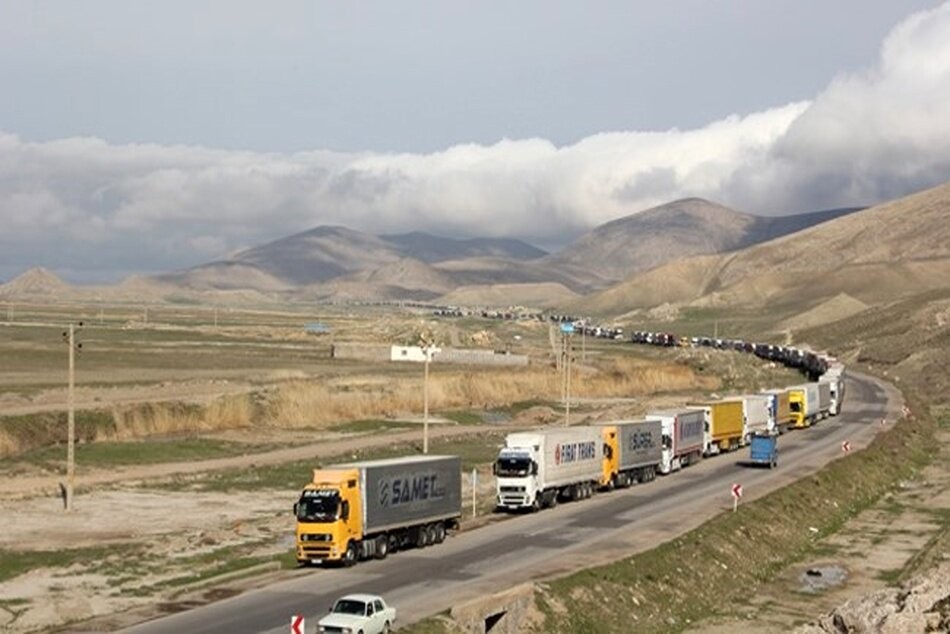
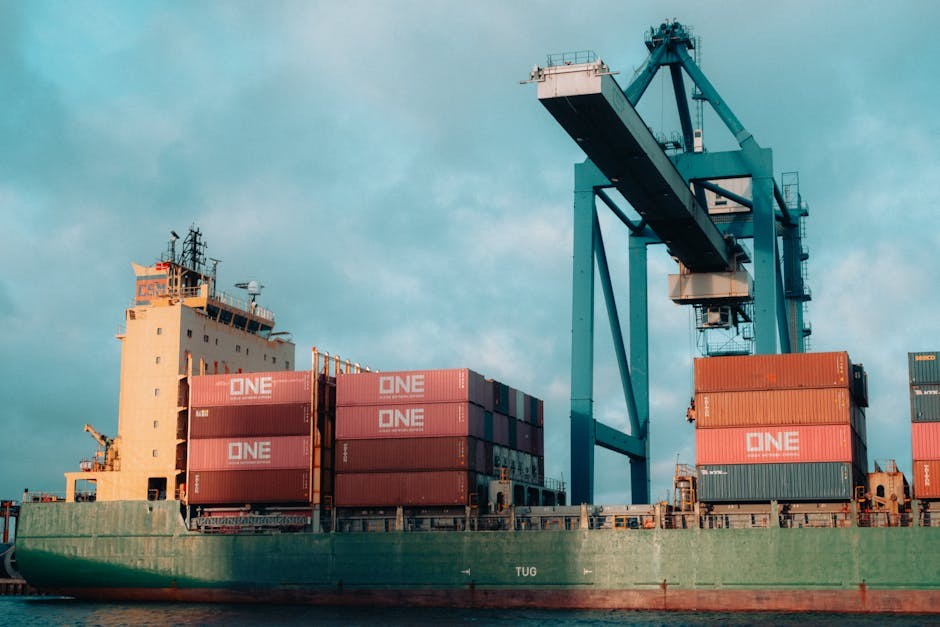
The policy provides continuous protection across ocean transit, air freight, port storage, and inland delivery—covering the full cargo journey from entry into a war risk zone to final delivery. Unlike traditional cargo insurance, which often excludes war risk or applies it only to marine transit with coverage terminating upon discharge at port, DP World’s solution eliminates gaps during storage and land transport. Automatic port storage cover is included for up to 14 days. Coverage limits reach $400 million per shipment, while inland transport movements can be insured for up to $1 million.
Coverage Scope and Claim Terms
The insurance covers physical loss or damage resulting from armed conflict, civil unrest, seizure, and derelict weapons. Valid claims are settled with zero deductible, according to the report. The policy is available across key corridors including the Arabian Gulf, the Red Sea, and surrounding inland routes. Customers may select standalone coverage for ocean, air, or land transit—or opt for full end-to-end protection.
Strategic Rationale and Market Gap
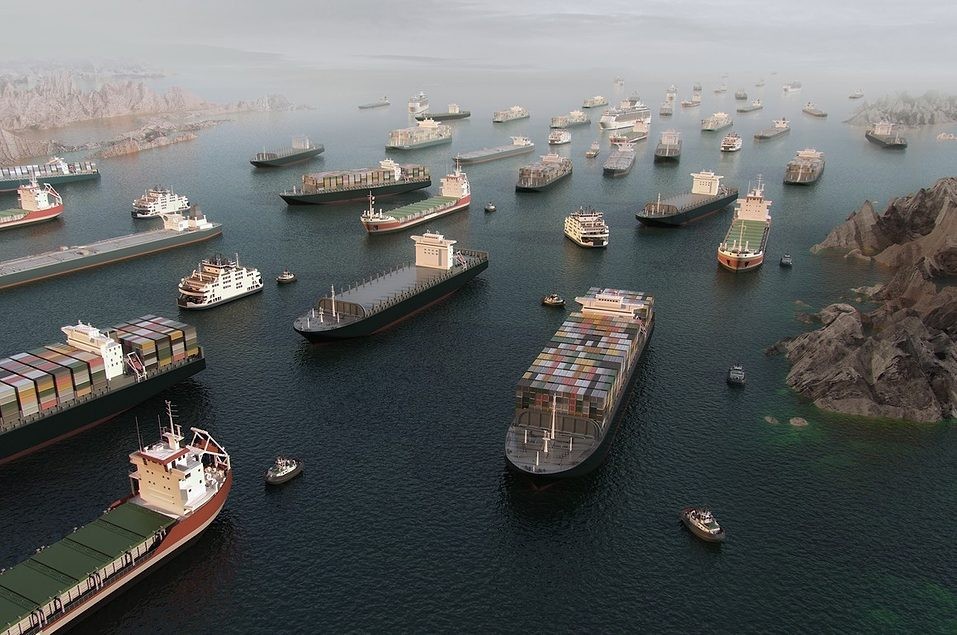
DP World states that traditional cargo insurance frequently excludes war risk or prices it as a separate add-on at significantly higher premiums. This leaves cargo exposed during critical handoff phases—especially in volatile regions where port congestion, storage delays, and insecure overland movement are common. The new offering directly addresses documented vulnerabilities in regional supply chains, particularly following increased disruptions in the Red Sea since late 2023 and ongoing instability across multiple Middle Eastern jurisdictions.
Industry Context and Precedents
Other major logistics providers have responded to heightened geopolitical risk with targeted solutions: Maersk halted bookings via Berbera in April 2026 amid tightening Horn of Africa routes; AD Ports Group processed 70,000 TEUs via Fujairah terminals in Q1 2026, reflecting rerouting demand; and MSC launched a Saudi land bridge route linking Europe with Gulf markets in early 2026. These moves collectively signal a structural shift toward integrated risk mitigation—including insurance—as a core logistics service. According to public filings, global war risk insurance premiums rose 62% year-on-year in Q1 2026, driven by Red Sea and Gulf incidents.
Practitioner Implications
For supply chain professionals managing Middle East trade, the policy reduces administrative overhead by consolidating previously fragmented coverage layers. It enables real-time risk budgeting: for example, shippers moving high-value electronics from Jebel Ali to Riyadh can now secure $1 million inland coverage without negotiating separate motor truck cargo policies. The $400 million per shipment limit also supports large-project cargo—such as power plant components or defense equipment—commonly routed through UAE ports. As noted by Yuvraj Narayan, Group CEO of DP World:
“This is about solving a real, immediate problem for global trade. Supply chains don’t stop at the port or the shoreline, and neither should insurance. For the first time, cargo owners can access a single policy that protects goods across the entire journey, even in high-risk environments, helping keep trade moving when it matters most.” — Yuvraj Narayan, Group CEO of DP World
Source: www.logisticsmiddleeast.com
Compiled from international media by the SCI.AI editorial team.