Skip to content

Africa Supply Chain

Amazon Supply Chain Services Launches with 3M, P&G — www.supplychaindive.com

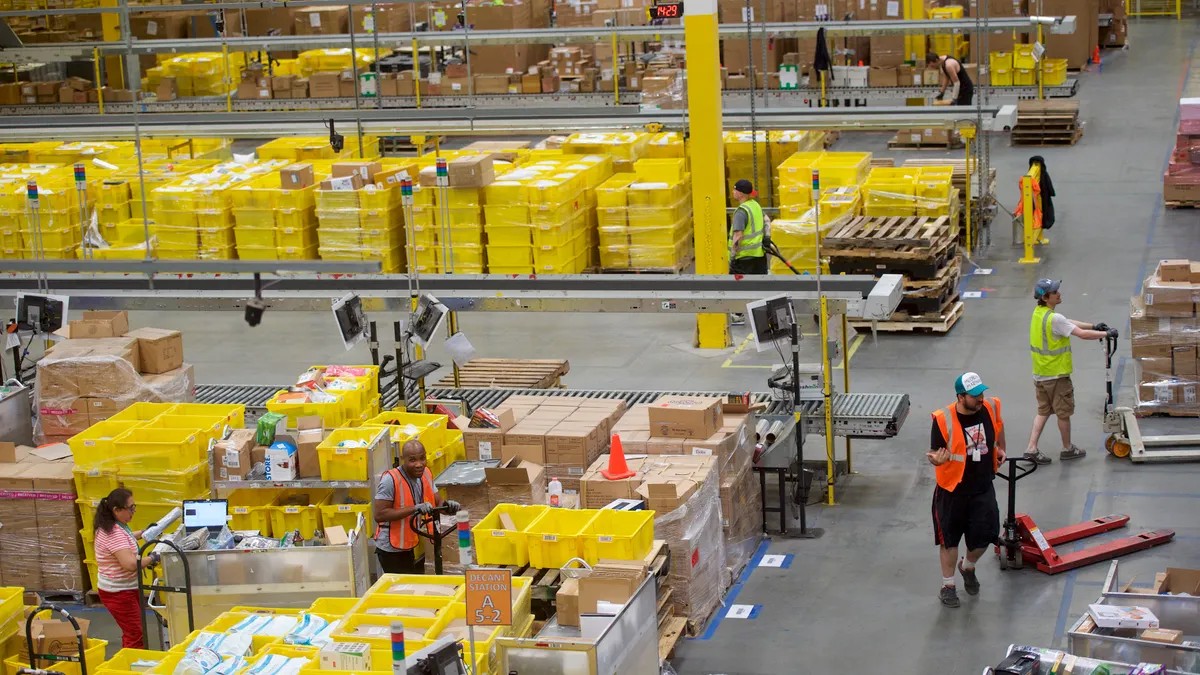
Amazon launched Amazon Supply Chain Services on May 7, 2026, offering freight, parcel, and fulfillment services to external clients including 3M, Procter & Gamble, and American Eagle Outfitters. The service leverages Amazon’s U.S. network of 175+ fulfillment centers, 30,000+ trailers, and 90-aircraft Amazon Air fleet. While third-party revenue remains below $5 billion — dwarfed by UPS’s $102.4B and FedEx’s $98.7B in 2025 — its integrated data and capacity model poses competitive pressure. Experts caution that internal retail demand retains priority during peak seasons, affecting third-party reliability.

Original source: supplychaindive.com

Amazon Supply Chain Services Launches with 3M, P&G — www.supplychaindive.com

According to www.supplychaindive.com, Amazon launched Amazon Supply Chain Services on Monday, May 7, 2026, opening its transportation, distribution, and fulfillment infrastructure to third-party businesses beyond its own retail operations.

Initial Client Base Includes Major CPG and Retail Brands

The service is already in use by 3M, Procter & Gamble, and American Eagle Outfitters, according to the report. These companies are leveraging Amazon’s U.S.-based logistics assets for freight transportation, parcel shipping, and distribution and fulfillment services. The launch marks a formal expansion of Amazon’s long-standing internal logistics capabilities into a commercial offering — one that draws on infrastructure built over more than two decades.

Scale and Infrastructure Backing the Service

Amazon’s network includes over 175 fulfillment centers across the United States as of early 2026, per publicly reported figures cited by industry analysts tracking the company’s physical footprint. Its transportation arm operates more than 30,000 trailers and contracts with over 10,000 motor carriers, enabling multi-modal freight movement. The company also manages a fleet of over 1,500 Amazon-branded delivery vans and maintains dedicated air cargo capacity via Amazon Air, which operated 90 aircraft in its fleet as of Q1 2026.

Industry Positioning and Competitive Context

While Amazon’s entry into third-party logistics does not immediately displace established players, it introduces structural pressure. According to the source, UPS generated $102.4 billion in revenue in 2025, and FedEx reported $98.7 billion in the same period — both significantly larger than Amazon Logistics’ estimated third-party revenue of under $5 billion in 2025. However, Amazon’s integrated model — combining e-commerce demand signals, warehouse automation, and real-time capacity allocation — creates a distinct operational advantage for shippers prioritizing speed and data integration.

Practitioner Perspective: Capacity Allocation Concerns

Supply chain professionals face immediate questions about priority access. As noted by experts quoted in the article, Amazon’s internal retail business still receives first claim on capacity during peak seasons such as Q4 holidays. This means third-party clients may experience variable lead times or limited booking windows during high-demand periods. One logistics executive told Supply Chain Dive:

“The biggest question isn’t whether Amazon can move freight — it’s whether they’ll move *your* freight when you need it most.” — Anonymous supply chain director, Fortune 500 retailer

Broader Industry Context

Amazon’s move follows similar expansions by other tech-adjacent logistics entrants: Walmart launched Walmart Fulfillment Services in 2021 and reached $2.1 billion in third-party fulfillment revenue in fiscal 2025. JD Logistics reported RMB 121.4 billion (≈$16.9 billion) in external revenue in 2025, while Cainiao — Alibaba’s logistics arm — processed 1.1 billion cross-border parcels globally in the same year. Unlike these peers, Amazon Supply Chain Services currently operates exclusively within the U.S. domestic market, with no announced international expansion timeline.

Source: Supply Chain Dive

Compiled from international media by the SCI.AI editorial team.
Ask SCI.AI Finished reading? Continue with SCI.AI. Explore the related policy, route, company and historical context. Continue asking
Maersk, Hapag-Lloyd resume Red Sea route amid capacity relief
Africa Supply Chain

Maersk, Hapag-Lloyd resume Red Sea route amid capacity relief

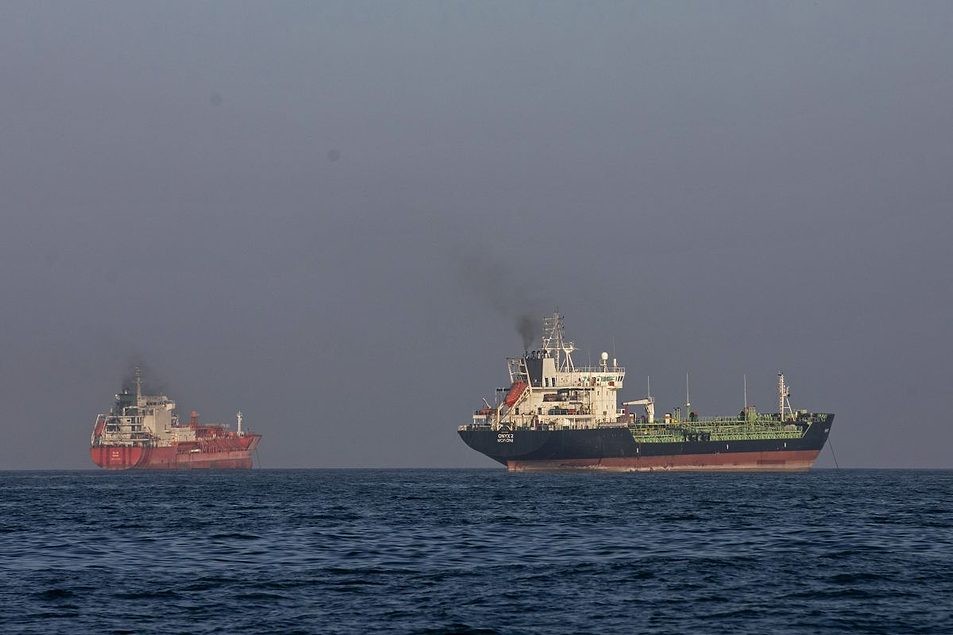
A.P. Moller-Maersk and Hapag-Lloyd announced on July 6, 2026, they are resuming Red Sea and Suez Canal transit for select Asia–Europe services — the first major carrier alliance to do so since late 2023. The move follows security reassessments and aims to alleviate vessel capacity constraints that drove spot rates up 37% in recent weeks. Maersk shares fell 9%, Hapag-Lloyd dropped 4.6%, reflecting market expectations of rate normalization. The Majestic Maersk, currently near Oman, will be the first redirected vessel. The Cape of Good Hope detour added ~14–18 days and $250,000–$350,000 in fuel costs per round trip.

DP World pledges $4B Africa expansion amid 75% fuel cost surge
Africa Supply Chain

DP World pledges $4B Africa expansion amid 75% fuel cost surge

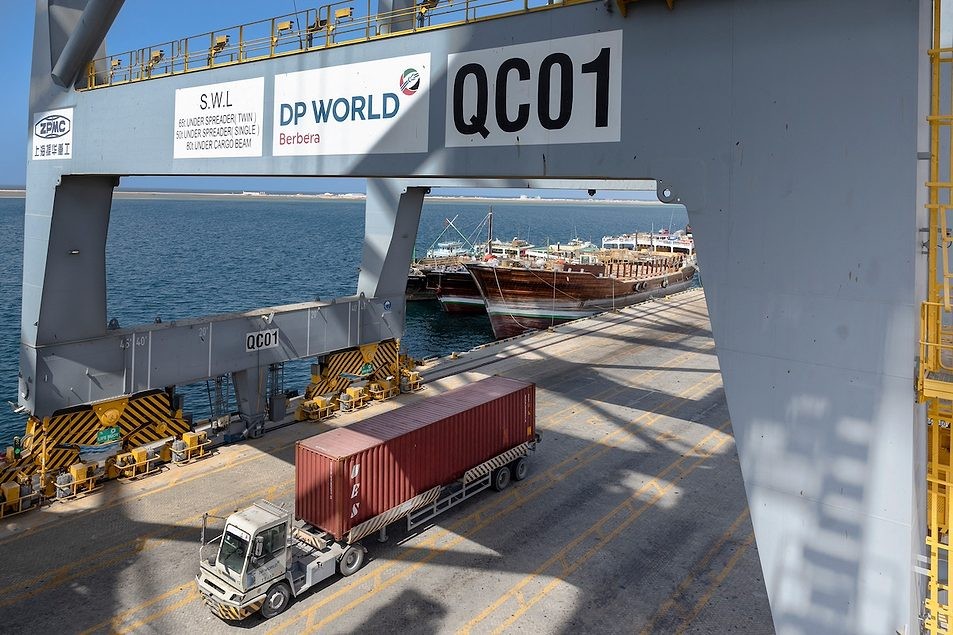
DP World reaffirms its $4 billion investment pledge in African port and logistics infrastructure despite a 75% fuel price surge in South Africa and disruptions caused by the Strait of Hormuz closure. CEO Mohammed Akoojee confirmed ongoing projects including Maputo Port expansion and the DRC’s first deep-water port, due in Q1 next year. The company operates 7,000+ trucks across Africa and is shifting toward integrated logistics ecosystems linking Tanzania, Rwanda, Zambia, and Congo.

Global Hunger Falls to 645M in 2025 Amid Conflict Risks
Africa Supply Chain

Global Hunger Falls to 645M in 2025 Amid Conflict Risks

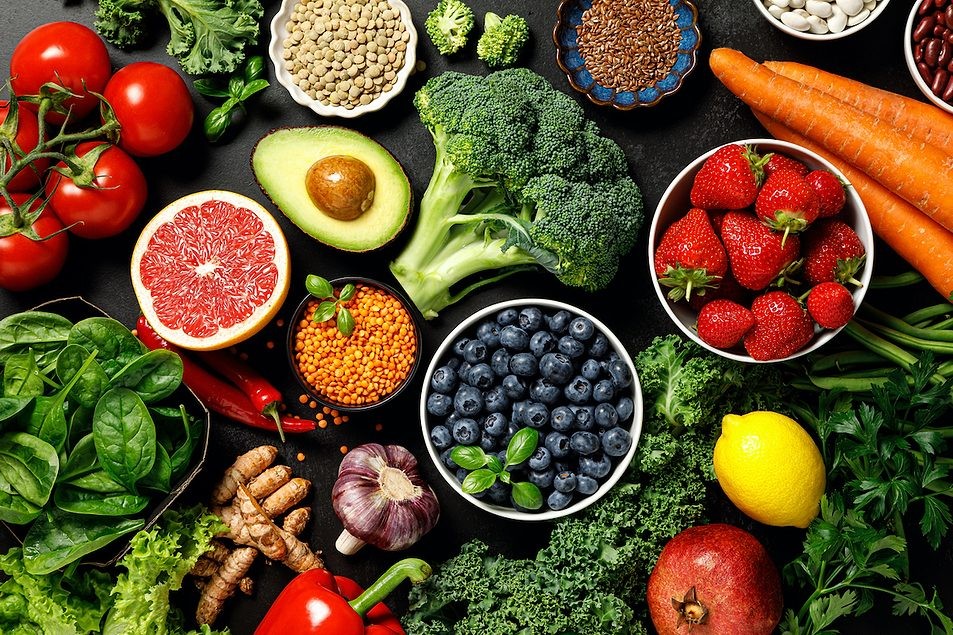
Global hunger fell to 645 million people (7.8% of the world population) in 2025, marking the third straight annual decline since pandemic-driven spikes. Yet conflicts — especially in the Middle East — and climate shocks threaten reversal, with the UN World Food Programme warning that 45 million more could face acute food insecurity if the Iran war continues and oil exceeds $100/barrel. Africa remains the epicenter: one in five people there were undernourished in 2025, and the UN projects 56% of the world’s hungry will live there by 2030. Supply chain professionals must now integrate humanitarian risk data into logistics planning, particularly across Red Sea and Suez Canal corridors.

Welcome Back!

Login to your account below

Create New Account!

Fill the forms below to register

Retrieve your password

Please enter your username or email address to reset your password.

Scan to share via WeChat

Open WeChat and scan the QR code to share

QR Code

Add New Playlist