Skip to content

Africa Supply Chain

Africa Logistics Sector Sees $15M Warehouse Investment, East Africa’s First Industrial REIT Launches in March

According to www.cnbcafrica.com, a $15 million investment in African warehouse infrastructure has been approved for deployment via East Africa’s first industrial REIT, set to list on the Nairobi Securities Exchange in March 2026. Logistics costs in Kenya stand at 30% of GDP — far above the 10–12% typical in developed economies — underscoring urgent infrastructure needs. E-commerce, currently 2% of Kenya’s GDP, is driving demand for modern warehousing, with tenants reporting a 60% reduction in goods turnaround time. The AfCFTA’s projected 50% boost to intra-African trade hinges on parallel upgrades to logistics real estate and hard infrastructure.

Original source: cnbcafrica.com

Africa Logistics Sector Sees $15M Warehouse Investment, East Africa’s First Industrial REIT Launches in March
📋 本文要点

According to www.cnbcafrica.com, a $15 million investment in African warehouse infrastructure has been approved for deployment via East Africa’s first industrial REIT, set to list on the Nairobi Securities Exchange in March 2026. Logistics costs in Kenya stand at 30% of GDP — far above the 10–12% typical in developed economies — underscoring urgent infrastructure needs. E-commerce, currently 2% of Kenya’s GDP, is driving demand for modern warehousing, with tenants reporting a 60% reduction in goods turnaround time. The AfCFTA’s projected 50% boost to intra-African trade hinges on parallel upgrades to logistics real estate and hard infrastructure.

According to www.cnbcafrica.com, a private infrastructure development group has approved a $15 million investment in African warehouse development, to be deployed via an Industrial Real Estate Investment Trust (REIT) — East Africa’s first — set for listing on the Nairobi Securities Exchange in March 2026.

Industrial REIT Marks Capital Market Milestone

Raghav Gandhi, Chief Executive Officer of Africa Logistics Properties, confirmed the firm — an integrated real estate company focused on institutional-grade industrial real estate — secured approval to launch the REIT. The listing aims to broaden access for institutional investors and scale high-quality project development across East Africa.

“Real estate is inherently capital-intensive, and with our belief in the importance of high-quality industrial real estate, accessing capital through this REIT will facilitate substantial growth.” — Raghav Gandhi, Chief Executive Officer, Africa Logistics Properties

Logistics Costs and Infrastructure Gap

Current logistics costs in Kenya account for 30% of GDP, compared to 10–12% in developed economies — a gap the source states reflects widespread reliance on lower-grade warehousing facilities commonly referred to as ‘godowns’. According to the report, modern warehousing is no longer viewed solely as a cost center but as a strategic enabler of productivity, especially for manufacturing and distribution firms.

E-commerce and Operational Impact

Though e-commerce represents only 2% of Kenya’s GDP, its growth is accelerating due to rising internet penetration. However, the source states existing infrastructure lacks the quality needed to support rapid, efficient distribution. Tenants at Africa Logistics Properties’ facilities reported a 60% reduction in goods turnaround time after moving into modern, technologically-enabled warehouses — a direct improvement in operational efficiency and top-line performance.

AfCFTA and Cross-Border Readiness

The Africa Continental Free Trade Agreement (AfCFTA) is expected to boost intra-African trade by 50% in the medium term — but only if supported by upgraded logistics infrastructure. The source states the agreement demands enhanced connectivity and improvements in roads, utilities, and ports. Gandhi emphasized that for Kenya — positioned as a regional logistics hub — investment in both real estate and hard infrastructure is essential to fulfill its strategic role.

  • Logistics costs: 30% of Kenya’s GDP vs. 10–12% in developed economies
  • E-commerce share of Kenya’s GDP: 2%
  • Tenant-reported turnaround time improvement: 60%
  • AfCFTA projected intra-African trade increase: 50%

Source: www.cnbcafrica.com

Compiled from international media by the SCI.AI editorial team.
Ask SCI.AI Finished reading? Continue with SCI.AI. Explore the related policy, route, company and historical context. Continue asking
Maersk, Hapag-Lloyd resume Red Sea route amid capacity relief
Africa Supply Chain

Maersk, Hapag-Lloyd resume Red Sea route amid capacity relief

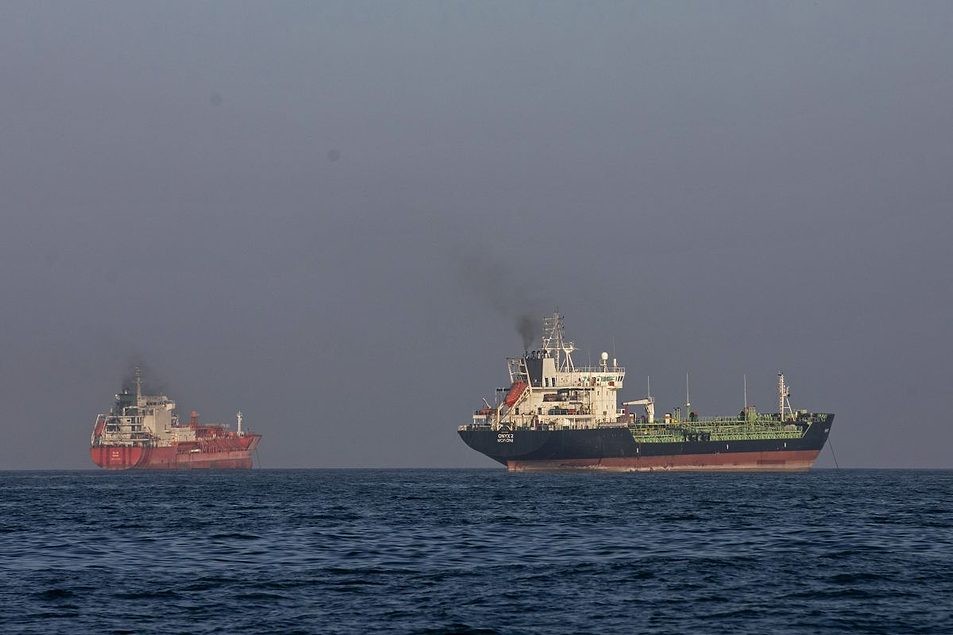
A.P. Moller-Maersk and Hapag-Lloyd announced on July 6, 2026, they are resuming Red Sea and Suez Canal transit for select Asia–Europe services — the first major carrier alliance to do so since late 2023. The move follows security reassessments and aims to alleviate vessel capacity constraints that drove spot rates up 37% in recent weeks. Maersk shares fell 9%, Hapag-Lloyd dropped 4.6%, reflecting market expectations of rate normalization. The Majestic Maersk, currently near Oman, will be the first redirected vessel. The Cape of Good Hope detour added ~14–18 days and $250,000–$350,000 in fuel costs per round trip.

DP World pledges $4B Africa expansion amid 75% fuel cost surge
Africa Supply Chain

DP World pledges $4B Africa expansion amid 75% fuel cost surge

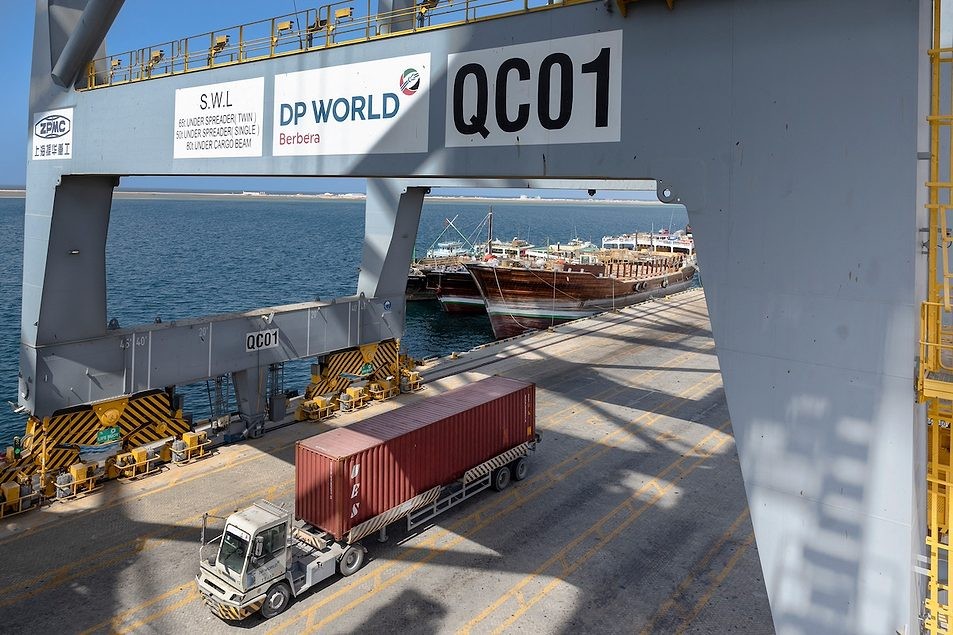
DP World reaffirms its $4 billion investment pledge in African port and logistics infrastructure despite a 75% fuel price surge in South Africa and disruptions caused by the Strait of Hormuz closure. CEO Mohammed Akoojee confirmed ongoing projects including Maputo Port expansion and the DRC’s first deep-water port, due in Q1 next year. The company operates 7,000+ trucks across Africa and is shifting toward integrated logistics ecosystems linking Tanzania, Rwanda, Zambia, and Congo.

Global Hunger Falls to 645M in 2025 Amid Conflict Risks
Africa Supply Chain

Global Hunger Falls to 645M in 2025 Amid Conflict Risks

Global hunger fell to 645 million people (7.8% of the world population) in 2025, marking the third straight annual decline since pandemic-driven spikes. Yet conflicts — especially in the Middle East — and climate shocks threaten reversal, with the UN World Food Programme warning that 45 million more could face acute food insecurity if the Iran war continues and oil exceeds $100/barrel. Africa remains the epicenter: one in five people there were undernourished in 2025, and the UN projects 56% of the world’s hungry will live there by 2030. Supply chain professionals must now integrate humanitarian risk data into logistics planning, particularly across Red Sea and Suez Canal corridors.

Welcome Back!

Login to your account below

Create New Account!

Fill the forms below to register

Retrieve your password

Please enter your username or email address to reset your password.

Scan to share via WeChat

Open WeChat and scan the QR code to share

QR Code

Add New Playlist