Skip to content

Coverage desk

Malaysia

16 published stories

MAHB, Mitsui Fudosan launch RM80M Subang air cargo logistics complex
Supply Chain

MAHB, Mitsui Fudosan launch RM80M Subang air cargo logistics complex

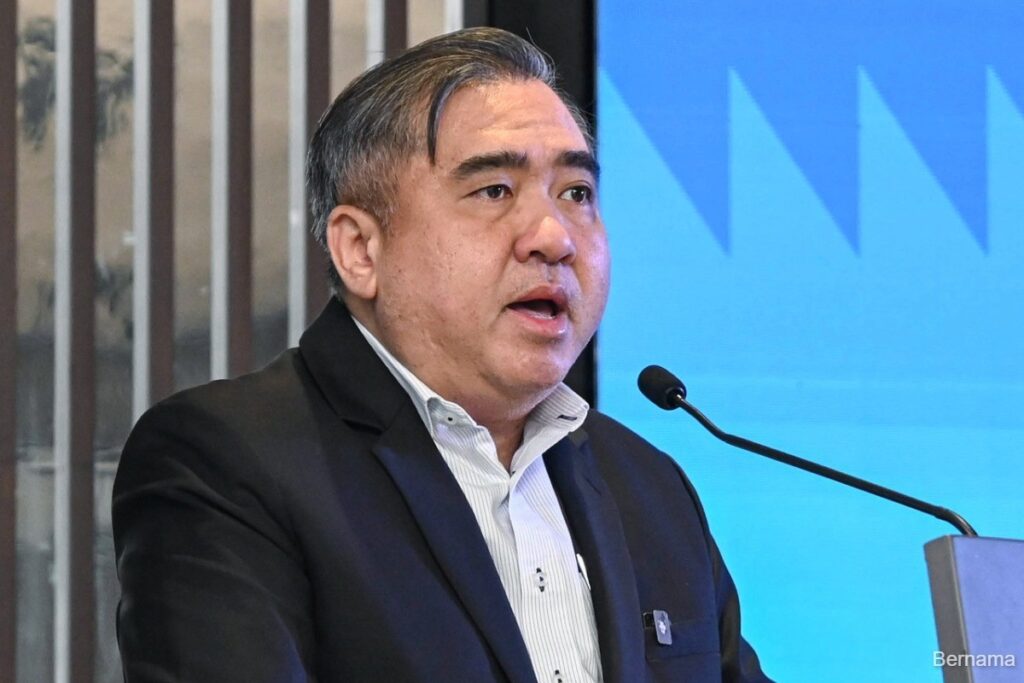
Malaysia Airports Holdings Bhd (MAHB) and Mitsui Fudosan Group are jointly investing RM80 million to develop an air cargo logistics complex in Subang Aerotech Park. MAHB holds a 30% stake; Mitsui Fudosan owns 70%. Built on 1.78 hectares, the facility will deliver 254,420 sq ft of gross floor area and is scheduled for completion in Q3 2027, with operations launching in Q4 2027. Transport Minister Anthony Loke highlighted Mitsui Fudosan’s experience at Tokyo’s Haneda Airport and noted Penang handles 75% of Malaysia’s air cargo due to its semiconductor industry.

JLand, DHL ink MOU for logistics hub in 7,290-acre IBTEC
Europe Supply Chain

JLand, DHL ink MOU for logistics hub in 7,290-acre IBTEC

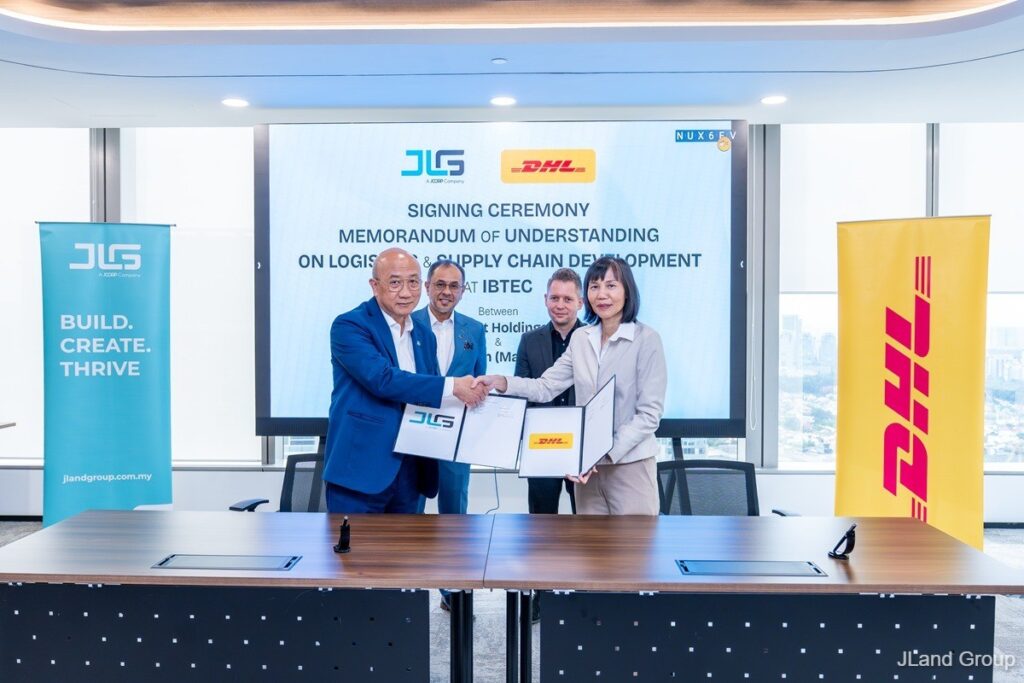
JLand Group and DHL Supply Chain Malaysia have signed an MOU to develop integrated logistics infrastructure at Ibrahim Technopolis (IBTEC), a 7,290-acre industrial and innovation hub in Johor, Malaysia. The partnership explores a Build-to-Lease logistics facility model to serve the region’s rapidly expanding data centre and advanced manufacturing sectors. DHL will contribute market intelligence and technical expertise, while JLand integrates insights into site strategy and customer engagement. Leadership cited IBTEC’s five-pillar design — innovation, infrastructure, talent, community, and logistics — as foundational to the next phase of development.

Malaysia Launches Humanitarian Procurement Matching Program
Procurement

Malaysia Launches Humanitarian Procurement Matching Program

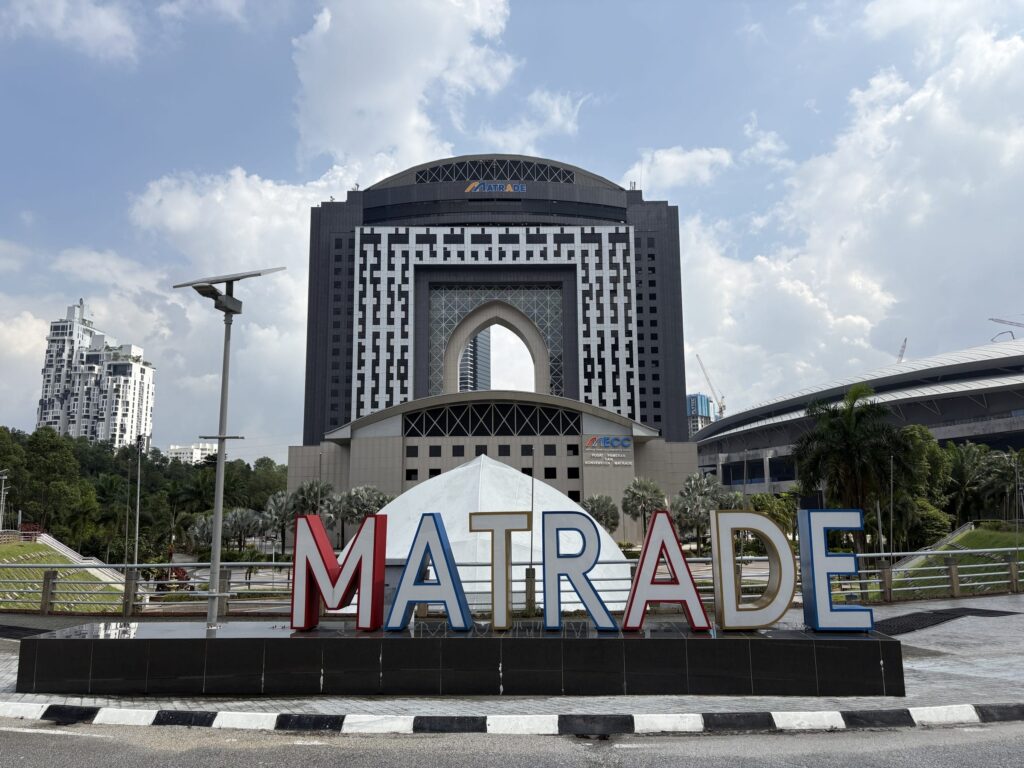
Malaysia has launched a government-backed initiative to integrate domestic companies into global humanitarian procurement supply chains. Spearheaded by MATRADE and co-implemented with UNHRD Kuala Lumpur and IFRC Asia Pacific, the 'Bridging Business and Humanity' program uses business matching to connect Malaysian firms with international aid organisations. Supported by MITI, MOFA, MINDEF, and MOF, the effort responds to growing demand for resilient, regionally distributed humanitarian logistics amid escalating climate- and conflict-related crises. Announced on July 6, 2026, it targets export growth in a $35 billion global market.

Nestlé Malaysia Boosts Local Sourcing Amid Trade Volatility — theedgemalaysia.com
Procurement

Nestlé Malaysia Boosts Local Sourcing Amid Trade Volatility — theedgemalaysia.com

Nestlé Malaysia is enhancing supply chain resilience through localized sourcing, contingency planning, and halal ecosystem collaboration with Jakim. CEO Juan Aranols cited a 27.1% Q1 2026 net profit rise and confirmed moderated—but still positive—export growth amid global trade volatility. The Sri Muda factory in Shah Alam now produces a new cold coffee line, reflecting local competitiveness. Initiatives like Halal@School and Synergy programme support SMEs and logistics partners under MS 1500:2019. Regional peers Unilever and Mondelez report 68% and 72% local sourcing rates, respectively.

TECO Group Opens RM46M Smart Plant in Penang
Southeast Asia Supply Chain

TECO Group Opens RM46M Smart Plant in Penang

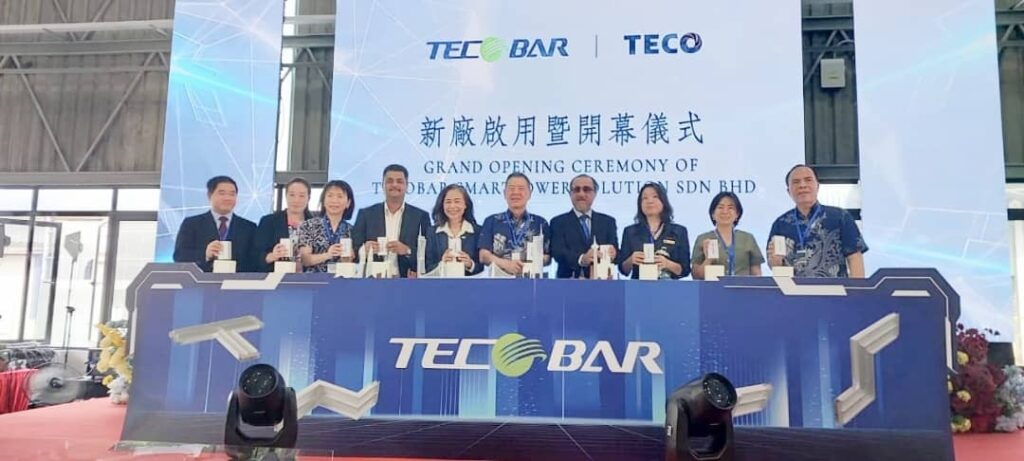
TECO Group has opened a RM46 million smart manufacturing plant in Penang, Malaysia, operated by subsidiary TECOBAR. The facility produces armored busways for AI data centres, semiconductors, and high-performance computing across ASEAN. According to MIDA, it supports Malaysia’s New Industrial Master Plan 2030 and strengthens regional supply chain resilience. Chairman Morris Li emphasized Penang’s role as a key electronics hub enabling local sourcing and servicing. The move reflects broader Taiwanese investment in Malaysia’s HGHV sectors.

Southeast Asia Drone Demand Surges at 2026 DSA Expo
Last Mile

Southeast Asia Drone Demand Surges at 2026 DSA Expo

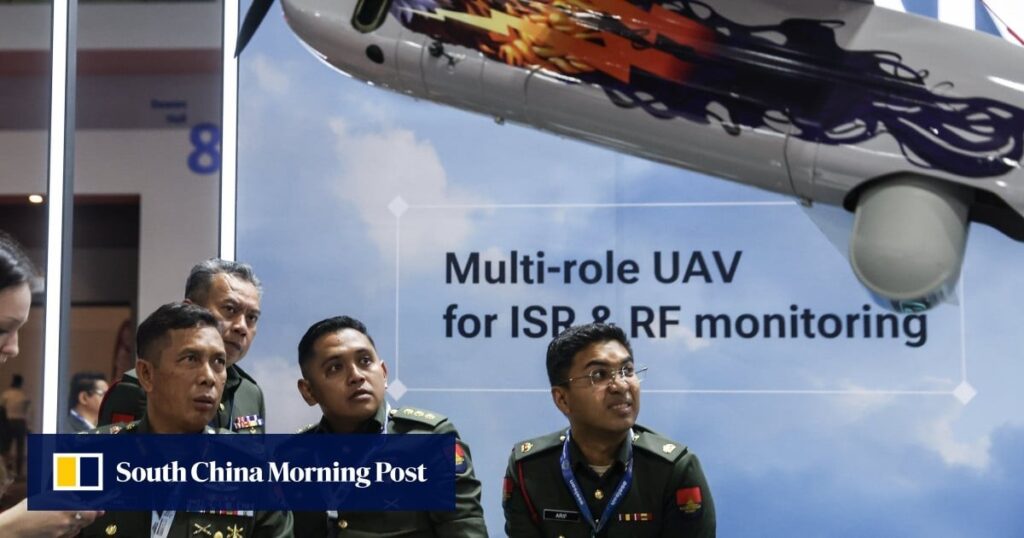
According to www.scmp.com, drone vendors from Abu Dhabi to Pretoria gathered at the 2026 Defence Services Asia (DSA) expo in Kuala Lumpur amid surging demand across Southeast Asia. Real-world use in Ukraine and Israel has accelerated defence ministry interest. Resource Industries’ Mohammed Ayesh stated there is 'very, very big demand' — so much that vendors are 'very busy.' The UAE firm displayed its '500H' helicopter drone. For supply chain professionals, implications include heightened complexity in sourcing dual-use components, managing export controls, ensuring battery and semiconductor logistics, and navigating geopolitical risk in UAV-related technology flows.

Volkswagen’s ASEAN Logistics Strategy: 3 Pillars for Supply Chain Resilience
Southeast Asia Supply Chain

Volkswagen’s ASEAN Logistics Strategy: 3 Pillars for Supply Chain Resilience

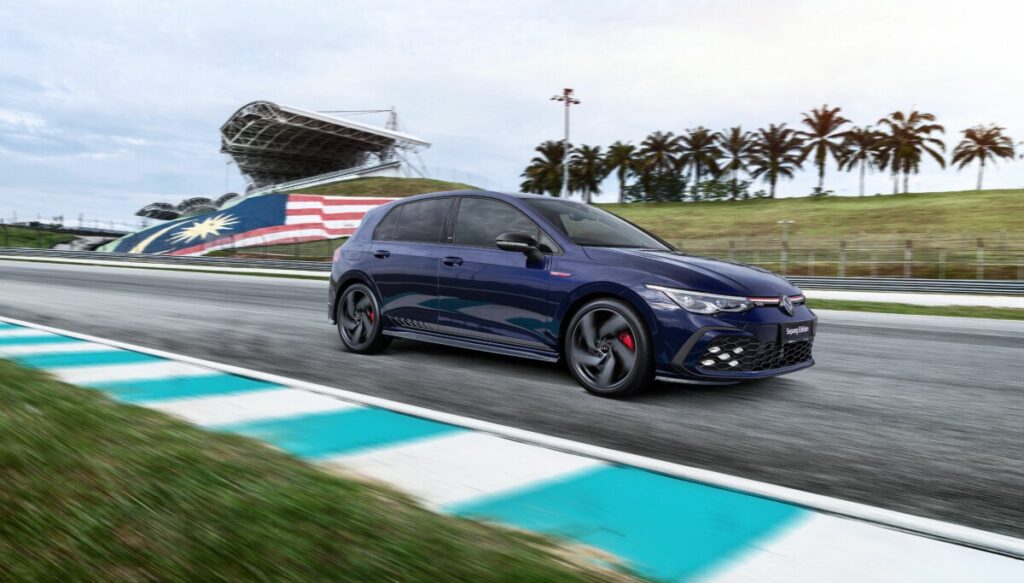
Volkswagen Group Malaysia is restructuring its ASEAN supply chain around localisation, regional sourcing, and export-led growth to counter fragmented regulations, high import duties, and Chinese competition. According to the report, ASEAN’s heterogeneous markets show stark contrasts: Malaysia has 768 vehicles per 1,000 inhabitants, while EV adoption ranges from 5.4% in Malaysia to 30% in Thailand. Customs inconsistencies — like non-standard part naming — cause shipment blocks, and one-year vehicle approval cycles hinder long-term planning. Susanne Lehmann urges ASEAN-wide regulatory harmonisation.

Logistics Tech Boom in SEA: $360B Market by 2034
AI & Automation

Logistics Tech Boom in SEA: $360B Market by 2034

Southeast Asia’s logistics market — valued at $223.6 billion in 2025 — is forecast to hit $360 billion by 2034, driven by e-commerce expansion, supply chain relocation to Vietnam, Thailand, Indonesia and Malaysia, government infrastructure investment, ecosystem fragmentation, and AI adoption. Platforms enabling supply chain visibility, cross-border coordination, and predictive analytics are becoming critical for shippers and operators navigating complex, multi-jurisdictional flows. The region’s fragmented logistics landscape presents both challenges and high-potential opportunities for scalable tech solutions.

Penang-Latin America Semiconductor Ties Deepen Amid Supply Chain Restructuring
Supply Chain

Penang-Latin America Semiconductor Ties Deepen Amid Supply Chain Restructuring

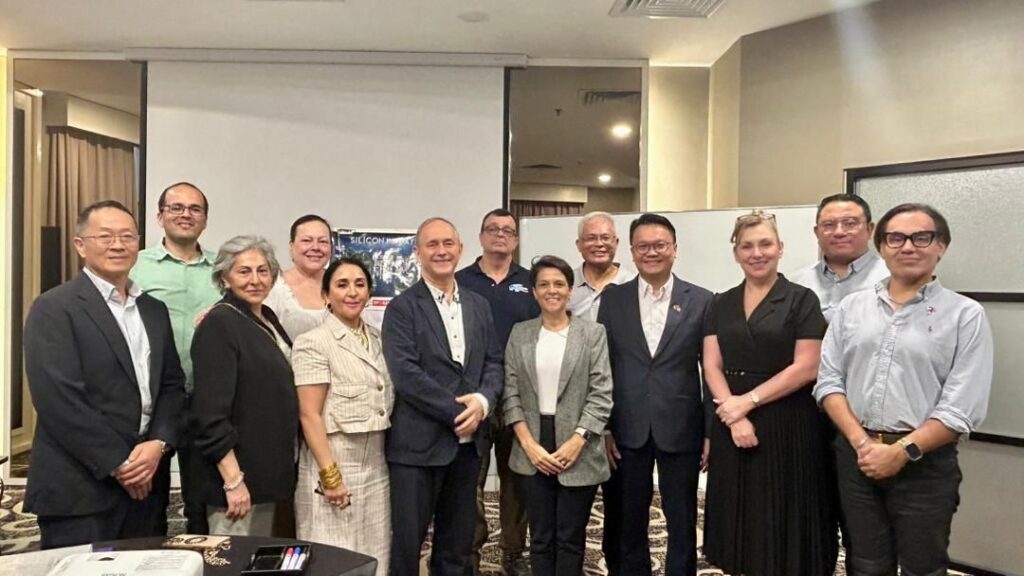
Penang is forging a 'dual-hub' semiconductor partnership with Latin America to strengthen supply chain resilience amid global restructuring. Malaysia holds ~13% of the global OSAT market, while Latin America advances via nearshoring—Mexico in assembly, Costa Rica in design/testing, and Chile/Bolivia in critical minerals. Key challenges include logistics costs, policy coordination, and talent gaps. Industry leaders from the US, Mexico, Brazil, Colombia, and Costa Rica joined the Penang forum, underscoring growing cross-regional collaboration in electronics and automotive electronics.

Southeast Asia Supply Chain Realignment Accelerates: 30% Drop in China Exports vs 23% Growth in ASEAN
Geopolitics

Southeast Asia Supply Chain Realignment Accelerates: 30% Drop in China Exports vs 23% Growth in ASEAN

According to MTTSL data, China's exports to the US fell 30% in 2025 while Southeast Asia's exports grew 23%, signaling accelerated supply chain realignment. Strait of Malacca hub ports benefit significantly, with Malaysia and other ASEAN nations enhancing logistics capabilities. Despite geopolitical risks, Southeast Asian supply chains demonstrate resilience through regional trade integration. The next 18-24 months represent a critical phase, requiring strategic adaptation from businesses and governments alike.

ASEAN Cargo to US Up 23% as Supply Chain Shifts Accelerate
Geopolitics

ASEAN Cargo to US Up 23% as Supply Chain Shifts Accelerate

Cargo flows across Asia remain strong as supply chains shift toward ASEAN: China’s US exports fell ~30% last year, while ASEAN’s rose 23%. MTTSL MD Ooi Lean Hin notes the full impact will unfold over 18–24 months as factories relocate. Malaysian ports face no major congestion despite West Asia tensions. Freight rates surged for Gulf routes, with war risk premiums now standard for Red Sea–adjacent destinations. Feeder vessel supply is constrained — newbuilds cover just 38% of retirements through 2030 — underscoring critical capacity gaps for regional transshipment.

Hormuz Strait Crisis Exposes Methanol Supply Chain Fault Lines Across Southeast Asia
Disruptions

Hormuz Strait Crisis Exposes Methanol Supply Chain Fault Lines Across Southeast Asia

The Hormuz Strait crisis has laid bare the alarming fragility of Southeast Asia’s methanol supply chain, where 40% of imports depend on a single maritime chokepoint and only four producers serve the entire region. With prices hitting a four-year high of $400–410/tonne and panic buying doubling allocation requests, the episode reveals deep structural flaws: overconcentration, inadequate buffer stocks, outdated logistics infrastructure, and absent regional coordination. This analysis dissects the geopolitical, operational, pricing, and strategic dimensions of the shock—not as a transient disruption, but as a definitive warning about the cost of optimizing for efficiency over resilience in critical chemical supply networks.

Welcome Back!

Login to your account below

Create New Account!

Fill the forms below to register

Retrieve your password

Please enter your username or email address to reset your password.

Add New Playlist