Skip to content

Coverage desk

Japan

52 published stories

Japan pulls rare earths from Pacific seabed; yttrium at 1,000 ppm
Japan & Korea Supply Chain

Japan pulls rare earths from Pacific seabed; yttrium at 1,000 ppm

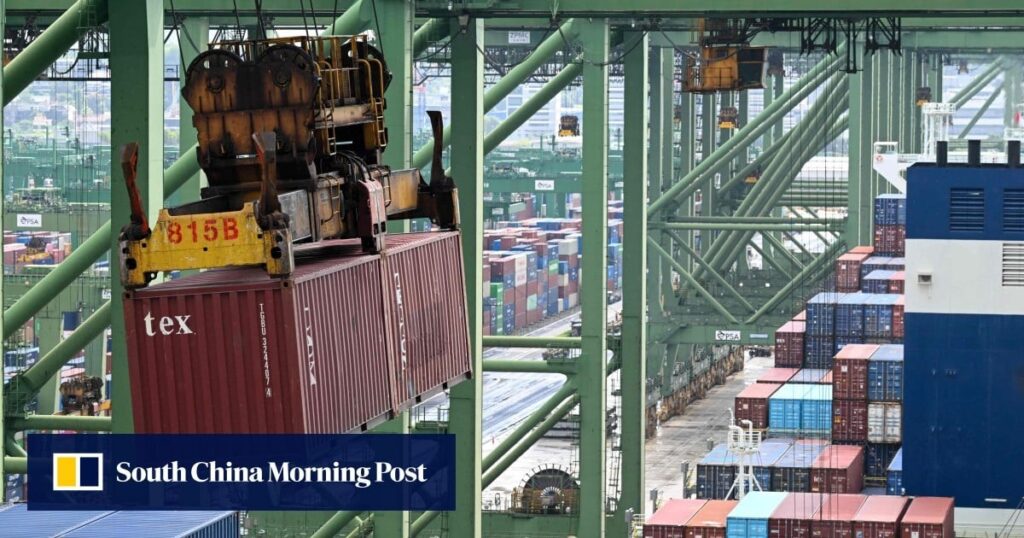
Japan has extracted yttrium (at 1,000 ppm) and dysprosium from deep-sea mud near Minamitorishima Island in the Pacific Ocean. The seabed deposit lies 2,000 meters below the surface and forms part of Japan’s strategy to cut reliance on China, which supplies over 90% of global refined rare earths. Despite promising assays, commercialization remains distant due to high extraction costs, with no large-scale pilot expected before the late 2030s. Japan has committed ¥15 billion to seabed R&D and is pursuing alternatives including domestic smelting (Shin-Etsu, 2027), recycling (Toyota Tsusho), and international partnerships (France, Greenland). Rare-earth costs for Japanese firms rose over 20% in early 2026.

Asuene raises $87M led by BlackRock, Temasek decarbonization fund
ESG & Regulation

Asuene raises $87M led by BlackRock, Temasek decarbonization fund

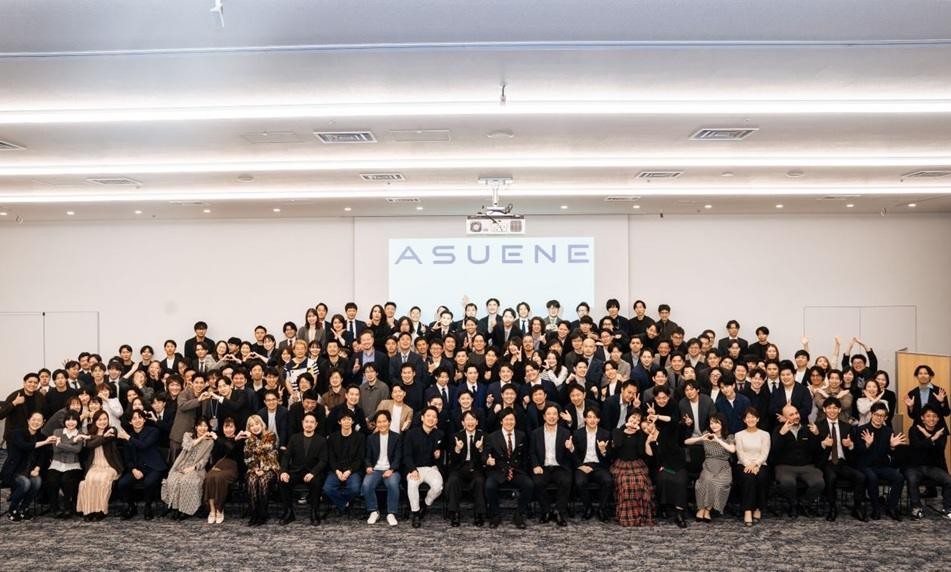
Tokyo-based sustainability platform Asuene raised $87 million in a Series D round led by BlackRock and Temasek’s Decarbonization Partners — its first investment in Japan. Founded in 2019, Asuene provides integrated solutions including GHG reporting, supply chain carbon management, and AI-powered energy reduction via its ASUENE, ASUENE SUPPLY CHAIN, and NZero platforms. The capital will fund M&A expansion across the U.S., UK, and EU, as well as AI product development. Regulatory drivers include Japan’s SSBJ, the EU’s CSRD and CBAM, and growing corporate demand for sustainability data as a strategic business tool.

US, Japan ink critical minerals pact with price floors, stockpiling goals
Japan & Korea Supply Chain

US, Japan ink critical minerals pact with price floors, stockpiling goals

The U.S. and Japan launched the U.S.-Japan Critical Minerals Action Plan on March 19, 2026, creating a plurilateral framework with border-adjusted price floors, joint stockpiling goals, and $420 million in combined public funding. The pact targets cobalt, nickel, lithium, and graphite, addressing supply concentration risks where over 70% of cobalt refining and 60% of lithium processing occur in just one or two countries. A new Coordination Secretariat begins operations in Q2 2026, with supplier compliance deadlines set for January 2027.

Vietnamese Tilapia Exports Sashimi to Japan, $76M in 6 Months
Southeast Asia Supply Chain

Vietnamese Tilapia Exports Sashimi to Japan, $76M in 6 Months

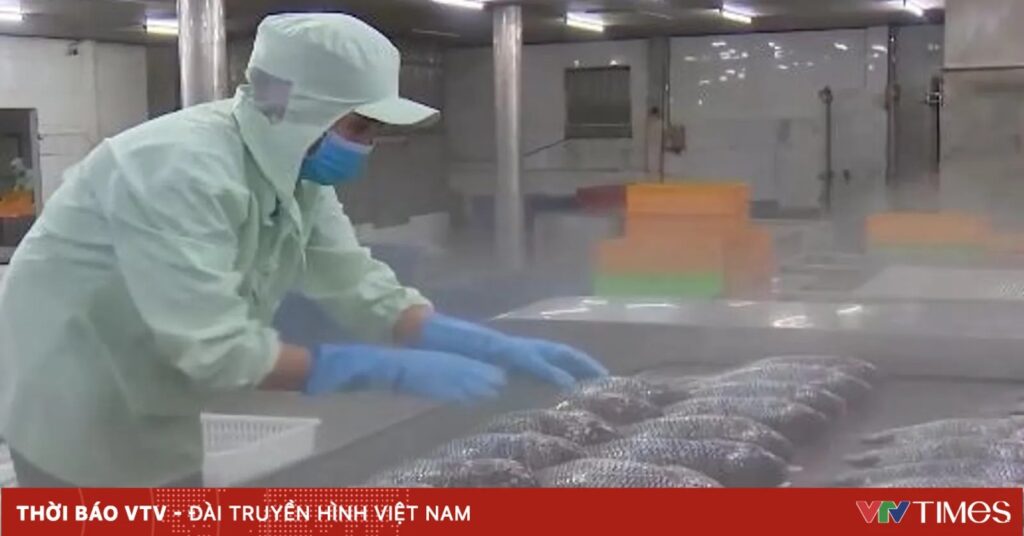
Vietnamese tilapia has entered Japan's sashimi market for the first time, following six months of investment in high-standard aquaculture and processing. A Cần Thơ-based exporter shipped the inaugural sashimi-grade tilapia batch, while another local firm launched a 200-ton-per-day processing plant. Tilapia export revenue hit $76 million in H1 2026 — up 101% YoY — with expansion planned into the U.S., Canada, and Australia. Over 1,000 hectares in Cần Thơ have shifted to tilapia farming to mitigate risks from shrimp disease outbreaks.

BOJ may raise 2026 growth forecast to 0.5%, holds rates at 1%
Disruptions

BOJ may raise 2026 growth forecast to 0.5%, holds rates at 1%

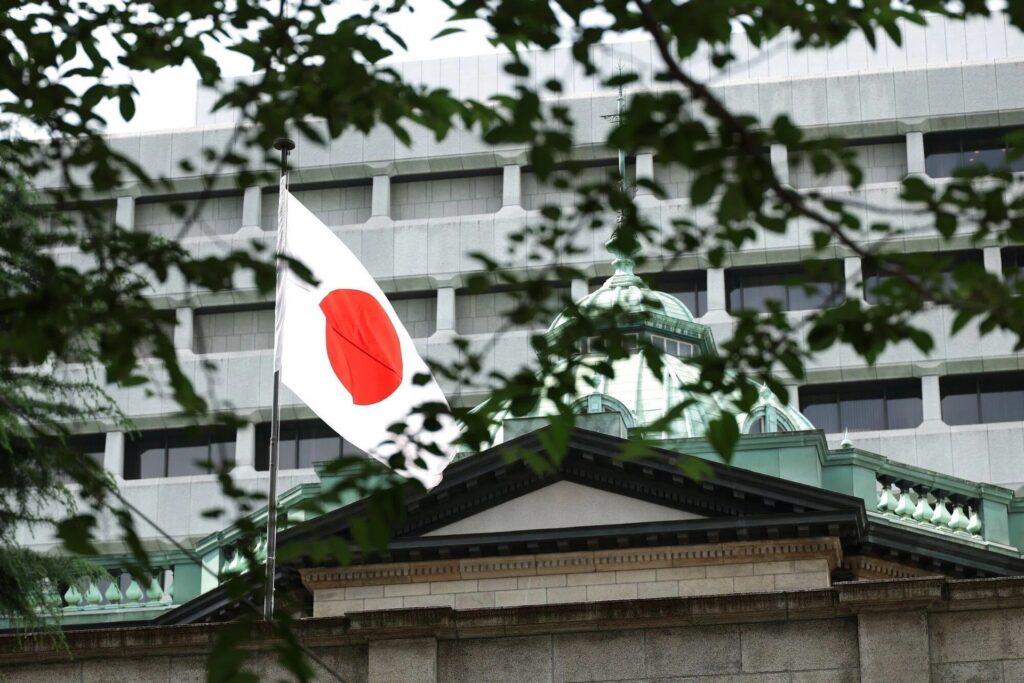
The Bank of Japan may upgrade its fiscal 2026 growth forecast to 0.5% while holding its policy rate at 1% through July 31. Though it may lower its core inflation forecast from 2.8% amid falling oil prices, the BOJ maintains vigilance due to yen-driven import costs, wage gains, and Middle East war impacts. Wholesale inflation hit 7.1% in June; core CPI remained below 2% for four straight months. Key CPI data releases on August 21 and September 18 will inform future rate decisions, with most analysts expecting a hike to 1.25% by year-end.

India Draws $3.2B Japan FDI but Trades $151B with China
Manufacturing

India Draws $3.2B Japan FDI but Trades $151B with China

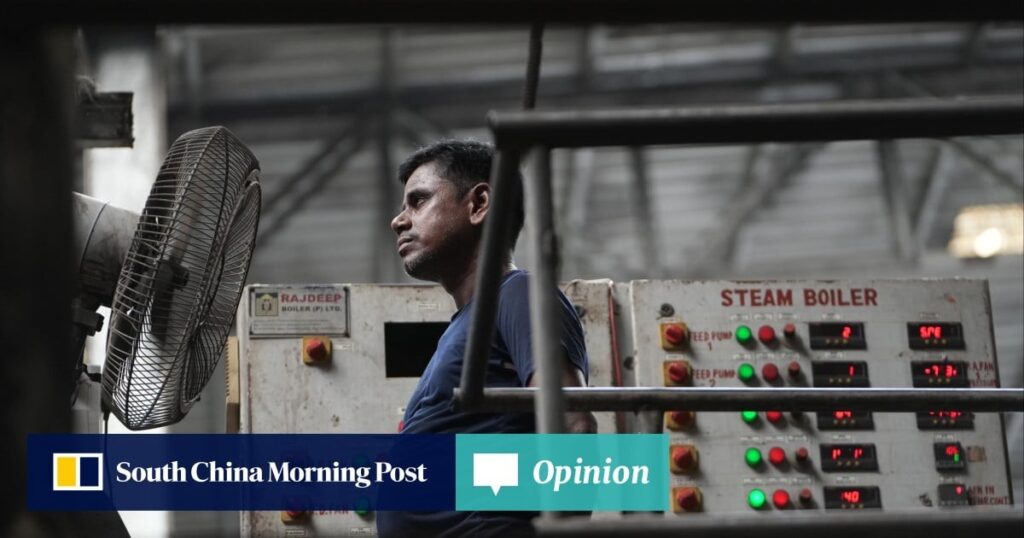
India received US$3.2 billion in Japanese FDI in 2025–26, yet traded US$151 billion with China — over five times more. Japan’s cumulative FDI in India exceeds US$48 billion, including MUFG’s US$4.4 billion stake in Shriram Finance. Meanwhile, China’s FDI stock stood at US$3.7 trillion in 2023, dwarfing India’s US$500 billion. The article argues India need not choose between Japanese capital and Chinese supply chains — instead, it must integrate both to accelerate manufacturing scale and speed.

Asia Rejigs Supply Chains After Three Shocks in Six Years
Southeast Asia Supply Chain

Asia Rejigs Supply Chains After Three Shocks in Six Years

Asia’s supply chains are undergoing structural recalibration after three major shocks in six years — Covid-19, Russia’s invasion of Ukraine, and the US-Israel war on Iran — ending decades of reliance on 'just in time' efficiency. The Strait of Hormuz crisis proved decisive, prompting governments and firms to prioritize resilience over cost. Japan launched a $2.1 billion fund for rare earth redundancy; South Korea mandated supplier risk plans by end-2026; and APAC inventory buffers rose 28%. Analysts confirm disruption is now a 'recurring feature,' not an exception.

Japan-India Summit Pledges AI, Clean Energy, Defense Ties
Europe Supply Chain

Japan-India Summit Pledges AI, Clean Energy, Defense Ties

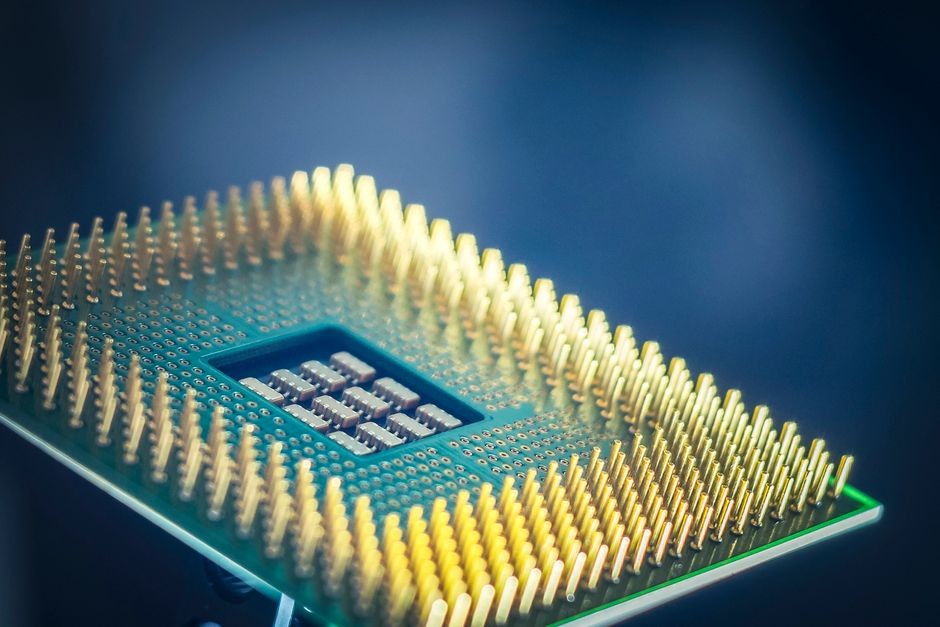
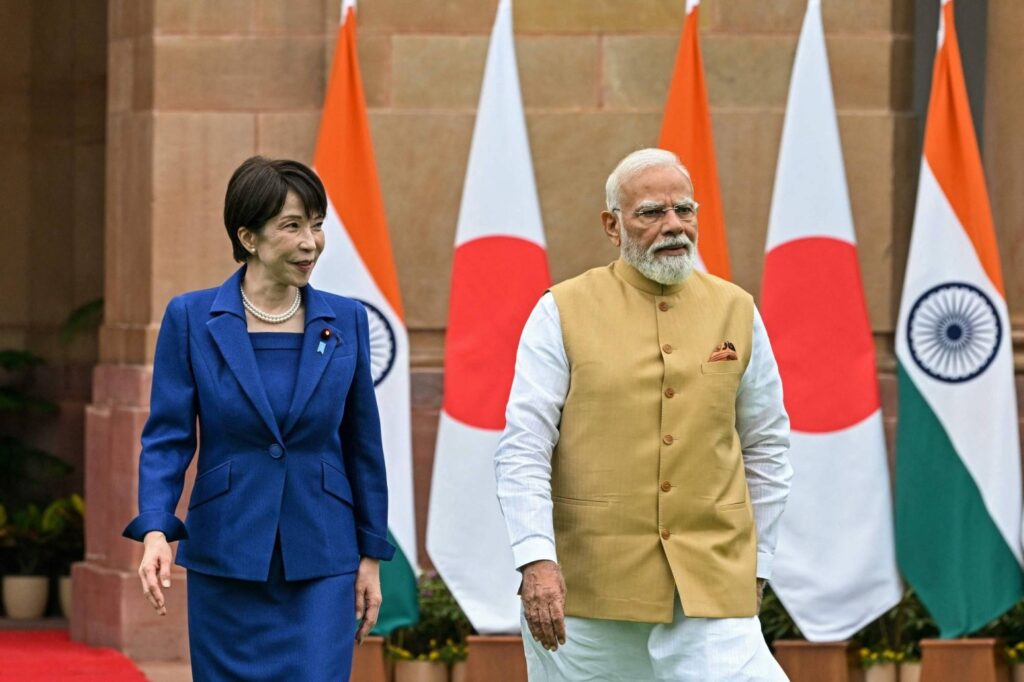
Japanese Prime Minister Sanae Takaichi and Indian Prime Minister Narendra Modi held a summit in New Delhi on July 2, 2026, to advance cooperation in AI, clean energy, defense, and economic security. The meeting builds on a 10-year roadmap launched in August 2025 and responds to rising supply chain fragility — including semiconductor lead times stretching to 24 weeks — and energy insecurity. Key commitments include five joint solar-plus-storage microgrids by March 2027, a Q4 2026 AI working group, and mutual supplier certification to cut customs clearance time by 35%. Japanese FDI in India reached $4.8 billion in fiscal 2025, up 22% year-on-year.

Ford CEO seeks USMCA import penalties as Toyota, GM imported 1.19M+ vehicles in 2025
Geopolitics

Ford CEO seeks USMCA import penalties as Toyota, GM imported 1.19M+ vehicles in 2025

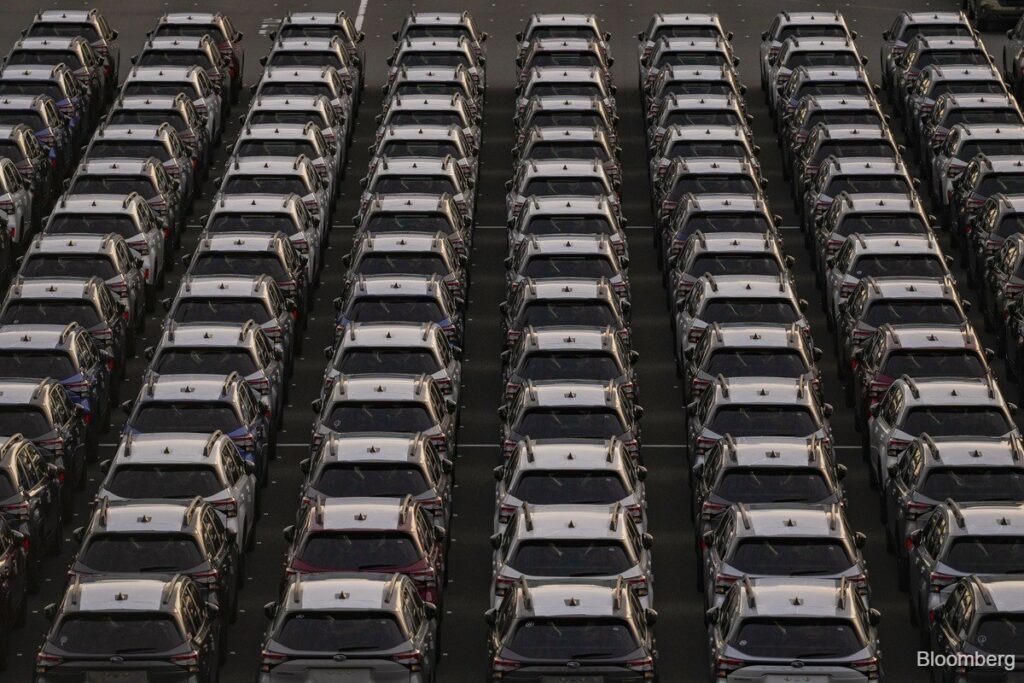
Ford CEO Jim Farley is pushing for USMCA revisions to penalize high-volume vehicle importers like Toyota and GM, which brought in over 2.36 million units in 2025. Ford assembled more than 2 million vehicles domestically last year — the highest volume among automakers — exporting 311,000 units globally while importing just 378,000 (17% of sales). With USMCA subject to annual reviews until 2036, industry groups warn that uncertainty threatens North American supply chain stability. The auto sector represented 18% of U.S. trade with Canada and Mexico last year.

Japan pledges $12.5B for India manufacturing, semiconductors, clean energy
Manufacturing

Japan pledges $12.5B for India manufacturing, semiconductors, clean energy

Japan has pledged $12.5 billion in private-sector investment across nearly 120 cooperation agreements with India, announced during the 16th Japan-India Annual Summit in New Delhi on 02-07-2026. The initiative supports semiconductor ecosystem development, clean-energy deployment—including Suzuki’s biogas projects—and supply-chain diversification. It forms part of Japan’s 10-year goal to mobilize 10 trillion yen in India investments. Over 150 Japanese companies attended the Japan-India Economic Forum, reflecting growing confidence in India as a production and innovation base. Implementation challenges include regulatory consistency, infrastructure gaps, and workforce readiness.

UPS invests $48M in 27 temperature-controlled cross-dock facilities
AI & Automation

UPS invests $48M in 27 temperature-controlled cross-dock facilities

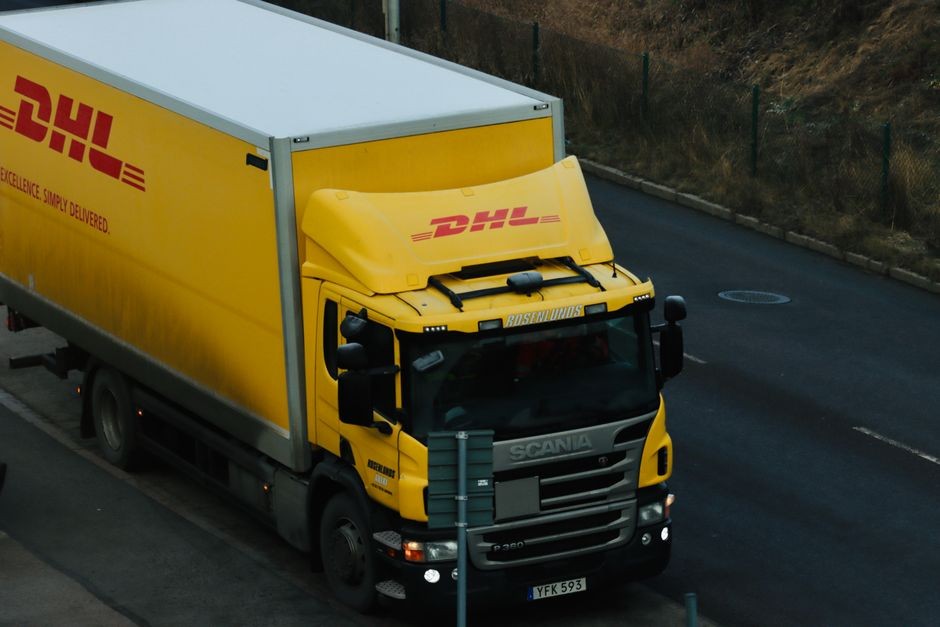
UPS has invested $48 million in 27 temperature-controlled cross-dock facilities across the U.S. and international markets—including Germany, Japan, Singapore, Brazil, and Canada—to strengthen cold-chain capabilities for pharmaceuticals and clinical trial materials. Completed by June 30, 2026, the expansion supports a 19% YoY rise in healthcare shipment volume and aims for 25% U.S. clinical trial logistics market share by 2030. Facilities integrate MySupplyChain platform, ISO 13485 certification, FDA registration for IND handling, and 37 Stirling Ultracold freezers.

Seven Japanese Firms Ink India-Sourced Ammonia Deal for Fiscal 2030
ESG & Regulation

Seven Japanese Firms Ink India-Sourced Ammonia Deal for Fiscal 2030

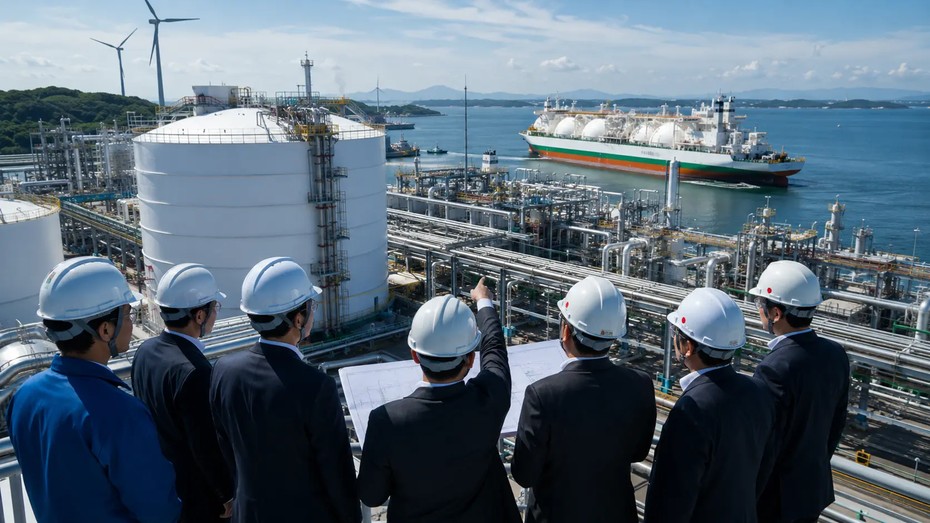
Seven Japanese firms — including IHI Corporation, Kobe Steel, and Hokkaido Electric Power — have secured government certification to import low-carbon ammonia from ACME Group’s Odisha, India facility starting fiscal 2030. The deal is backed by Japan’s 15-year price-gap subsidy scheme and marks the first India-sourced ammonia supply chain approved under the Hydrogen Society Promotion Act. It diversifies Japan’s import base beyond existing U.S. Gulf Coast projects, such as JERA’s and Mitsui’s Louisiana-sourced deals certified in December 2025. Japan aims to scale ammonia supply from 2 million to 12 million tonnes by 2040, supported by ¥15 trillion ($103 billion) in planned investment.

Welcome Back!

Login to your account below

Create New Account!

Fill the forms below to register

Retrieve your password

Please enter your username or email address to reset your password.

Add New Playlist