The U.S. and Japan launched the U.S.-Japan Critical Minerals Action Plan on March 19, 2026, creating a plurilateral framework with border-adjusted price floors, joint stockpiling goals, and $420 million in combined public funding. The pact targets cobalt, nickel, lithium, and graphite, addressing supply concentration risks where over 70% of cobalt refining and 60% of lithium processing occur in just one or two countries. A new Coordination Secretariat begins operations in Q2 2026, with supplier compliance deadlines set for January 2027.
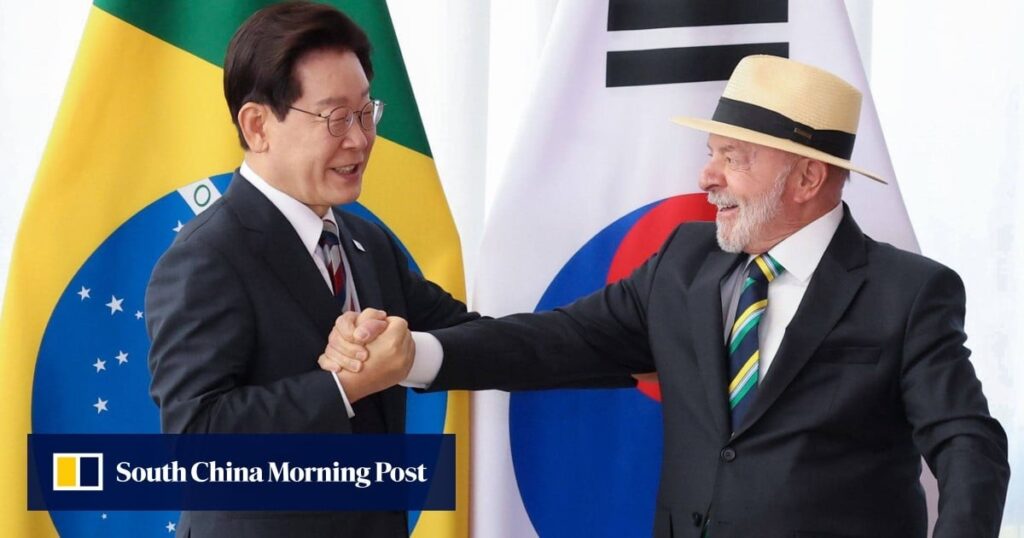
According to www.supplychaindive.com, the United States and Japan unveiled the U.S.-Japan Critical Minerals Action Plan on March 19, 2026, establishing a framework for coordinated trade policy, shared rules, border-adjusted price floors, and joint stockpiling targets for strategic minerals.
Plurilateral initiative with enforceable mechanisms
The action plan is designed not as a bilateral agreement alone but as a foundation for broader international collaboration. It explicitly aims to build a plurilateral pact on critical minerals, inviting other like-minded partners—including members of the Indo-Pacific Economic Framework (IPEF) and the Minerals Security Partnership (MSP)—to adopt common standards. Central to the proposal are border-adjusted price floors, which would apply to imports of targeted minerals such as cobalt, nickel, lithium, and graphite, ensuring minimum valuation thresholds across participating economies. The plan also sets quantified stockpiling goals aligned with national defense and clean energy deployment timelines, though specific tonnage or dollar-value targets were not disclosed in the source text.
Strategic alignment amid supply concentration risks
The initiative responds directly to documented global supply vulnerabilities: over 70% of global cobalt refining capacity resides in a single country, and more than 60% of lithium processing is concentrated in two nations. According to the report, U.S. Trade Representative Jamieson Greer emphasized the urgency of diversification, stating:
“Today’s announcement reinforces our supply chain resilience and energy security with a key partner in the Indo-Pacific region.” — Jamieson Greer, U.S. Trade Representative
The plan includes provisions for synchronized investment screening, harmonized export controls on processing technologies, and joint mapping of upstream exploration opportunities in third countries including Canada, Australia, and Botswana.
Implementation timeline and governance structure
A dedicated U.S.-Japan Critical Minerals Coordination Secretariat will begin operations in Q2 2026, co-located between Washington, D.C., and Tokyo. The secretariat will oversee quarterly technical working groups covering mineral traceability, recycling standards, and battery-grade purity benchmarks. The first set of jointly certified smelting and refining facilities is expected to be announced by December 2026. The source states that both governments have committed $420 million in combined public funding over three years to support pilot projects in closed-loop recycling infrastructure and AI-driven geological surveying tools.
Industry implications for procurement and logistics
For supply chain professionals, the pact introduces new operational requirements: suppliers exporting covered minerals into either market must now provide auditable chain-of-custody documentation compliant with the Responsible Minerals Initiative (RMI) standard by January 2027. Logistics providers will face revised customs classification protocols for mineral concentrates shipped under the agreement. Practitioners should anticipate increased demand for bonded warehousing near designated U.S. Strategic Mineral Hubs—including Richmond, Virginia, and Phoenix, Arizona—and Japanese counterparts in Oita Prefecture and Kobe. The plan also mandates interoperable digital twin models for inventory tracking across both national stockpile systems, with data-sharing protocols scheduled for finalization in September 2026.
Source: Supply Chain Dive
Compiled from international media by the SCI.AI editorial team.