Skip to content

Coverage desk

South Asia Supply Chain

61 published stories

Apple supply chain leak undermines India’s manufacturing push
South Asia Supply Chain

Apple supply chain leak undermines India’s manufacturing push

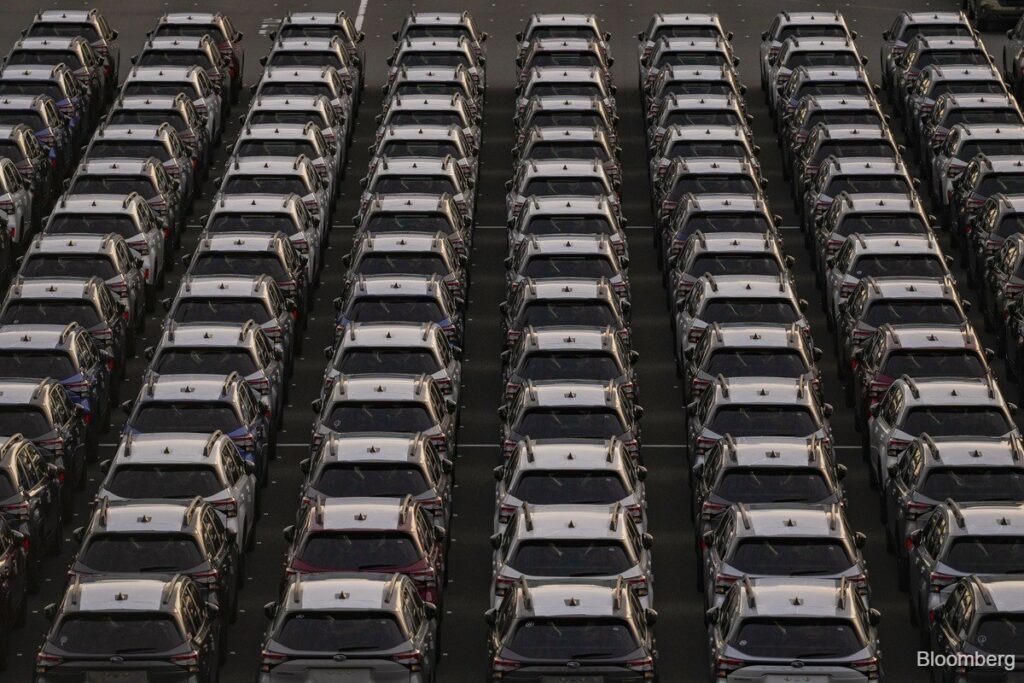
A recent Apple supply chain data leak in India has undermined confidence in the country’s manufacturing ambitions, while China deepens mineral partnerships in Indonesia — securing over 65% of its refined nickel exports. The incident highlights growing scrutiny of data governance in nearshoring decisions. Since 2020, Indonesia’s nickel export ban has spurred $30 billion in FDI, with China accounting for more than half. India aims to expand iPhone production to five hubs by 2026, but trust deficits now rival cost advantages. Seven new China–Indonesia mineral MOUs were signed since early 2024.

US imposes 10% forced labour tariffs on India’s 70% of exports
South Asia Supply Chain

US imposes 10% forced labour tariffs on India’s 70% of exports

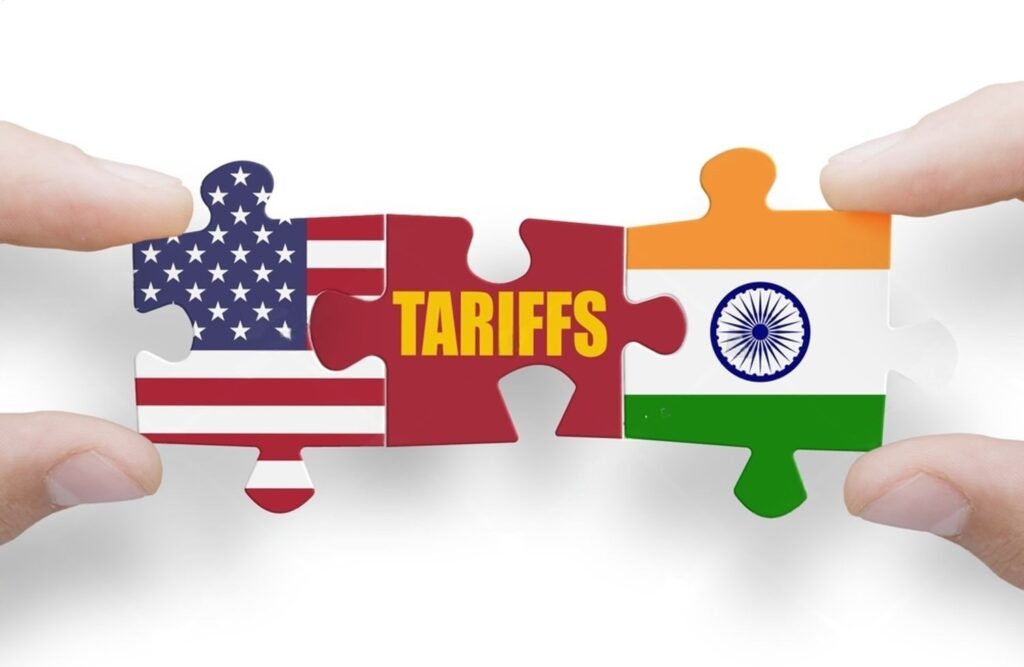
The U.S. has imposed permanent 10% Section 301 tariffs on roughly 70% of India’s exports—including textiles, engineering goods, gems and jewellery—effective July 2026. India’s recent forced labour import ban secured its placement in the lower 10% tier, avoiding a proposed 12.5% rate. Seventeen countries, including Bangladesh, Canada, Indonesia, and the UK, share this 10% rate. An additional 8% of Indian exports face 25% or 50% Section 232 tariffs on steel, aluminium, and auto parts. Industry responses are split: export groups cite competitive parity with peers, while gem and jewellery leaders warn of margin erosion in the U.S. market.

Indian Railways approves ₹440 crore third line to boost eastern freight capacity
South Asia Supply Chain

Indian Railways approves ₹440 crore third line to boost eastern freight capacity

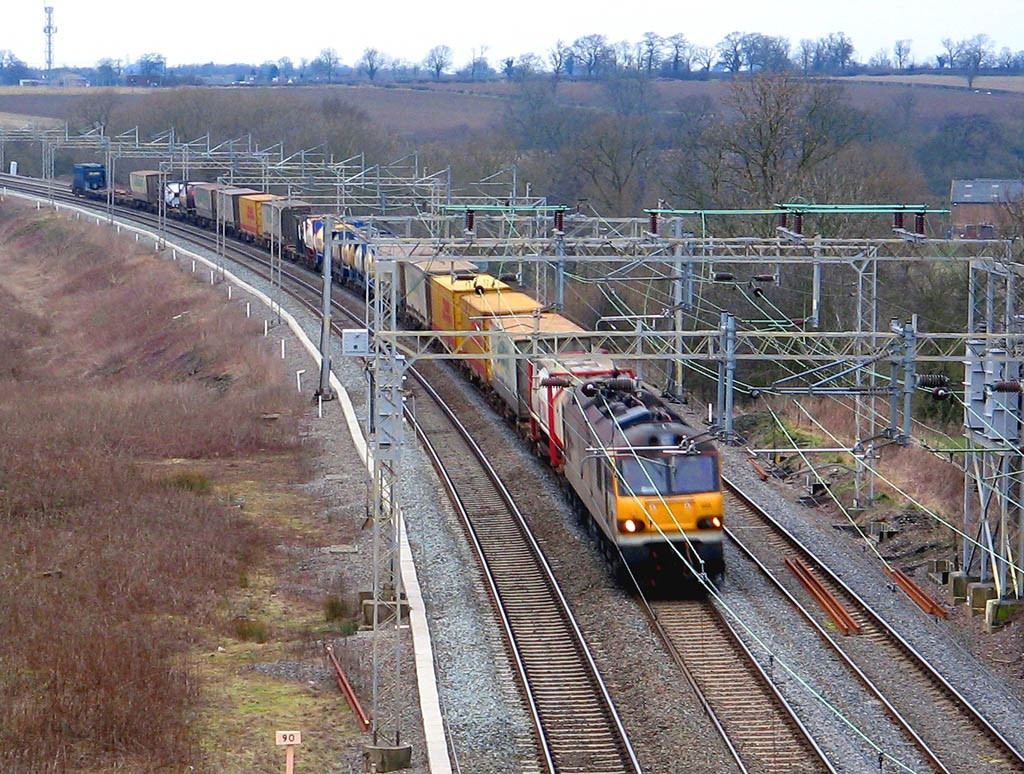
Indian Railways has approved a ₹440 crore project to construct a 14.52-km third railway line between Nimpura West Outer Cabin and Midnapur in the South Eastern Railway zone. Located on the High Utilisation Network (HUN-2), the corridor currently handles 23.80 million tonnes per annum of freight at 115.71% capacity utilisation. The upgrade is expected to add 3.52 MTPA of freight capacity, easing congestion for manganese, iron ore, coal, steel, and other essential commodities. The initiative supports India’s goal to raise rail’s freight modal share to 45% by 2030.

India, Panama ink maritime pact on digital ports, green ship recycling
South Asia Supply Chain

India, Panama ink maritime pact on digital ports, green ship recycling

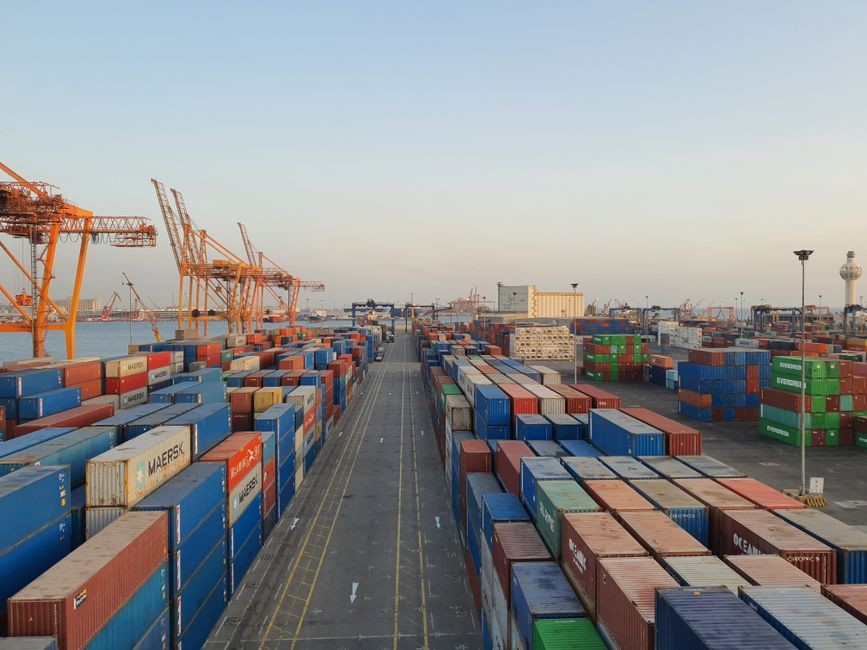
India and Panama have launched a strategic maritime partnership focused on digital port infrastructure, green ship recycling, and logistics modernization. On July 23, 2026, Union Minister Sarbananda Sonowal and Panama’s Foreign Minister Javier Martínez-Acha Vásquez identified four priority areas: maritime security, technical collaboration between DG Shipping and the Panama Maritime Authority, seafarer skilling, and AI-powered smart port systems. The initiative builds on a maritime relationship dating to the 19th century and positions Panama as India’s gateway to Latin America and the Caribbean. Joint efforts will include bilateral agreement negotiations, port modernisation, and participation in India Maritime Week 2026.

India Launches ISM 2.0 with Focus on Chip Equipment, Gases, Materials
South Asia Supply Chain

India Launches ISM 2.0 with Focus on Chip Equipment, Gases, Materials

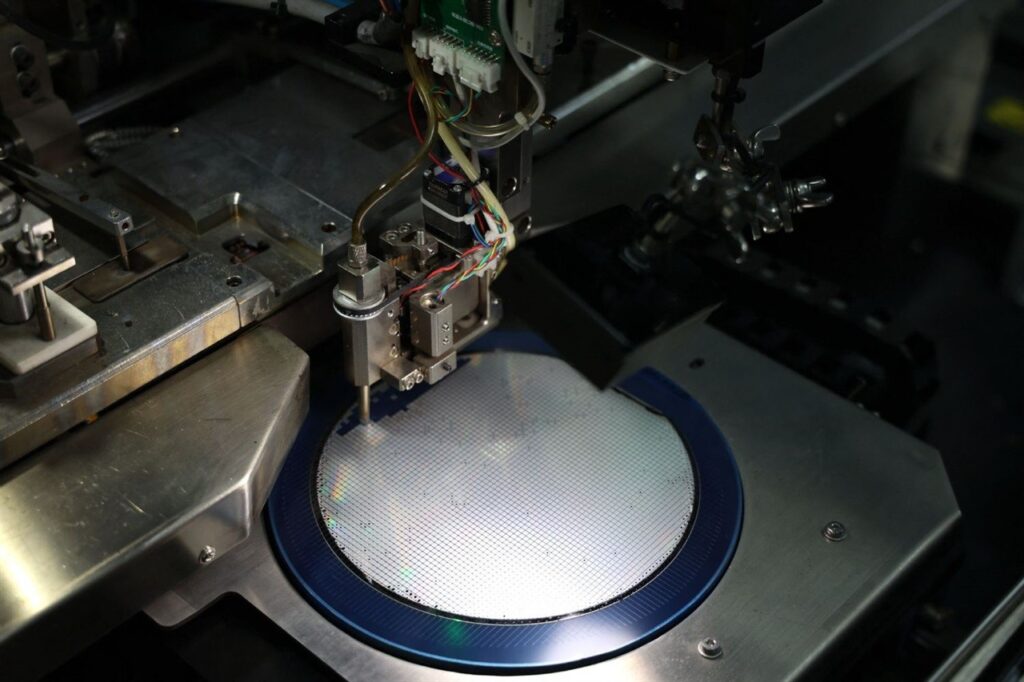
India’s Union Cabinet has approved ISM 2.0, a ₹15,000 crore ($1.8 billion) semiconductor initiative focused on domestic production of chip-making equipment, specialty materials, and process gases. Unlike the first phase — which targeted fabs and packaging units — ISM 2.0 mandates 35% indigenous content within three years and allocates 40% of funds to upstream enablers. Industry stakeholders stress that success hinges on cutting gas-cylinder customs clearance from 90 to 14 days and scaling India’s sole semiconductor-grade quartz facility, currently operating at 12% capacity. The plan targets Bengaluru, Hyderabad, and Chennai as priority clusters.

China’s Africa imports surge 40.2% in June amid zero-tariff expansion
South Asia Supply Chain

China’s Africa imports surge 40.2% in June amid zero-tariff expansion

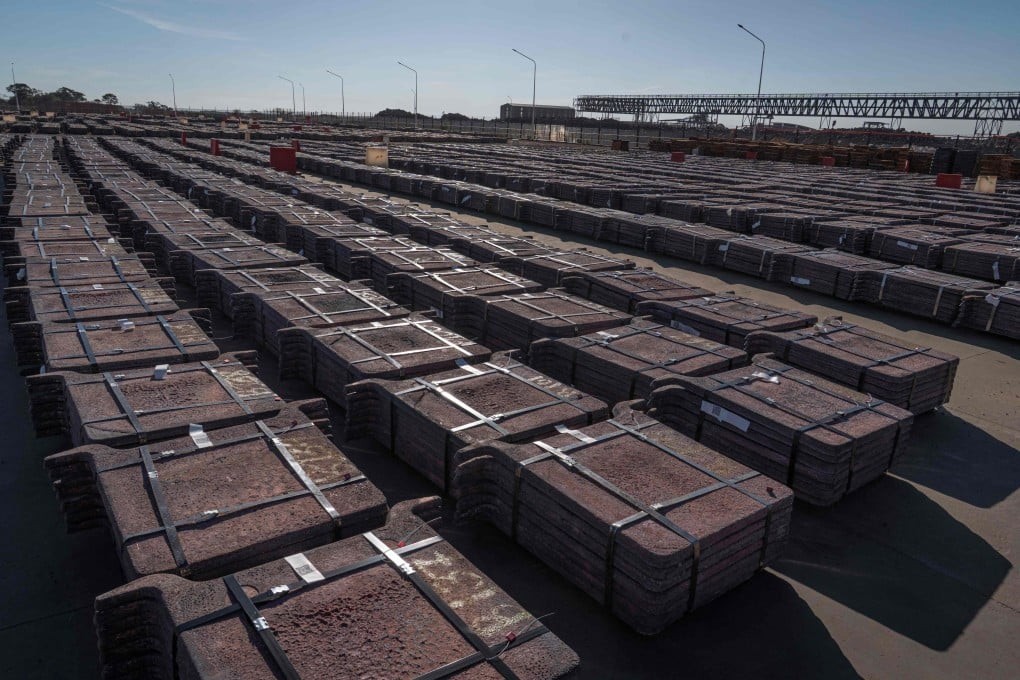
China’s imports from Africa rose 21.1% year-on-year in May and 40.2% in June 2026 after Beijing expanded its zero-tariff policy across the continent. Unwrought copper imports surged over 110% to US$1.65 billion, rhodium powder imports nearly quintupled to US$125 million, and crude oil imports hit US$3.11 billion — Africa’s top export category to China. The policy now covers 98% of tariff lines for 33 African LDCs, effective 1 May 2026, and has enabled market access for over 30 new African agricultural products.

India cuts chip subsidy rates, expands coverage to 12 sectors
South Asia Supply Chain

India cuts chip subsidy rates, expands coverage to 12 sectors

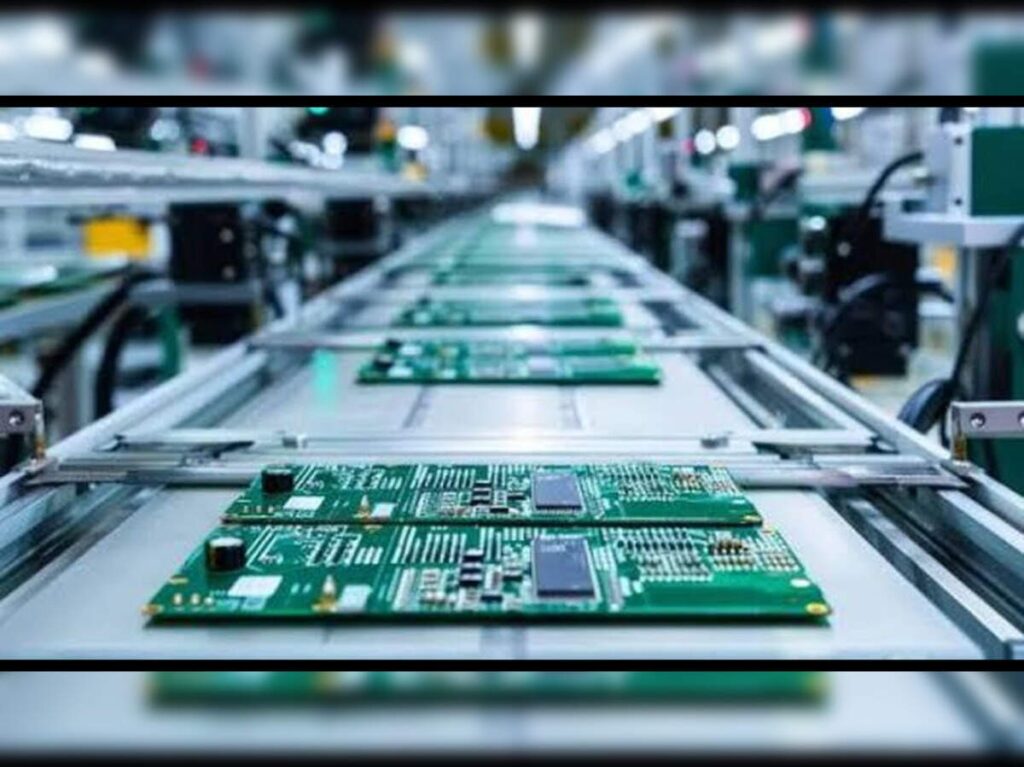
India has revised its semiconductor and electronics manufacturing incentives, lowering chip fabrication subsidies from 50% to 30% of capital expenditure while expanding coverage to 12 value chain segments — including PCB assembly, power semiconductors, and display drivers. A new smartphone scheme mandates 60% domestic component content and requires 1 million units/year minimum production. Approved on July 15, 2026, the policy targets Chennai–Bengaluru and National Capital Region corridors, aiming to strengthen supply chain resilience amid geopolitical shifts away from China. The expansion reflects a strategic pivot toward integrated electronics ecosystems rather than isolated fab projects.

India Rejects US Interim Trade Deal, Demands 10% Tariff Edge Over Vietnam, Bangladesh
South Asia Supply Chain

India Rejects US Interim Trade Deal, Demands 10% Tariff Edge Over Vietnam, Bangladesh

India has rejected a swift U.S. trade pact, demanding a formal 10% tariff advantage for its exports over competitors like Vietnam and Bangladesh. Talks stalled after U.S. Trade Representative Jamieson Greer’s New Delhi visit ended without agreement. A proposed U.S. Section 301 action threatens 12.5% duties on Indian goods, set to take effect unless resolved before 24 July. Since 2025, India finalized FTAs with the UK, EFTA, Oman, New Zealand, and the EU, and launched negotiations with GCC, Israel, EAEU, Chile, and Canada — bringing its total FTAs to 38. Commerce Minister Piyush Goyal affirmed India will only accept a deal delivering measurable competitive advantage.

India–UK CETA lifts tariffs, boosts garment exports to 8% share
South Asia Supply Chain

India–UK CETA lifts tariffs, boosts garment exports to 8% share

The India–UK Comprehensive Economic & Trade Agreement (CETA) takes effect July 15, 2026, targeting tariff reductions across garments, textiles, processed foods, seafood, and automobiles. In 2025, India supplied just $15.2 billion — 1.6% — of the UK’s $928.9 billion in global imports. Garments account for 6.1% of UK imports from India, while the UK buys 8% of India’s global garment exports. Processed foods represent a major gap: India holds only 1.1% of the UK’s $33.4 billion market. Automobiles offer long-term upside despite India’s mere 0.4% share of the UK’s $92.2 billion vehicle and component imports.

Australia, India Ink Energy Pact with $750M Urea Project, Uranium Export Deal
South Asia Supply Chain

Australia, India Ink Energy Pact with $750M Urea Project, Uranium Export Deal

Australia and India have strengthened their energy partnership with a Joint Statement on Energy Security, uranium export arrangements, critical minerals cooperation, and the AUD $750 million Perdaman Project Ceres urea facility. Key milestones include the Rooftop Solar Training Academy in Gujarat and India’s solar capacity exceeding 162 GW as of July 2026. The pact advances supply chain resilience across energy, agriculture, and clean tech sectors.

USMCA Not Extended Amid Retail, Manufacturing Push to Preserve Pact
South Asia Supply Chain

USMCA Not Extended Amid Retail, Manufacturing Push to Preserve Pact

The United States, Mexico, and Canada declined to immediately extend the USMCA on July 1, 2026, initiating its mandatory annual review instead of a planned 16-year renewal. Retail, manufacturing, and apparel trade groups—including the NRF, AAFA, and NAM—strongly urged preservation, citing $1.3 trillion in annual trilateral trade, $2.1 billion in annual duty savings, and critical supply chain integration. Key provisions like the 70% regional value content rule for textiles and the $16/hour labor value content threshold for autos underpin operational stability. Industry data shows USMCA boosted U.S. GDP by 0.35% and supports 12 million jobs.

Asia-Europe spot rate split nears record -$1,678/40ft
South Asia Supply Chain

Asia-Europe spot rate split nears record -$1,678/40ft

The Asia-North Europe–Asia-Mediterranean spot rate spread has reached -$1,678 per 40ft container — nearing its all-time high set in 2022. Sea-Intelligence attributes the historic divergence to spillover effects from the Strait of Hormuz crisis, which has diverted cargo toward Mediterranean routes. While transpacific spreads remain within historical norms, the Asia-US West Coast gap has grown erratic, echoing a June 2025 spike tied to abrupt China-US tariff removal. Port congestion has hit a four-year high at 3.7 million TEU, and carriers have announced new rate hikes effective 15 July 2026.

Welcome Back!

Login to your account below

Create New Account!

Fill the forms below to register

Retrieve your password

Please enter your username or email address to reset your password.

Add New Playlist