The India–UK Comprehensive Economic & Trade Agreement (CETA) takes effect July 15, 2026, targeting tariff reductions across garments, textiles, processed foods, seafood, and automobiles. In 2025, India supplied just $15.2 billion — 1.6% — of the UK’s $928.9 billion in global imports. Garments account for 6.1% of UK imports from India, while the UK buys 8% of India’s global garment exports. Processed foods represent a major gap: India holds only 1.1% of the UK’s $33.4 billion market. Automobiles offer long-term upside despite India’s mere 0.4% share of the UK’s $92.2 billion vehicle and component imports.
According to indiashippingnews.com, the India–UK Comprehensive Economic & Trade Agreement (CETA) enters into force on July 15, 2026, unlocking tariff reductions across dozens of sectors and positioning Indian exporters to expand market share in the UK — where India supplied just $15.2 billion of goods in 2025, representing only 1.6% of the UK’s $928.9 billion global imports.
High-potential export sectors
Garments lead the list of high-opportunity sectors: India supplied $1.3 billion — or 6.1% — of the UK’s garment imports in 2025, while the UK already accounts for 8% of India’s global garment exports. Textiles, leather, and footwear follow closely: India captured 7.8% of UK textile imports, 7.3% of leather products, and 4.8% of footwear imports — with the UK purchasing over 10% of India’s global footwear exports.
Food and automotive growth corridors
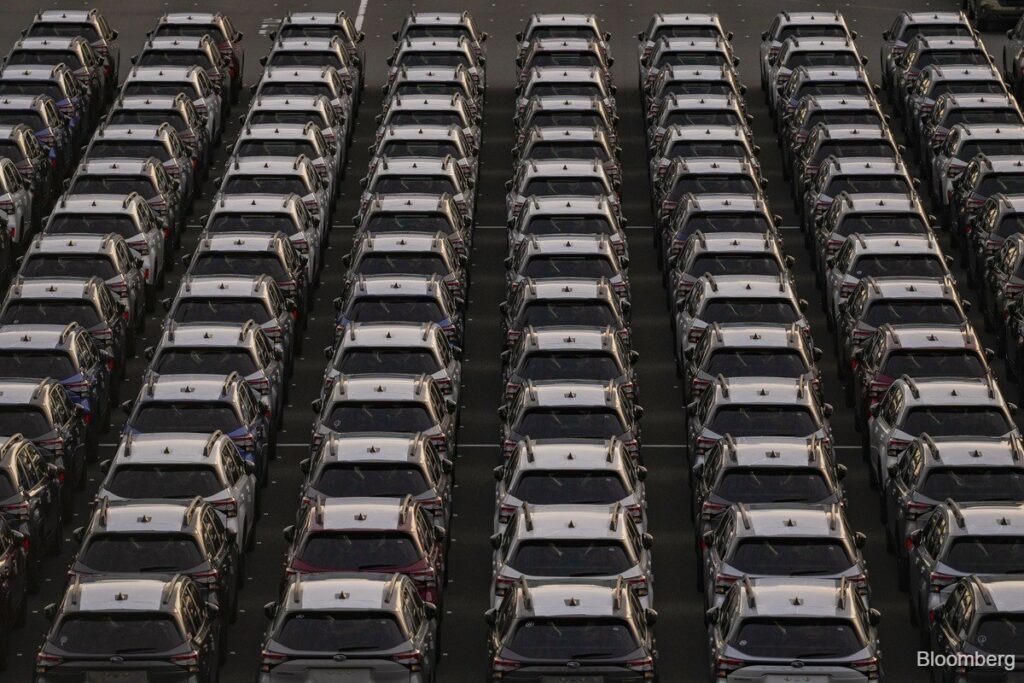
Processed foods — including ready-to-eat meals, bakery items, sauces, and ethnic foods — represent another major opportunity. India holds only a 1.1% share of the UK’s $33.4 billion processed food import market, leaving substantial room for expansion as CETA eliminates key tariffs. Seafood, cereals, vegetables, fruits, and spices also show strong potential, though exporters must meet stringent UK sanitary and phytosanitary (SPS) standards, traceability rules, and food safety requirements. Automobiles present a long-term opening: despite the UK importing $92.2 billion annually in vehicles and components, India’s current market share stands at just 0.4%.
Sector-specific constraints and strategic imperatives
Medium-potential sectors include chemicals, pharmaceuticals, plastics, rubber products, precious metals, paper, wood products, and transport equipment — where regulatory compliance, sustainability criteria, and public procurement practices outweigh tariff advantages. Low-potential categories — iron and steel, ores, petroleum, alcoholic beverages, and tobacco — face structural barriers such as safeguard measures, carbon-related costs, weak brand recognition, and declining demand. Ajay Srivastava, Founder of the Global Trade Research Institute (GTRI), emphasized alignment between capacity, demand, and tariff removal:
“The biggest gains are likely where India’s strong export capacity, the UK’s substantial demand and the removal of a meaningful tariff disadvantage by the CETA come together.” — Ajay Srivastava, Founder, Global Trade Research Institute (GTRI)
Srivastava stressed that CETA delivers market access — not automatic sales — and warned that without parallel progress on standards harmonization, certification, logistics efficiency, regulatory approvals, and buyer-network development, much of the agreement’s benefit will remain theoretical. He urged a sector-specific export strategy focused on operational readiness, noting that machinery and electronics exports depend less on tariffs than on technology upgrades, supply-chain integration, and conformity with UK quality benchmarks.
Source: indiashippingnews.com
Compiled from international media by the SCI.AI editorial team.