Skip to content

South Asia Supply Chain

China’s Africa imports surge 40.2% in June amid zero-tariff expansion

China’s imports from Africa rose 21.1% year-on-year in May and 40.2% in June 2026 after Beijing expanded its zero-tariff policy across the continent. Unwrought copper imports surged over 110% to US$1.65 billion, rhodium powder imports nearly quintupled to US$125 million, and crude oil imports hit US$3.11 billion — Africa’s top export category to China. The policy now covers 98% of tariff lines for 33 African LDCs, effective 1 May 2026, and has enabled market access for over 30 new African agricultural products.

Original source: scmp.com

China’s Africa imports surge 40.2% in June amid zero-tariff expansion
📋 本文要点

China’s imports from Africa rose 21.1% year-on-year in May and 40.2% in June 2026 after Beijing expanded its zero-tariff policy across the continent. Unwrought copper imports surged over 110% to US$1.65 billion, rhodium powder imports nearly quintupled to US$125 million, and crude oil imports hit US$3.11 billion — Africa’s top export category to China. The policy now covers 98% of tariff lines for 33 African LDCs, effective 1 May 2026, and has enabled market access for over 30 new African agricultural products.

According to www.scmp.com, China’s imports from Africa soared by 21.1 per cent year on year in May and 40.2 per cent in June — significantly outpacing overall Chinese import growth during the same period.

Critical minerals drive early gains

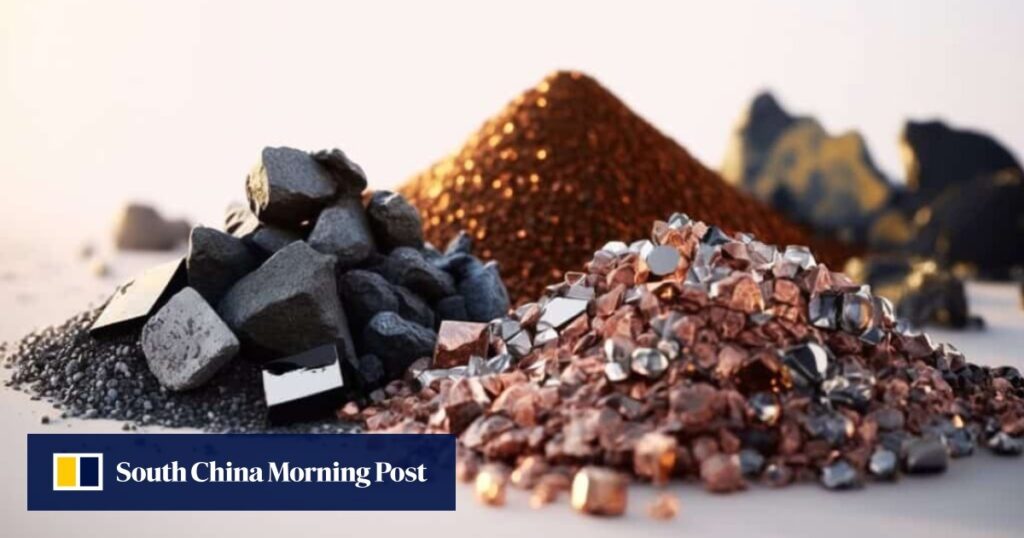
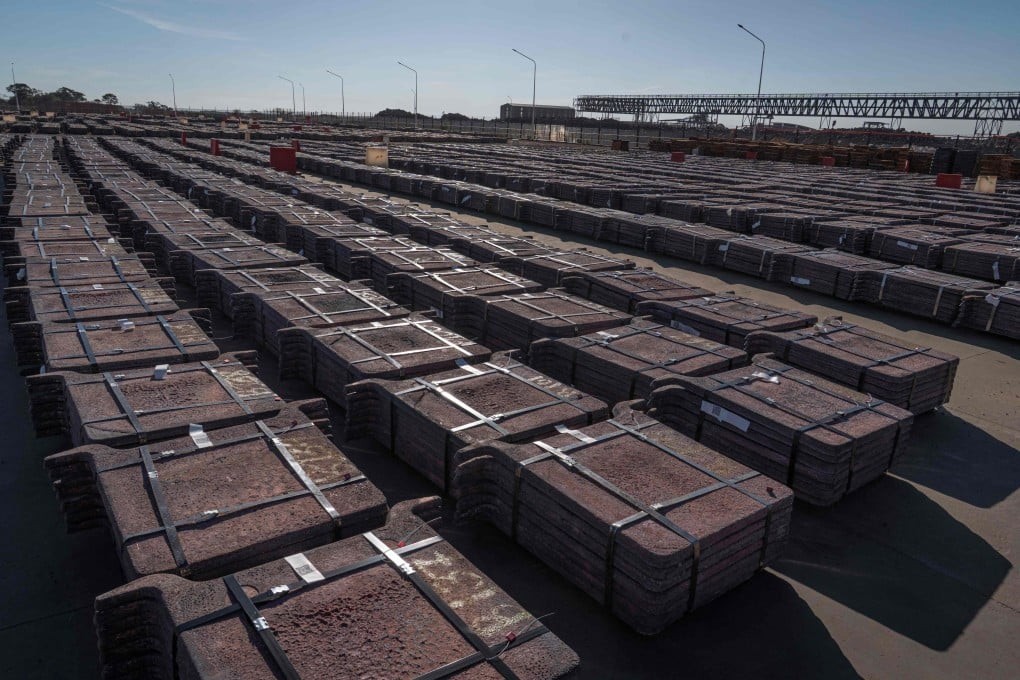
The surge follows Beijing’s expansion of its zero-tariff policy across the African continent in May 2026, a move aimed at deepening trade ties under the Forum on China–Africa Cooperation (FOCAC) framework. Demand for raw materials essential to China’s clean energy and AI infrastructure build-out is accelerating import volumes. Unwrought copper imports from Africa jumped by more than 110 per cent year-on-year in May, reaching US$1.65 billion. Strategic mineral purchases also rose sharply: platinum and spodumene — key inputs for lithium-ion batteries and hydrogen fuel cells — saw substantial increases. Rhodium powder imports surged nearly fivefold in May to exceed US$125 million, according to Chinese customs data.

Crude oil remains top import category

Crude oil imports from Africa climbed 21 per cent in May to US$3.11 billion, making it China’s largest single import category from the region. This growth coincided with sustained disruption to global oil flows through the Strait of Hormuz, exacerbated by the ongoing US-Israel military campaign against Iran — a geopolitical stressor that has redirected procurement toward more stable suppliers, including African producers.

New sectors emerge under tariff-free access

Beyond traditional resource trade, the zero-tariff scheme is catalyzing diversification. Agricultural exports — long hindered by non-tariff barriers and logistical bottlenecks — are gaining traction. Customs records show increased shipments of sesame seeds, shea nuts, and processed cassava from countries including Ethiopia, Nigeria, and Côte d’Ivoire. While specific volume figures for these categories were not disclosed in the source, officials from the Ministry of Commerce of the People’s Republic of China confirmed that over 30 new African agricultural products gained market access in China between March and June 2026 following phytosanitary protocol approvals.

Policy context and implementation scope

The expanded zero-tariff policy now covers 98 per cent of tariff lines for goods originating from 33 eligible African least-developed countries (LDCs), up from 97 per cent previously. Eligibility is tied to the World Trade Organization’s LDC classification and requires compliance with rules of origin certification. The policy took full effect on 1 May 2026, with customs authorities reporting a 37 per cent increase in tariff exemption applications submitted by African exporters in the first 30 days — indicating rapid uptake among small- and medium-sized enterprises.

Source: South China Morning Post

Compiled from international media by the SCI.AI editorial team.
Ask SCI.AI Finished reading? Continue with SCI.AI. Explore the related policy, route, company and historical context. Continue asking
India launches polysilicon incentive scheme targeting 10 GW capacity
South Asia Supply Chain

India launches polysilicon incentive scheme targeting 10 GW capacity

India is launching a new production-linked incentive scheme targeting more than 10 GW of domestic polysilicon capacity to break its 100% reliance on Chinese imports. The move extends ₹240 billion ($2.52 billion) in existing solar manufacturing incentives upstream, complementing over 200 GW of module capacity and a June 2028 target of 80 GW for ingots and wafers. With polysilicon also vital for semiconductors, the policy supports dual industrial goals. However, capital intensity and Chinese scale dominance pose major competitiveness hurdles.

Japan’s 7.1-magnitude quake halts Toyota, Renesas, TSMC plants in Kumamoto
South Asia Supply Chain

Japan’s 7.1-magnitude quake halts Toyota, Renesas, TSMC plants in Kumamoto

A 7.1-magnitude earthquake hit Kumamoto Prefecture in Japan on July 28, 2026, forcing Toyota to halt production at three Kyushu plants — Miyata, Kanda, and Kokura — through July 31. The Miyata plant alone produces 430,000 vehicles annually. Renesas suspended operations at two Kumamoto fabs due to structural damage, while TSMC evacuated staff at its JASM facility before confirming structural safety and beginning gradual restart. Honda extended its Kumamoto motorcycle plant suspension to July 31; Sony halted semiconductor operations in Kumamoto but found no major damage in Nagasaki, Oita, or Kagoshima. Nissan kept its Fukuoka plant running but is closely monitoring supplier networks. Kyushu accounts for ~12% of Japan’s auto component output and >30% of domestic semiconductor wafer production.

India-US ink $20B critical minerals pact amid China dominance concerns
South Asia Supply Chain

India-US ink $20B critical minerals pact amid China dominance concerns

India and the U.S. signed a critical minerals framework on May 26, 2026, paving the way for a $20 billion Quad-led investment initiative. While India holds vast reserves—including the world’s third-largest ilmenite deposits—it processes less than 5% of its rare earth output domestically. Analysts stress India is unlikely to challenge China’s dominance—accounting for over 60% of global rare earth processing—anytime soon due to infrastructure gaps and regulatory delays averaging 7–10 years for new mining approvals.

Welcome Back!

Login to your account below

Create New Account!

Fill the forms below to register

Retrieve your password

Please enter your username or email address to reset your password.

Scan to share via WeChat

Open WeChat and scan the QR code to share

QR Code

Add New Playlist