Skip to content

Coverage desk

Middle East Supply Chain

63 published stories

Saudi-U.S. Nuclear Deal Spurs $34B Supply Chain Race
Middle East Supply Chain

Saudi-U.S. Nuclear Deal Spurs $34B Supply Chain Race

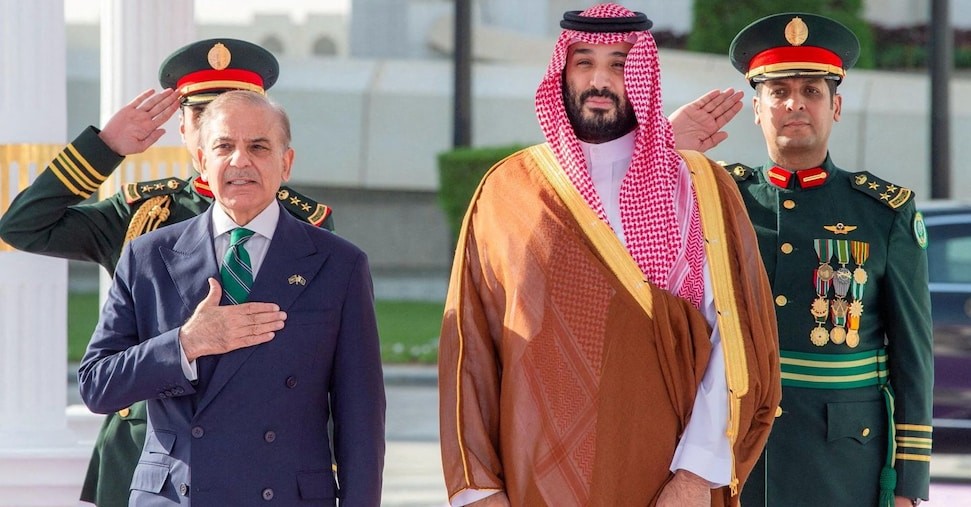
The U.S.-Saudi nuclear agreement signed on 22 July 2026 has triggered a regional contest for dominance over the nuclear supply chain—valued at tens of billions. With Urenco reporting €2.096 billion in 2025 revenue and Orano holding a €34.2 billion order book, five national models (U.S., Russia, China, France, South Korea) compete for Saudi contracts. The Barakah plant in the UAE—supplying 25% of the country’s electricity—demonstrates how localization can occur without enrichment, while Iran’s mature fuel-cycle capabilities pose a strategic counterweight. Congressional review, enrichment rights, and Gulf diplomacy remain pivotal.

DP World inks 50-year Fujairah port concession, adds 4.1M tonnes capacity
Middle East Supply Chain

DP World inks 50-year Fujairah port concession, adds 4.1M tonnes capacity

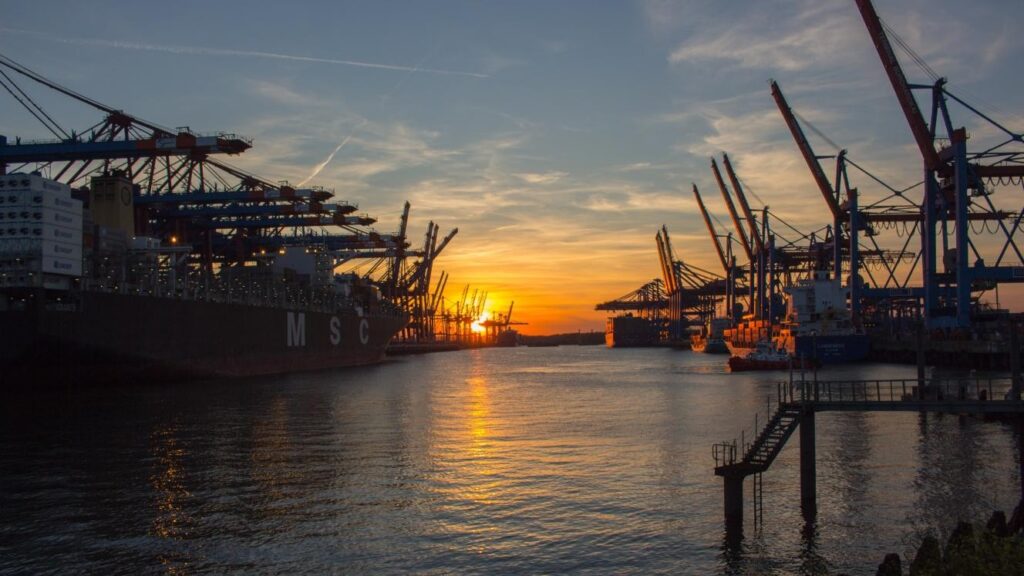
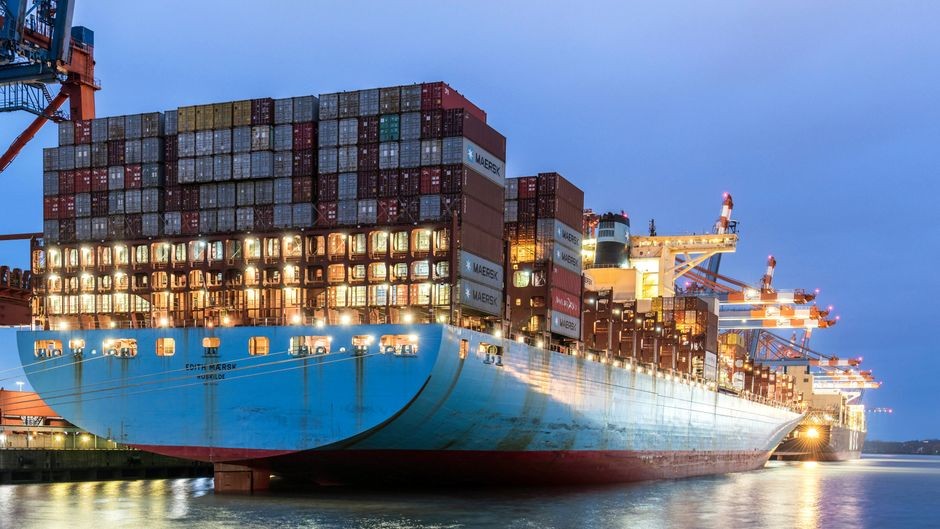
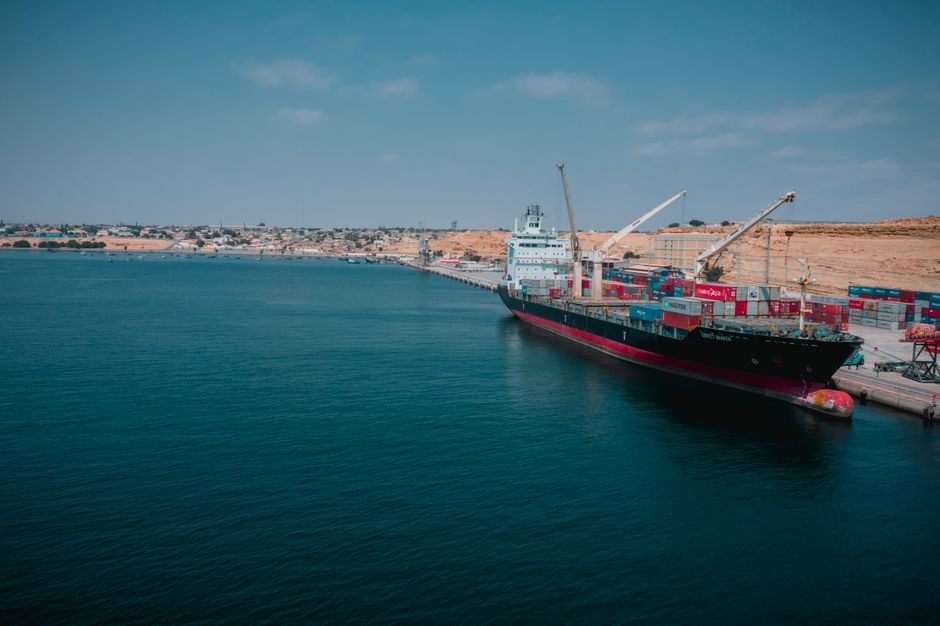
DP World has secured a 50-year concession with Fujairah Ports Authority to develop two new terminals — Al Rugaylat and Dibba — on the UAE’s east coast. The project adds 2.5 million TEU and 4.1 million tonnes of annual cargo capacity, raising DP World’s UAE container handling total from 19.4 million to nearly 22 million TEU. Designed for Ultra Large Container Vessels, the deep-water gateway enhances regional connectivity and trade resilience. Announced on 23rd July 2026, the deal reflects long-term confidence in the UAE’s logistics leadership.

71% of Firms Prioritize Cost-Risk Balance, Yet Only 45% Are Disruption-Ready
Middle East Supply Chain

71% of Firms Prioritize Cost-Risk Balance, Yet Only 45% Are Disruption-Ready

A joint survey by the Institute for Supply Management (ISM) and Amazon Business of 425 global supply chain professionals finds that while 71% now prioritize balancing cost and risk in procurement strategy, only 45% feel prepared for disruptions. Sixty-five percent still rely on manual reporting, and advanced risk tools remain underused: 49% employ risk matrices, and 46% conduct scenario planning. The report advocates a risk-adjusted operating model built on total cost of ownership, supply diversification, network visibility, faster decisions, and expanded scenario planning — all critical for professionals navigating ongoing geopolitical, economic, and operational volatility.

75% of Procurement Pros Cite Middle East Conflict as Top Supply Chain Risk
Middle East Supply Chain

75% of Procurement Pros Cite Middle East Conflict as Top Supply Chain Risk

Global supply chain concerns remain near record highs in Q2 2026, with 75% of procurement professionals citing Middle East conflict as their top risk—surpassing broader geopolitical uncertainty (67%) and Ukraine-related disruptions (33%). Cybersecurity has risen to among the top three expected risks over the next 12 months, while shipping and logistics face input cost increases exceeding 10%. One-third of organizations report direct impacts from evolving US tariff policy, and 37% are actively monitoring trade policy developments. Resilience strategies—including supplier diversification and extended contracts—are now central to procurement strategy, especially in southern Africa.

TSMC pledges $100B Arizona expansion, triggers US supply chain shift
Middle East Supply Chain

TSMC pledges $100B Arizona expansion, triggers US supply chain shift

TSMC has pledged a $100 billion expansion of its Arizona campus, bringing its total U.S. investment commitment to $265 billion. The move will add at least four advanced fabs—bringing the total planned U.S. footprint to 12 facilities—focused on 2nm and below silicon and advanced packaging. Key Taiwanese suppliers including Foxconn, Quanta, and Wistron are accelerating their own U.S. investments. TSMC’s Q2 results showed $40.2 billion in revenue and $21.99 billion in net profit, with margins at 67.7%. Its sub-2nm roadmap targets A14 (2027–2028), A13 and A12 (both 2029).

Red Sea Gateway Terminal pledges $1B for Bangladesh logistics
Middle East Supply Chain

Red Sea Gateway Terminal pledges $1B for Bangladesh logistics

Saudi port developer Red Sea Gateway Terminal (RSGT) has pledged up to $1 billion for Bangladesh’s logistics sector, following its full-scale launch at Chittagong Port’s Patenga Container Terminal. Since assuming operations in June 2024 under a 22-year agreement, RSGT invested $170 million in infrastructure upgrades. It aims to handle 400,000 TEU in 2026 (12% of Chittagong’s volume) and over 500,000 TEU in 2027 (17%). Leadership cited unwavering confidence in Bangladesh’s economic potential amid global uncertainty. The investment includes inland hubs, digital freight tools, and sustainable port tech.

Iran conflict tests 2026 air cargo outlook amid 6% YoY demand rise
Middle East Supply Chain

Iran conflict tests 2026 air cargo outlook amid 6% YoY demand rise

Escalating conflict among Iran, the U.S., and Israel is disrupting 2026 air cargo forecasts, despite a 6% year-over-year demand rise in February. Key Middle East corridors—critical for pharmaceuticals and retail shipments—are now constrained, prompting carriers like Emirates SkyCargo to limit freighter operations. Rerouting has added 12–24 hours to transit times and raised fuel surcharges up to 18%. Seventy-three percent of large shippers have activated secondary routing, and 41% increased safety stock by at least 15%. Regulatory bodies have issued updated overflight restrictions effective March 2026.

Frankfurt cargo volumes fall 19.8% from Middle East amid strikes
Middle East Supply Chain

Frankfurt cargo volumes fall 19.8% from Middle East amid strikes

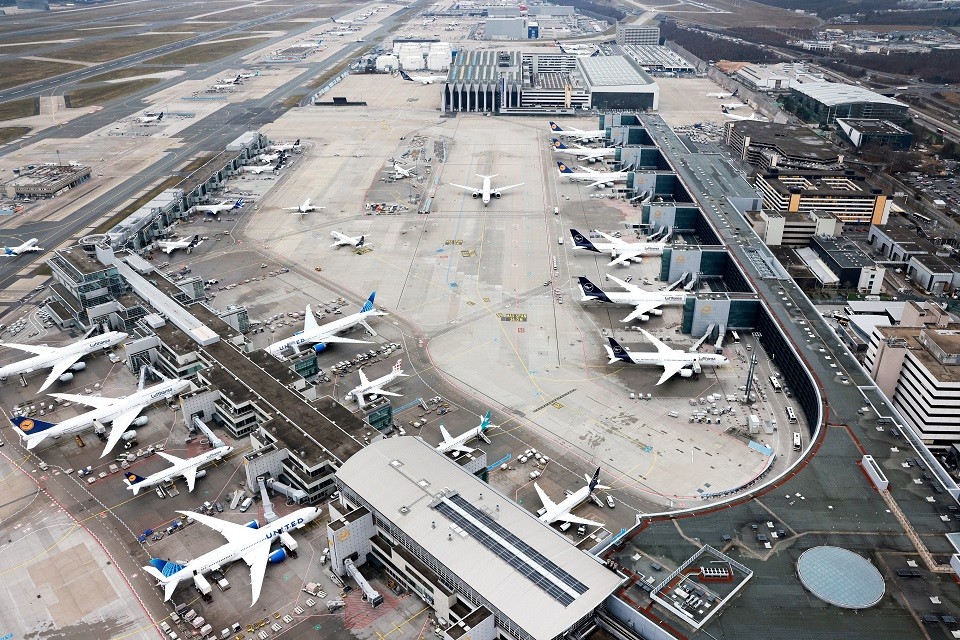
Frankfurt Airport handled 1 million tonnes of cargo in H1 2026 — up 1% YoY — but volumes from the Middle East plunged 19.8% due to airspace restrictions stemming from the Iran conflict. A six-day Lufthansa strike in April and grounding of its A321P2F fleet further depressed performance, contributing to a 6.9% decline in European traffic. Far East volumes rose 7%, aided by e-commerce and route diversions, while Africa saw an 11% surge. E-commerce growth moderated after the EU introduced a €3 customs duty on low-value imports.

Supply Chain ETA Accuracy Overstates Reality by 36 Points
Middle East Supply Chain

Supply Chain ETA Accuracy Overstates Reality by 36 Points

Supply chain visibility vendors tout 90% ETA accuracy, but that figure applies only to trackable shipments — just 60% of total volume for a major e-commerce operator. Effective accuracy across all shipments drops to 54%, exposing a 36-point gap rooted in survivorship bias. McKinsey’s 2024 survey shows tier-2+ visibility covers only 30% of leaders, down 7 points year-on-year. Meanwhile, the $2.5 trillion global trade finance gap persists, unchanged since 2023, due to unverified cargo data. Regulatory deadlines — EU Data Act (2025), Battery Passport (2027), CSRD Scope 3 (2027–2028) — now force standardisation needed for cargo-event finance integration.

Ford, Nestlé file for tariff exemptions amid 60-nation trade probe
Middle East Supply Chain

Ford, Nestlé file for tariff exemptions amid 60-nation trade probe

Ford, Nestlé, and at least 42 other companies have filed 120+ tariff exemption requests amid a Trump administration trade probe spanning 60 nations. Petitions cite critical shortages: U.S. suppliers meet less than 12% of demand for key packaging films; domestic lead times exceed 26 weeks for some automotive alloys; and cost premiums reach 35%. Exemption decisions are expected no earlier than Q4 2026. Procurement teams face line re-engineering risks if relief is denied.

58% of Chinese Supply Chain Execs to Diversify Sourcing
Middle East Supply Chain

58% of Chinese Supply Chain Execs to Diversify Sourcing

A DP World survey of 292 Chinese supply chain executives reveals that 58% plan to diversify sourcing in 2026 — surpassing the global average of 51%. Near-shoring (38%) and friend-shoring (36%) follow closely. Executives show strong confidence in trade resilience: 43% expect accelerated global trade growth in 2026, and 50% foresee stable conditions versus 2025. AI deployment is the top tech priority (50%), ahead of digitalisation (44%). Customs clearance remains the top operational bottleneck, while border infrastructure ranks highest for future investment (55%). DP World, managing 10% of global containerised trade, reports rising demand for integrated logistics solutions across e-commerce, automotive, and healthcare sectors.

JSW MG India raises Windsor EV localisation to 70%+
Middle East Supply Chain

JSW MG India raises Windsor EV localisation to 70%+

JSW MG Motor India plans to raise localisation of its MG Windsor EV to over 70% to reduce supply chain risks and support double-digit sales growth in 2026. Launched in October 2024, the Windsor has achieved 75,000 cumulative wholesale units in 21 months, averaging 3,700 units monthly. Priced between ₹14.09 lakh and ₹18.60 lakh, it draws 30% of sales from India’s four metros and 70% from other regions. The company sold 70,554 total units in 2025 and 4,056 Windsor units in June 2026.

Welcome Back!

Login to your account below

Create New Account!

Fill the forms below to register

Retrieve your password

Please enter your username or email address to reset your password.

Add New Playlist