

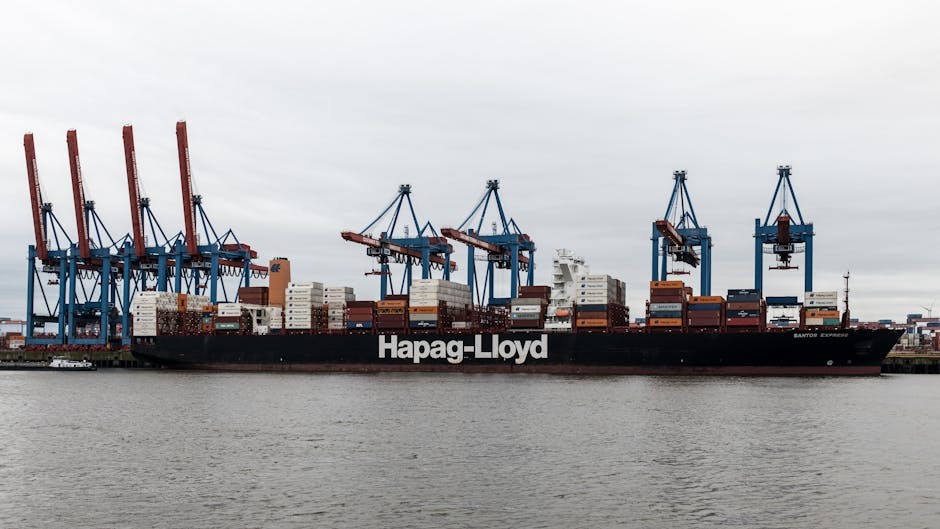
SAP launches AI-powered logistics management SaaS platform to help smaller logistics operations run with the efficiency of large global supply chains.
Global enterprise software provider SAP has launched SAP Logistics Management, a new AI-powered solution designed to help smaller logistics operations run with the efficiency, visibility and connectivity of large global supply chains.
The SaaS-native platform is built to support local branches, satellite warehouses and regional distribution centres, giving them access to advanced logistics tools without the complexity typically associated with enterprise-scale systems.
## Core Features of SAP Logistics Management Platform
SAP Logistics Management platform integrates warehousing and transportation management, embedded artificial intelligence and real-time collaboration through the SAP Business Network. The solution aims to improve fulfilment efficiency, reduce delays and give logistics teams faster access to operational insights.
The platform enables logistics teams to manage pick-pack-ship processes, freight planning and shipment coordination within a single environment, helping to streamline order fulfilment and improve operational visibility.
## AI-Powered Logistics Designed for Smaller and Satellite Operations
While SAP’s broader supply chain portfolio supports complex global logistics networks, SAP Logistics Management focuses on the needs of smaller operations that require agility, rapid deployment and simplified workflows.
Built as a cloud-based SaaS solution, SAP Logistics Management can be deployed in days and scaled as operations grow, providing real-time dashboards and analytics to support faster decision-making.
Till Dengel, Global Head of Product Marketing for Logistics at SAP, said companies are increasingly investing in smarter logistics infrastructure to remain competitive.
“Logistics is undergoing a fundamental transformation. Those who invest in strategic warehousing and logistics networks are investing in a future defined by responsiveness and relevance. It’s about being ready, connected and purposeful.”
## Embedded AI and Natural Language Tools Accelerate Decision-Making
Artificial intelligence plays a central role in the new platform, helping logistics teams automate processes and respond faster to operational challenges.
Users can interact with the system through Joule, SAP’s AI copilot, using natural language to retrieve information, analyse logistics data and make operational decisions.
Augusta Spinelli, President Europe, Middle East and Africa (EMEA) at SAP, said the solution is designed to make advanced logistics capabilities accessible to operations of all sizes.
“SAP Logistics Management is our new AI-powered, SaaS-native solution designed to give local and satellite operations the visibility, intelligence and agility they need to operate like global leaders.”
## Seamless Integration with SAP Cloud ERP and Logistics Ecosystem
SAP Logistics Management integrates directly with SAP Cloud ERP Private, enabling companies already running SAP systems to connect regional logistics operations with their broader enterprise infrastructure.
The platform also works alongside SAP’s existing transportation and warehouse management solutions, creating a unified logistics ecosystem that eliminates interface integrations and aims to improve data consistency.
Through the SAP Business Network, shippers can collaborate with carriers and logistics partners in real time, helping to minimise delays and maintain supply chain continuity.
## Impact on Supply Chain Digital Transformation
The launch of SAP Logistics Management marks a significant milestone in supply chain digital transformation. As businesses increasingly rely on digital platforms to optimize operations, this AI-driven SaaS solution provides small and medium-sized enterprises with advanced capabilities previously accessible only to large corporations.
The platform’s emphasis on real-time collaboration, data-driven insights, and agile deployment reflects key trends in modern supply chain management. By lowering the barrier to entry for advanced logistics technology, SAP is helping businesses of all sizes build more resilient and responsive supply chains.
## Future Outlook
As AI and cloud computing technologies continue to evolve, we can expect to see more similar SaaS platforms emerge, further democratizing supply chain management capabilities. SAP Logistics Management sets a new standard for the industry, demonstrating how AI, cloud-native architecture, and user-centric design can combine to create truly transformative supply chain solutions.
For logistics operations seeking digital transformation, SAP Logistics Management offers a promising path to combine the efficiency of local operations with the connectivity of global networks, laying the foundation for more resilient and responsive supply chains in the future.
The launch of SAP Logistics Management marks a significant milestone in supply chain digital transformation, providing SMEs with advanced capabilities previously accessible only to large corporations.
Source: EME Outlook Magazine | This article was generated with AI assistance


