

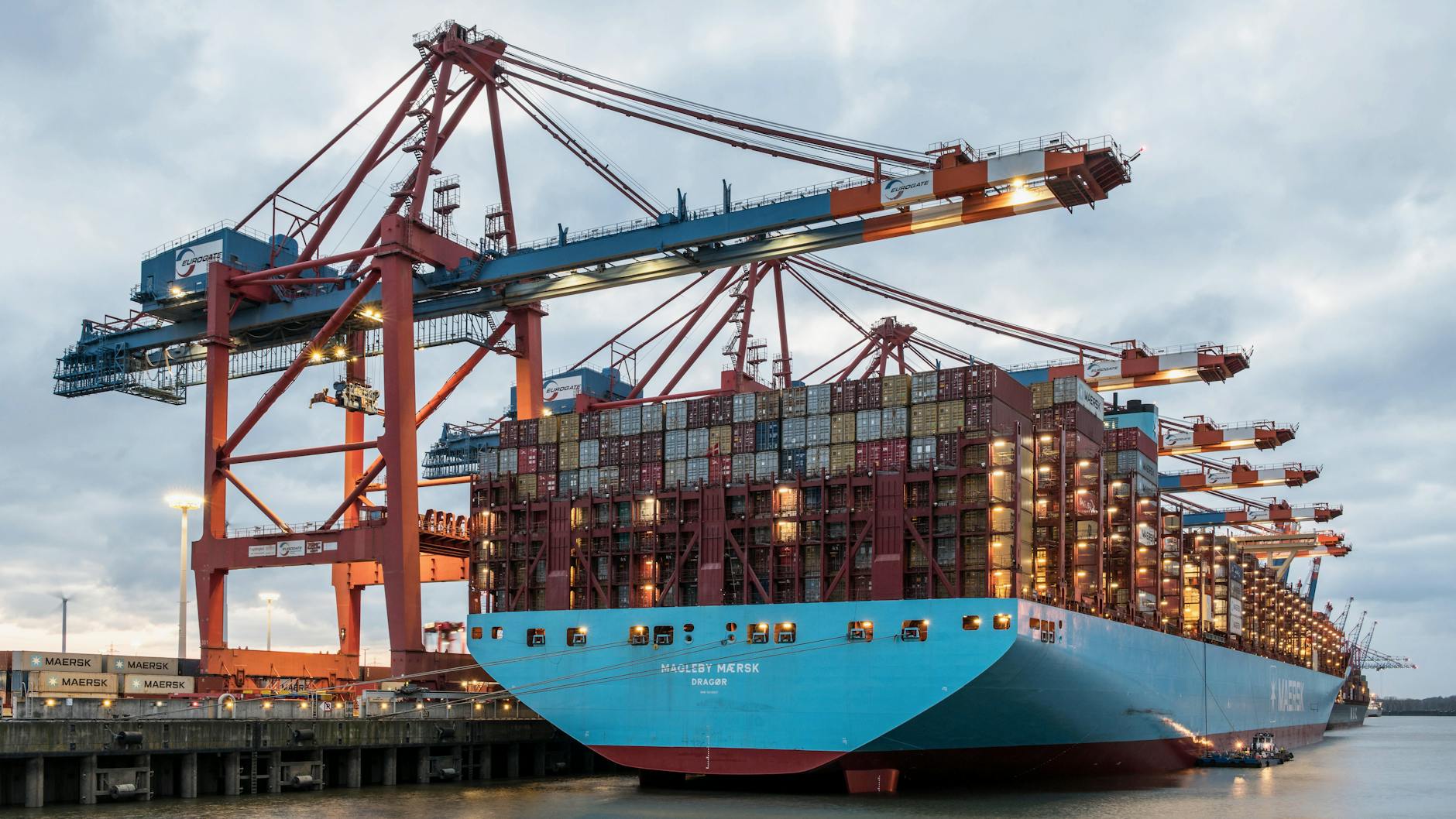
As the European Union (EU) continues to advance its regulatory agenda, the logistics industry, particularly third-party logistics providers (3PLs), finds itself at the forefront of these changes. From sustainability to digital transformation, the EU’s regulatory environment is evolving, and 3PLs must adapt to remain compliant and competitive. This article delves into ten crucial EU logistics regulations set to impact 3PL operations in 2026.
The Corporate Sustainability Reporting Directive (CSRD)
Effective as of 2023, the CSRD mandates that companies disclose sustainability information in their annual financial reports. This extends to 3PLs, compelling them to track and report on their environmental impact, including carbon emissions and energy usage. 3PLs must invest in sophisticated tracking tools and sustainability reporting systems to meet these requirements. The CSRD not only promotes transparency but also positions 3PLs with robust sustainability practices as preferred partners.
EU Emissions Trading System (ETS) Expansion to Transport
The ETS, which originally focused on the energy sector, is now expanding to include the transportation sector. This expansion directly impacts logistics providers, especially those relying on carbon-intensive transportation methods. 3PLs are under increasing pressure to optimize transportation efficiency and adopt greener alternatives, such as electric vehicles and alternative fuels. This shift necessitates a reevaluation of operational strategies and carrier contracts to align with the ETS’s emissions performance standards.
Carbon Border Adjustment Mechanism (CBAM)
The CBAM requires importers into the EU to pay for the carbon emissions embedded in their products. While primarily targeting manufacturers and importers, 3PLs play a crucial role in ensuring compliance. This involves assisting clients with emissions documentation, shipment tracking, and customs coordination. 3PLs are evolving into compliance infrastructure partners, offering compliance consulting and documentation management services.
EU Logistics Regulations: Impact on 3PLs
The aforementioned regulations are just a snapshot of the broader regulatory landscape impacting 3PLs. Here’s a summary of the key regulations and their impact:
- Corporate Sustainability Reporting Directive (CSRD): Forces 3PLs to invest in emissions tracking and reporting systems, enhancing their environmental performance.
- EU Emissions Trading System (ETS) Expansion to Transport: Requires 3PLs to optimize transportation efficiency and adopt greener alternatives.
- Carbon Border Adjustment Mechanism (CBAM): Makes 3PLs critical partners in ensuring compliance with emissions reporting and customs coordination.
These regulations are not just compliance requirements; they are opportunities for 3PLs to differentiate themselves in the market. By demonstrating environmental responsibility and efficiency, 3PLs can secure contracts with environmentally conscious clients and maintain a competitive edge.
Preparing for the Future: The Role of Technology
As the EU’s regulatory landscape continues to evolve, technology will play a pivotal role in enabling 3PLs to navigate these changes. Here are a few key technologies that 3PLs should consider:
- AI and Machine Learning: For predictive analytics, route optimization, and demand forecasting.
- Blockchain: For supply chain traceability and transparency.
- Robotic Process Automation (RPA): For automating repetitive tasks and reducing errors.
By embracing these technologies, 3PLs can not only ensure compliance with regulations but also improve operational efficiency and enhance customer satisfaction.
The Road Ahead: A Collaborative Approach
The EU’s regulatory changes present both challenges and opportunities for 3PLs. By embracing sustainability, efficiency, and technology, 3PLs can position themselves as strategic partners in the evolving logistics landscape. Collaboration between 3PLs, technology providers, and regulatory bodies will be key to navigating these changes successfully.
Source: www.logos3pl.com
This article was AI-assisted and reviewed by our editorial team.


