

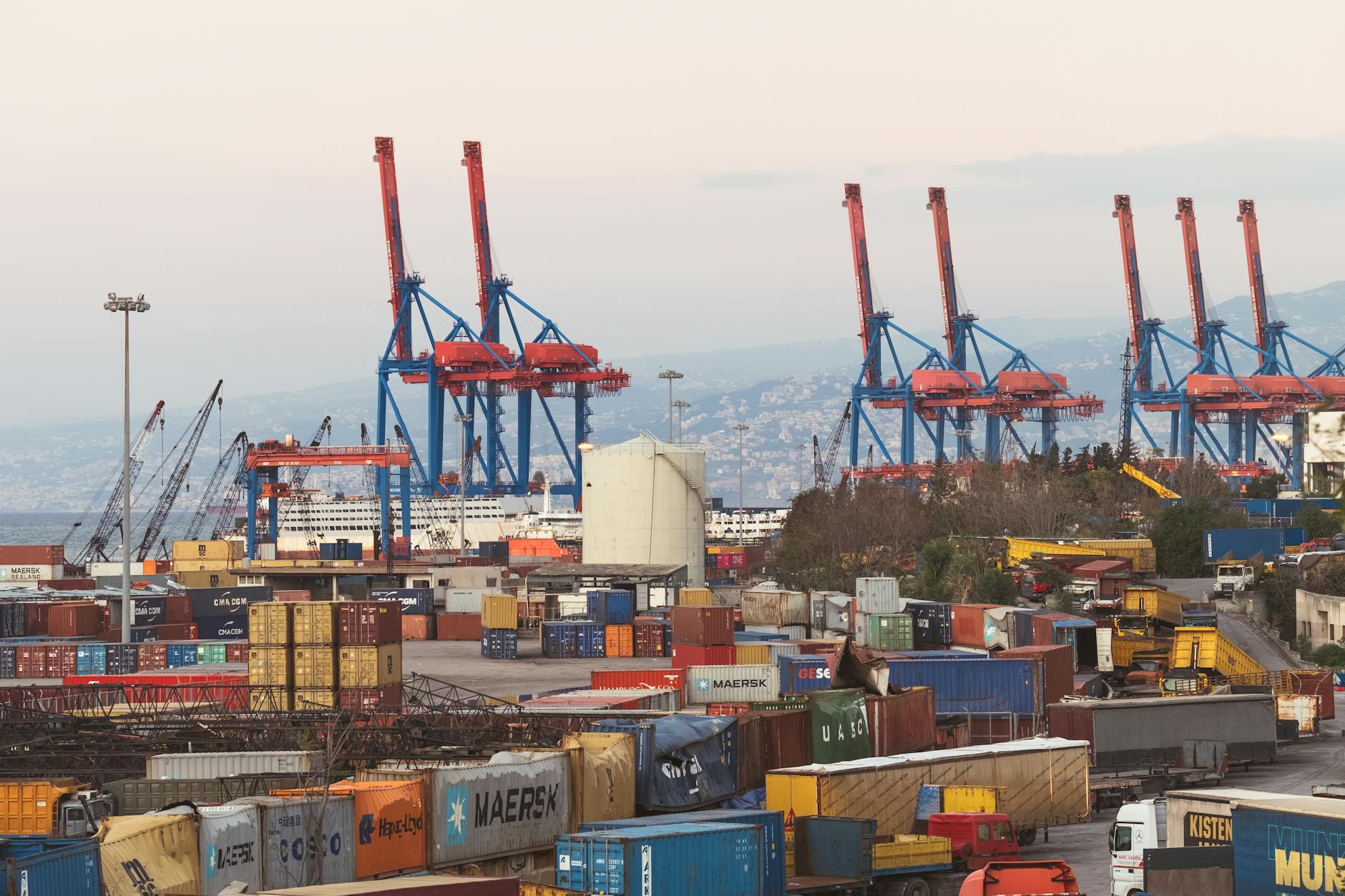
The global supply chain landscape is undergoing a significant transformation, driven primarily by tariff volatility and geopolitical disruptions. As we approach 2026, companies are increasingly focusing on supplier diversification and regional realignment, trends that have been accelerated by the COVID-19 pandemic. This article delves into the implications of these changes, analyzing the shift from cost optimization to risk diversification, the role of technology in orchestrating supply chains, and the broader implications for global trade.
The Shift from Cost Optimization to Risk Diversification
For decades, procurement strategies have been centered around supplier rationalization, aiming to consolidate spend with fewer vendors to negotiate lower per-unit costs. However, this approach has created supply chains that are overly dependent on specific factories or countries, making them vulnerable to disruptions. Tariff volatility is now accelerating a broader shift away from single-country sourcing and hyper-concentrated supplier portfolios. Tanguy Caillet, Genpact’s global supply chain lead, emphasizes the need for dual, triple supply options to enhance resiliency within supplier networks. “Can you also have resiliency into your supplier network by having dual, triple supply options? So eliminate your single source suppliers, which you had for a long time,” Caillet said.
This shift towards risk diversification doesn’t always involve uprooting factories, which can be costly and time-consuming. Instead, many companies are redesigning logistics routes, increasing multi-sourcing strategies, or leveraging bonded warehouses and tariff-friendly trade corridors to reduce exposure. In some cases, firms are willing to pay higher transportation costs if it reduces duty burdens. In others, they are building optionality, treating supplier portfolios more like financial portfolios, with built-in hedges and alternative pathways.
The Role of Technology in Orchestrating Supply Chains
Technology, particularly AI layered on top of foundational systems, will be critical in managing the next phase of trade volatility. Tanguy Caillet emphasizes the importance of this orchestration layer at the top. “It’s all about this orchestration layer at the top,” he said. Companies must first modernize their core data infrastructure, ensuring clean data, integrated planning systems, procurement systems, and supplier relationship management tools are in place. From there, AI can connect external geopolitical signals, such as tariff changes or supplier risk alerts, with internal data to model impact scenarios.
This technology-driven approach allows companies to respond quickly to tariff swings without scrambling for outside help. By leveraging AI and advanced analytics, companies can gain insights into potential disruptions and proactively manage their supply chains. This shift towards technology-driven supply chain management is not just about efficiency; it’s about resilience and adaptability in the face of ever-changing global trade dynamics.
The Broader Implications for Global Trade
The shift towards regionalization and risk diversification has significant implications for global trade. It is leading to a kind of deglobalization of supply chains, where companies are seeking to reduce their dependence on specific regions or countries. This trend is likely to continue as companies seek to mitigate the risks associated with geopolitical tensions and tariff volatility.
However, this shift also presents opportunities. By diversifying their supplier networks and regionalizing their operations, companies can gain greater flexibility and resilience. They can also benefit from lower transportation costs and shorter lead times. This shift towards regionalization and risk diversification is likely to lead to a more balanced and resilient global supply chain ecosystem.
Conclusion
The 2026 regional reset in the global supply chain landscape is a direct response to the challenges posed by tariff volatility and geopolitical disruptions. The shift from cost optimization to risk diversification, the role of technology in orchestrating supply chains, and the broader implications for global trade are all critical aspects of this transformation. As companies continue to adapt and evolve, they will be better positioned to navigate the complexities of the global trade environment and build more resilient and adaptable supply chains.
Source: www.freightwaves.com
This article was AI-assisted and reviewed by our editorial team.


