

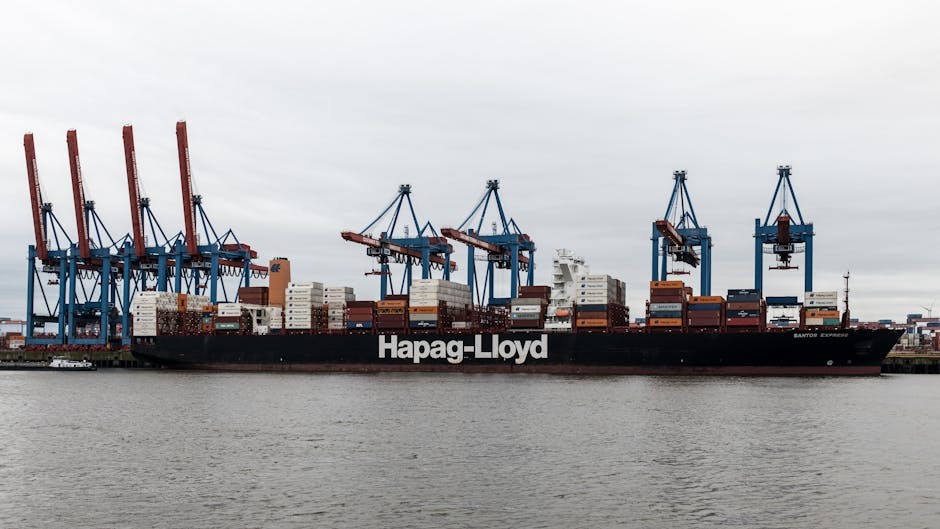
Amidst the tumultuous changes in the global supply chain landscape, one trend stands out as a beacon of hope and efficiency: Nearshoring in Mexico. This strategic shift is reshaping the contours of global manufacturing, offering a viable alternative to the traditional long-distance supply chains that have dominated the industry for decades.
The Great Migration: From China to the Border
The once insurmountable allure of China as the world’s manufacturing hub has begun to wane. The reasons are manifold: escalating labor costs, geopolitical uncertainties, and the logistical hurdles exacerbated by the COVID-19 pandemic. As a result, companies are seeking greener pastures, and Mexico is emerging as the preferred destination for nearshoring.
By moving production closer to North American markets, companies can significantly cut down lead times. For instance, the journey of a container from China to the United States can take several weeks, whereas products manufactured in Mexico can reach US markets in just a few days. This proximity not only reduces costs but also enhances responsiveness to market demands.
- Reduction in Lead Times: From weeks to days.
- Cost Efficiency: Lower transportation and logistics costs.
- Market Responsiveness: Quicker adaptation to market changes.
Why Mexico? The Competitive Edge
Mexico’s rise as a manufacturing powerhouse is not a mere fluke. Several factors have contributed to its emergence as a preferred nearshoring destination:
1. USMCA Framework: The United States-Mexico-Canada Agreement (USMCA) has provided a stable legal and economic foundation for cross-border investment, fostering a conducive environment for nearshoring.
2. Skilled Workforce: Mexico boasts a highly skilled labor force, particularly in sectors such as automotive, aerospace, and electronics. This expertise is a significant draw for foreign investors looking to establish manufacturing operations.
3. Investment Surge: According to Deloitte, investment in Mexican industrial parks reached record highs in 2023, with a 30% increase driven by demand from foreign firms seeking to capitalize on regional proximity.
- USMCA: A stable legal framework for cross-border investment.
- Skilled Workforce: Specialization in key sectors such as automotive and aerospace.
- Investment Surge: Record-high investment in Mexican industrial parks.
STT Logistics Group: Your Strategic Partner
Navigating the complexities of nearshoring in Mexico requires a partner with deep expertise and a robust infrastructure. STT Logistics Group is that partner, offering a seamless bridge between North American and Mexican markets.
Our cross-border expertise ensures that your freight moves through customs with minimal delays. Our strategic warehousing facilities, located at key ports of entry, optimize your distribution processes. Additionally, our real-time tracking capabilities provide total visibility over your inventory, allowing you to maintain control at all times.
- Cross-Border Expertise: Smooth customs clearance.
- Strategic Warehousing: Optimized distribution facilities.
- Real-Time Tracking: Total inventory visibility.
Conclusion
The shift towards nearshoring in Mexico is not a fleeting trend; it is a structural change in the global manufacturing landscape. By partnering with STT Logistics Group, your company can capitalize on this strategic shift and thrive in the new era of proximity-based manufacturing.
Source: sttlogisticsgroup.com
This article was AI-assisted and reviewed by our editorial team.


