

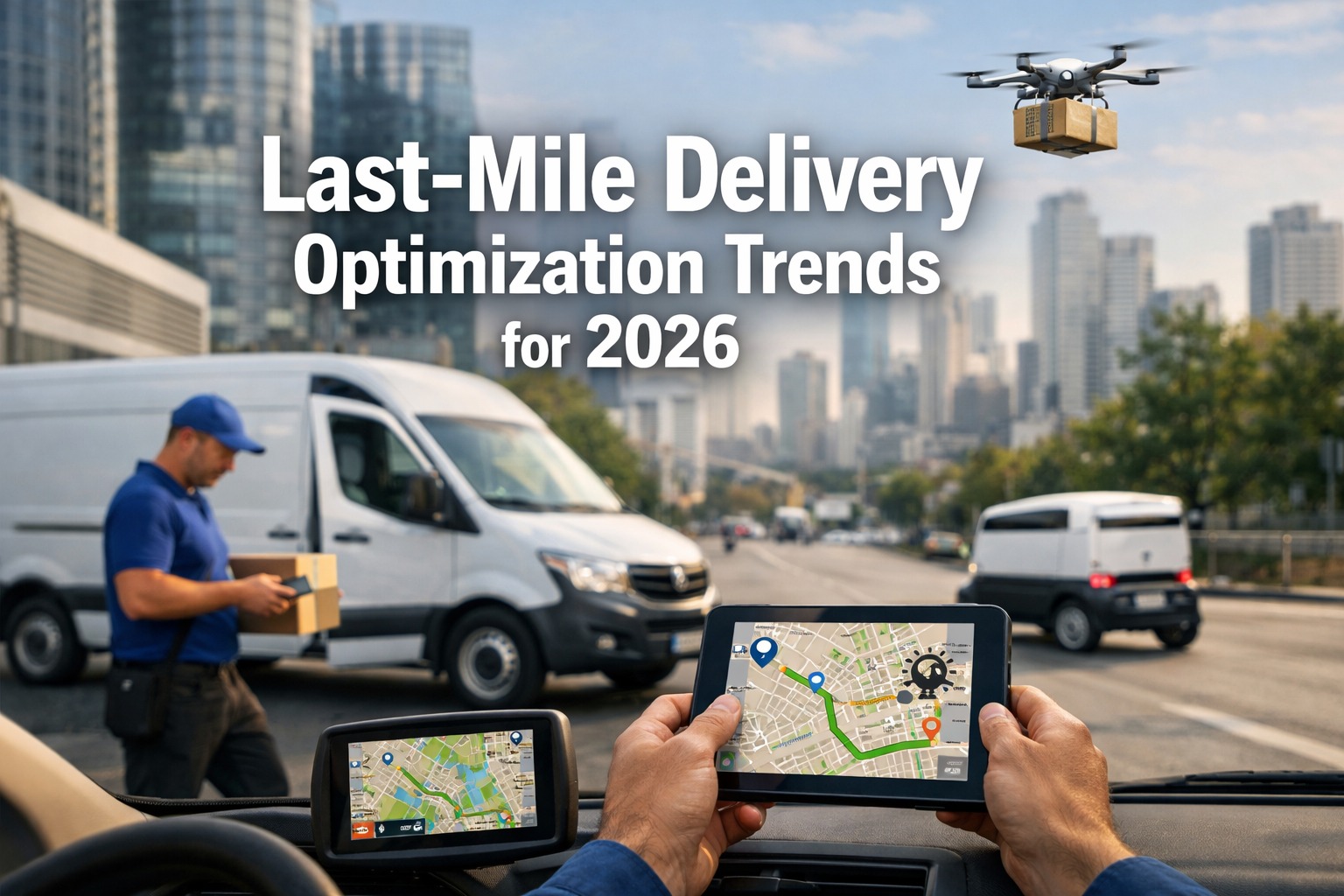
The cost of last-mile delivery now accounts for a staggering 53% of total shipping costs, up from just 41% in 2018. This shift is driven by consumer expectations that have grown exponentially with the rise of e-commerce. Companies are investing heavily in technologies like AI and automation to meet these demands.
The Rising Cost and Consumer Expectations in Last-Mile Delivery
In recent years, the cost of last-mile delivery has significantly increased, now accounting for 53% of total shipping costs, up from just 41% in 2018. This shift is driven by consumer expectations that have grown exponentially with the rise of e-commerce. Today, an astonishing 80% of consumers expect same-day delivery options, and a significant 77% want their orders delivered within two hours. These high standards for speed and convenience place immense pressure on logistics companies to innovate and optimize their processes.
The gap between consumer expectations and operational realities has sparked an innovation boom in the last-mile delivery sector. Companies are investing heavily in technologies like AI, automation, and real-time visibility systems to meet these demands. This investment is critical not just for cost savings but also for customer satisfaction—98% of consumers say that their brand loyalty is directly influenced by the quality of their delivery experience.
The Role of AI in Route Optimization
One of the most transformative technologies in last-mile logistics is artificial intelligence (AI). AI-powered route optimization systems have already been adopted by 45% of fleets and can lead to cost savings ranging from 15-30%. These systems analyze real-time traffic data, accidents, and other variables to dynamically reroute deliveries. This not only reduces delivery times but also increases the accuracy of estimated time of arrivals (ETAs) by up to 40%.
The benefits of AI in route optimization extend beyond mere cost savings. They enable logistics companies to operate more efficiently, which is crucial as consumer expectations for rapid delivery continue to rise. For smaller and medium-sized fleets looking to implement these technologies, the initial investment ranges from $200-500 per vehicle, but can yield efficiency gains of up to 15-20%. As AI continues to evolve, it will play an increasingly critical role in shaping the future of last-mile delivery.
The Expansion of Micro-Fulfillment Centers
Micro-fulfillment centers are another emerging trend that is reshaping the landscape of last-mile logistics. These small facilities, which are strategically located closer to urban areas, enable retailers and e-commerce companies to offer same-day or two-hour delivery options more efficiently. The market for micro-fulfillment centers is growing at a compound annual growth rate (CAGR) of 34.7%, with the potential to reduce operational costs by as much as 35-40%.
The rise of these facilities is driven by their ability to meet the needs of urban consumers, who demand rapid delivery and often have shorter windows for receiving packages. By positioning inventory closer to end-users, micro-fulfillment centers reduce transportation costs and enable faster fulfillment times, which are critical in a market where 55% of consumers are willing to pay an extra $5 or more for same-day delivery options.
The Emergence of Autonomous Delivery Systems
The development of autonomous vehicles is poised to revolutionize last-mile delivery. While still in the early stages, pilot programs for autonomous delivery robots have demonstrated significant potential, with some systems completing over 100,000 deliveries. Companies like Serve Robotics and DoorDash are at the forefront of this movement, deploying thousands of robots that can navigate both sidewalks and roads to deliver packages. These vehicles promise cost savings of more than 50% per delivery compared to traditional methods.
The growth in autonomous delivery is not limited to ground-based systems; drones also represent a significant opportunity. By 2030, the market for delivery drones is expected to reach $4.4 billion, growing at a CAGR of 32%. This expansion reflects broader industry trends towards increased automation and the use of robotics in logistics, driven by the need to meet consumer demands while reducing costs and improving efficiency.
The Shift Towards Electric Delivery Vehicles
The rise of electric delivery vehicles is another key trend that will impact last-mile logistics. As many as 87% of companies plan to adopt these vehicles within five years, driven by both environmental concerns and the potential for significant fuel savings—up to 40-50%. Electric vehicles not only offer lower total cost of ownership (TCO) but also align with broader sustainability goals that are increasingly important to consumers.
The adoption of electric delivery vehicles is part of a larger trend towards greener logistics solutions. This shift is supported by advancements in battery technology, which have made electric vehicles more viable for longer and more frequent routes. As the infrastructure continues to improve and costs decrease, electric fleets will become an increasingly common sight on city streets.
The Future of Last-Mile Delivery: Beyond 2026
Looking beyond 2026, the future of last-mile delivery is likely to be defined by even more advanced technologies. Digital twins, which are virtual replicas of physical systems used for simulation and analysis, will play a crucial role in optimizing operations further. Extreme autonomous vehicle integration, enhanced through edge AI processing capabilities, will enable real-time optimization powered by 5G networks.
These advancements promise to create logistics ecosystems that are not only more efficient but also more resilient and adaptable to changing consumer demands. As these technologies mature and become more integrated into daily operations, they will transform the last-mile delivery landscape in ways we can only begin to imagine today. The key for companies will be to remain agile and continuously innovate to stay ahead of both technological advancements and shifting market expectations.
Source: fleetrabbit.com


