

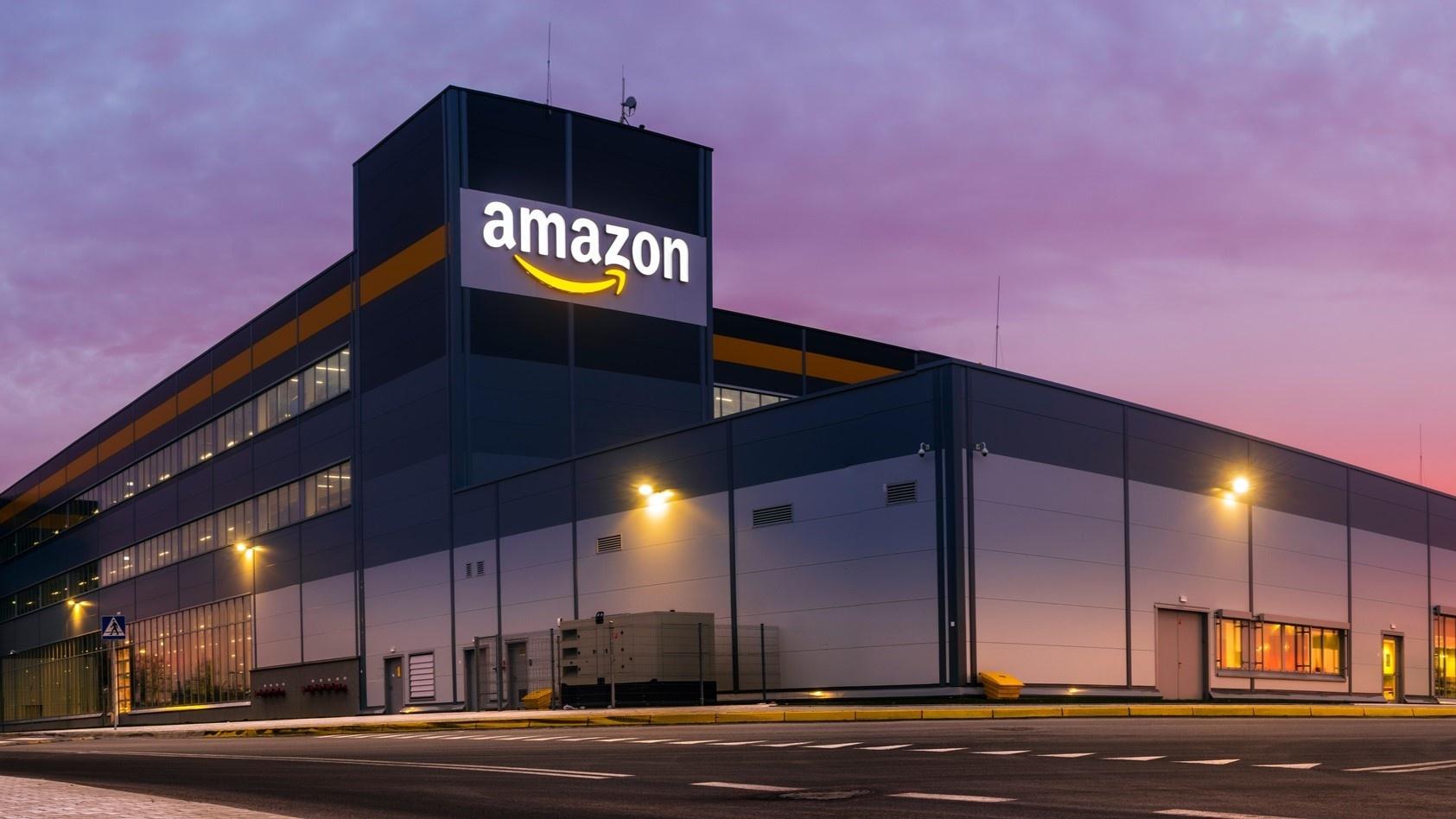
Amazon is Revolutionizing E-commerce with Over 750,000 AI-Driven Robots in Supply Chain Logistics
Amazon Revolutionizes E-commerce with AI Robots
Amazon is revolutionizing the e-commerce industry with its fleet of over 750,000 AI-driven robots.
Adobe Stock
The e-commerce giant Amazon has always been at the forefront of technological innovation, and perhaps one of its most impressive achievements is how it uses artificial intelligence (AI) and robotics to transform operations. Recently, I had the opportunity to speak with Tye Brady, CTO of Amazon Robotics, who delved into how Amazon leverages AI robots to change our shopping and delivery experiences.
The World’s Largest Fleet of Industrial Mobile Robots
When it comes to robotics, Amazon is not just dipping its toes in the water but fully committing. According to Brady, “Amazon has the world’s largest fleet of industrial mobile robots, with over 750,000 drive units alone.” These robots are more than simple machines; they are powered by complex AI systems that navigate intricate warehouse environments and seamlessly collaborate with human employees.
One of the most impressive innovations Brady shared is the Hercules drive unit. These mobile robots have completely transformed traditional warehouse operations. Instead of having workers shuttle back and forth between long rows of shelves, these robots bring entire shelves directly to the worker. Brady explained, “We can now move these inventory shelves very efficiently on demand and store them with a very high packing efficiency.” This system increases storage density by up to 40% compared to traditional systems.
AI-Powered Perception and Navigation
But it’s not just about moving shelves. Amazon’s latest robot, Proteus, further enhances operational efficiency. This autonomous mobile robot is certified to work safely around people due to its advanced AI-powered perception system. Brady enthusiastically described how Proteus navigates crowded spaces like a person at a cocktail party. “It uses a whole suite of sensors and moves gently when it has the opportunity to complete tasks.”
What makes Proteus particularly unique are its human-like features. It has eyes and visual indicators that help human employees understand its intentions. Brady explained, “If Proteus wants to turn, it will shift its gaze in that direction, and humans can immediately see ‘oh, it’s going to turn right.’” This human-robot interface design is crucial for creating a harmonious working environment where robots and humans collaborate effectively.
Transforming the Entire Supply Chain
Amazon’s use of AI robots extends beyond warehouses. Brady outlined the application of robotics and AI throughout the supply chain, from the “first mile” of storage and preparation for shipment, through the “middle mile” of sorting and regional distribution, to the “last mile” delivery right to customers’ doors.
For example, in sorting centers, robotic arms have sorted over 3 billion packages. The recently announced Sequoia system, a containerized storage solution, has reduced order processing time by 25%. These innovations help Amazon push the boundaries of e-commerce logistics, achieving faster delivery times and higher efficiency.
A Future of Human-Robot Collaboration
One of the most compelling aspects of Amazon’s robotics approach is its focus on human-robot collaboration. Amazon does not aim for full automation but sees robots as tools to enhance human capabilities. Brady emphasized, “We use robots and automation, especially AI-driven technologies, to extend human capability so people can do their jobs better.”
This collaborative approach is not just about efficiency; it’s also about creating better, safer job positions. Since making a significant investment in robotics ten years ago, Amazon has created 700 new types of robot-related jobs. Brady is keen on eliminating “tedious, monotonous, repetitive” tasks so that human employees can focus on higher-level problem-solving and customer service.
The Road Ahead
Looking ahead, Brady sees exciting possibilities in cloud-connected robots that learn from each other and adapt to new situations. He envisions a world where multiple specialized robots work in coordination under the supervision of augmented personnel. “When human oversight control works well with our machines, it will revolutionize the world,” he predicts.
Brady also stresses the importance of continuous innovation in perception systems, which have seen significant progress due to AI advancements over recent years. These advances are critical for enabling robots to safely and effectively understand and navigate the human world.
A More Human Future
Perhaps the most encouraging aspect of Amazon’s robotics vision is its potential to make us more human. By automating routine tasks and enhancing our capabilities, AI and robotics can allow us to focus on uniquely human skills such as creativity, empathy, and complex problem-solving.
Looking towards a future shaped by AI and robotics, Amazon’s innovations provide glimpses of what’s possible. From changing how we shop and receive deliveries to creating new job types and enhancing human capabilities, the impact of these technologies could be profound. If Amazon’s vision comes to fruition, it will not only bring about a more efficient future but also one that is more humane.
Source: Forbes


