

Amazon Unveils AI Tool Aiming to Help Drivers Locate Packages in Cluttered Vans
Amazon Launches AI Tool to Help Drivers Locate Packages Faster
===============================================================
Visual Assistance for Package Retrieval Could Cut Delivery Routes by 30 Minutes

VAPR utilizes AR-ID, a computer vision technology developed by Amazon for fulfillment centers to automatically identify items during inventory storage or picking operations.
E-commerce giant Amazon.com Inc. has unveiled a new artificial intelligence tool aimed at addressing a significant pain point in its rapid delivery system: drivers rummaging through disorganized trailers to find packages at each stop.
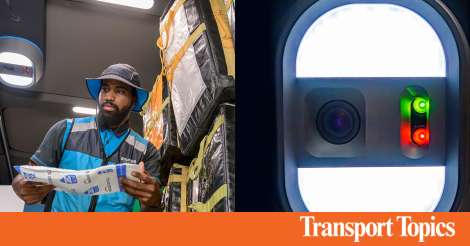
At a media event focused on logistics and online shopping held in Nashville on October 9, Amazon announced that the technology will project green circles onto packages to be delivered at each stop and red Xs on those for later deliveries.
The tool, named “Vision Assisted Package Retrieval” (VAPR), has been under development since 2020 and is scheduled for deployment in 1,000 Amazon delivery vans next year. It aims to reduce typical delivery routes by approximately 30 minutes.
This tool uses computer vision technology originally developed in Amazon warehouses to identify products without the need for barcode scanners. The technology has been adapted for use in crowded cargo areas of delivery trucks and integrated with route navigation software.
Once the truck arrives at a delivery location, VAPR will automatically project green “O”s on all packages destined for that site and red “X”s on all others.
“Delivery drivers no longer need to spend time organizing parcels by stop, reading labels or manually checking key identifiers like customer names or addresses to ensure they have the right package,” Amazon stated in a press release. “They simply look for VAPR’s green light, grab it, and go.”
Amazon ranks first on both North America’s largest logistics companies list and the global freight company rankings, and is ranked twelfth among private carriers.
This announcement underscores a shift in priorities under current CEO Andy Jassy, who succeeded founder Jeff Bezos in 2021. Amazon has been focusing more on short-term cost-cutting to make its low-margin e-commerce business more attractive.
The Seattle-based firm relies on a network of small businesses using 100,000 vans and employing 390,000 drivers for package delivery. By reducing delivery times, Amazon can limit the fees it pays to these delivery service partners who typically hire hourly-paid drivers.
Amazon also announced several other initiatives:
– AI shopping guides designed to help customers research over 100 product categories, from televisions and dog food to headphones and facial moisturizers.
– A next-generation fulfillment center in Shreveport, Louisiana, leveraging artificial intelligence and robotics to assist workers with order picking and packaging.
– Expansion of same-day prescription drug delivery services, expected to cover nearly half of the U.S. by next year.
—
Source: Transport Topics


