

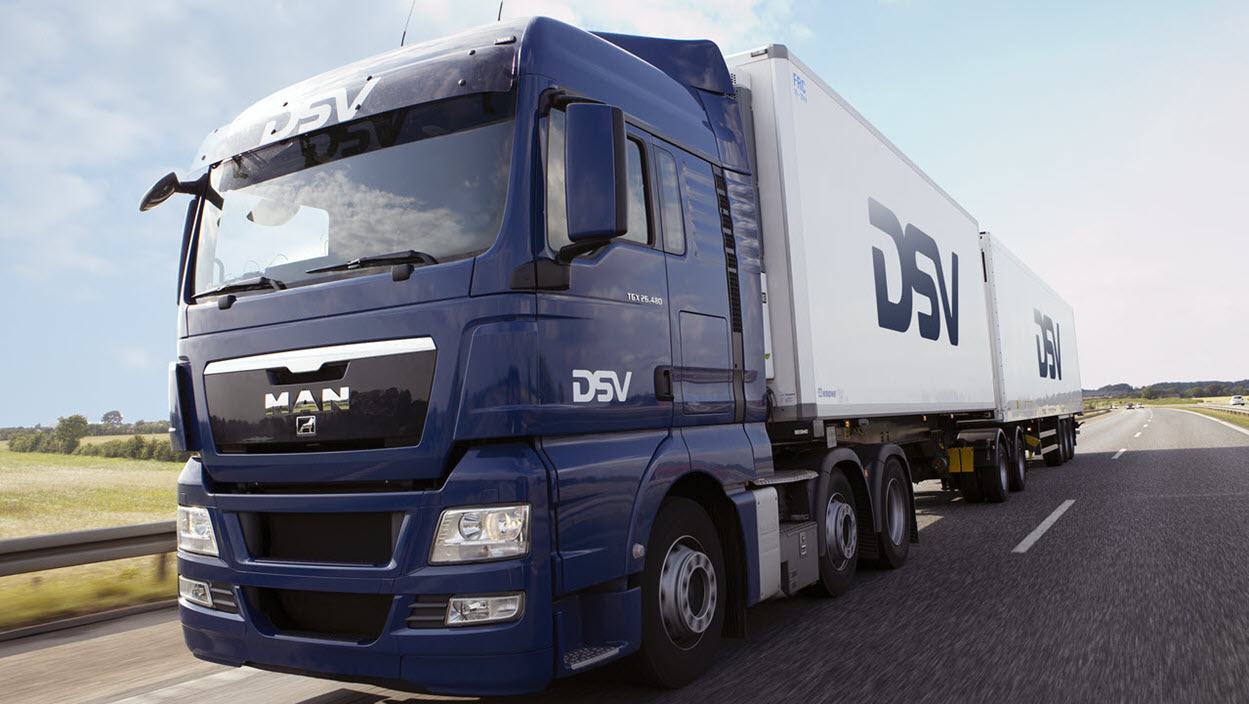
Short-term Impact of Reduced Transport Capacity and Increased Road Toll on Road Transportation. Read the October 2024 Market Update.
October 2024
Short-Term Impact of Reduced Transport Capacity and Increased Highway Toll Fees
=================================================================================
Quarterly Market Update
Overview of Economic Development in the Eurozone
————————————————-
* Preliminary estimates indicate that the annual inflation rate for the euro area fell to 1.8% in September 2024, the lowest since April 2021, down from 2.2% in August and below the forecasted 1.9%.
* The current inflation rate is now below the European Central Bank’s target of 2%.
* Energy prices have dropped more significantly (down by -6%, previously -3%), service sector inflation has slowed (4% compared to 4.1%), while food, alcohol, and tobacco prices have slightly increased (2.4% compared to 2.3%).
* Core inflation also decreased from 2.8% to 2.7%. In the major economies of the euro area, Germany (1.8% compared to 2%), France (1.5% compared to 2.2%), Italy (0.8% compared to 1.2%), and Spain (1.7% compared to 2.4%) have all seen a slowdown in inflation.
* According to official World Bank data, the euro area’s Gross Domestic Product (GDP) for 2023 was $15,544.86 billion, representing 14.74% of the global economy.
* The Eurozone Consumer Confidence Index rose by 0.5 points in September 2024 to -12.9.
Source: World Bank, Eurostat
Capacity Index and Diesel Prices
——————————–
Compared to the previous quarter, the capacity index increased to 97.8, while diesel prices for Q3 of 2024 decreased to €1574.91.
European Road Freight Capacity Index
————————————
The year-over-year decrease in the European road freight capacity index was 7% as of September 2024 compared to the same period last year.
European Truck Operating Efficiency Index
—————————————–
It shows a downward trend for 2024, with trucks taking more time to travel similar distances than they did in 2023. The Transporeon summit in Vienna highlighted significant changes in transport networks due to past supply chain disruptions. Factors such as traffic congestion, border checks, adverse weather conditions, and road maintenance have contributed to this decline, resulting in reduced market capacity compared to 2023.
Source: freightperspectives
Transport Updates in Europe
—————————
Mont Blanc Tunnel Closure
————————–
**September 2, 2024:** The Mont Blanc tunnel will be fully closed from September 2 to December 16, 2024 for major renovations. As a result, trucks traveling to and from Italy need to choose alternative routes, which may lead to extended transport times.
Temporary Border Controls in Germany
————————————
**September 16, 2024:** Starting from September 16, 2024, Germany will reinstate temporary border controls for six months at all nine land borders including France, the Netherlands, and Denmark. More stringent checks are already in place on borders with countries like Austria. These controls may cause delays in road transport and affect goods passing through Germany.
New Regulations in Poland
————————-
**January 1, 2025:** Non-EU companies must report activities through the SENT system before transporting goods in Poland if certain conditions apply. They will receive a reference number; this requirement also applies to EU transportation companies conducting allocations within Poland. Companies must keep information updated and send real-time vehicle location data via GPS devices or the e-TOLL PL app.
Exports from the EU to the UK
—————————–
**January 31, 2025:** The new Entry Summary Declaration (ENS) regulations originally set for October 31, 2024 have been postponed until January 31, 2025. As part of post-Brexit customs agreements, this regulation requires all goods entering the UK to be pre-declared via ENS. While logistics providers are responsible for making declarations, clients must provide accurate information.
Market Update on Sustainability
——————————–
Emissions Trading System (ETS)
The EU’s Emissions Trading System (ETS) was launched in 2005 and charges companies based on greenhouse gas emissions. Shipping will gradually be included in this system starting from this year:
* **2024:** 40% of emissions need to be covered by emission allowances.
* **2025:** 70%.
* **2026 onwards:** 100% of reported emissions.
Bills are passed on to customers and updated monthly based on ferry usage and emission impacts. From 2027, a similar system will apply to road transport fuels.
European Road Toll
——————
The European Commission has officially notified sixteen EU countries including Belgium and Spain to advance the implementation of the Eurovignette Directive for heavy vehicles. The directive charges fees based on cost recovery principles (including infrastructure construction, operation, maintenance, and development costs). Fees will vary according to a vehicle’s CO2 emissions.
Opinion Article
Road Tolls: A Political Strategy for Sustainability
—————————————————
Author: Simon H. Galsgaard, DSV Road CCO
Road tolls, the Emissions Trading System (ETS), and various government regulations have become political strategies to drive the green transformation of the transport industry. While these taxes aim to make the industry more sustainable in the long term, they impose significant financial pressure on freight transportation costs in the short run.
The imposition of such tolls has gained political support, but it is particularly challenging for the industry at this time. As mentioned in our July market update, road transport already faces challenges due to driver shortages and capacity issues. Although inflation rates have recently slowed down, the effects of years of high inflation are just beginning to show. Many carriers have been absorbing rising operational costs, which has become unsustainable, forcing them to scale back their operations.
With fewer trucks and drivers available, carriers struggle to meet demand, leading to ongoing structural challenges. Rising transport costs also increase business expenses, ultimately affecting consumer prices.
Environmental regulations add significant complexity, increasing the administrative burden on businesses. Unfortunately, the cost of sustainable technologies remains high, making it insufficient for fuel taxes to effectively incentivize a shift towards greener alternatives.
In summary, while road taxes and environmental charges may align with government climate goals, they place considerable pressure on the logistics industry. Businesses relying on road transport must factor in these rising costs when budgeting and prepare for further increases in transportation expenses by 2025.
At DSV, we closely monitor these developments despite the concerning situation. Unfortunately, there are no signs of improvement in capacity conditions – if anything, they seem to be worsening. We continue our efforts to guide clients and partners through these challenges.
DSV Signs Agreement with Volvo to Accelerate Decarbonization of Road Freight
——————————————————————————
DSV and Volvo Drive Sustainability
Questions?
———-
The DSV Road team is here for you.
Help & Contact
Get a Quote
Subscribe to Our Newsletter!
—————————–
Stay updated on the latest news and information.
Sign Up Now
—
Source Website:


