

The global third-party logistics (3PL) market is valued at US$ 1,312.2 billion in 2026 and projected to reach US$ 2,429.7 billion by 2033, growing at a 9.2% CAGR. Warehousing & Distribution holds 29% market share (2025), while Roadways transport dominates with 42%. North America leads with 38% share. Key drivers include e-commerce expansion, supply chain outsourcing, and digital logistics adoption. Major providers include DHL Supply Chain, Kuehne+Nagel, DSV A/S, and Maersk Logistics.
According to einnews.com, the global third-party logistics (3PL) market is valued at US$ 1,312.2 billion in 2026 and is projected to reach US$ 2,429.7 billion by 2033, expanding at a compound annual growth rate (CAGR) of 9.2% during the forecast period.
Market Scale and Growth Trajectory
The market has grown steadily from a historical value of US$ 831.5 billion in 2020 to its current valuation of US$ 1,312.2 billion in 2026 — representing an incremental opportunity of US$ 1,117.5 billion over the 2026–2033 horizon. This expansion reflects accelerating outsourcing of logistics functions across sectors, rising e-commerce volumes, and investments in digital infrastructure. According to Persistence Market Research, the growth is underpinned by demand for integrated supply chain services that reduce operational costs while improving delivery performance and inventory accuracy.
Service and Transport Segment Leadership
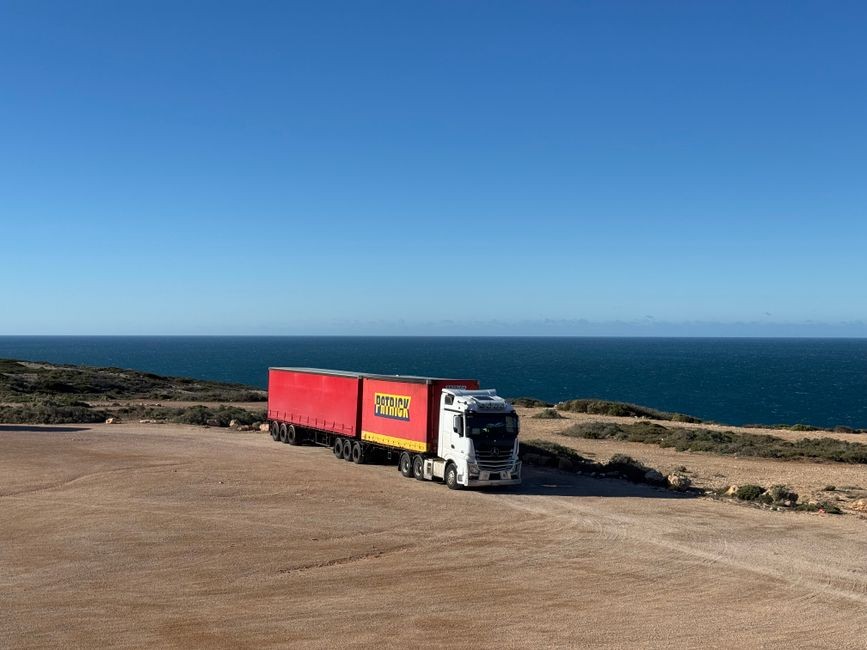
Warehousing & Distribution remains the dominant service segment, commanding approximately 29% of the market share in 2025 — driven by heightened requirements for fast order fulfillment, scalable storage capacity, and integrated inventory solutions. Meanwhile, Roadways transport mode accounts for nearly 42% of the transportation segment, owing to its cost-effectiveness, flexibility, and extensive domestic and regional connectivity. These two segments — Warehousing & Distribution and Roadways — are the top-performing categories across their respective classifications.
Regional Market Distribution
North America leads the global 3PL market with approximately 38% share, supported by advanced logistics infrastructure, high adoption rates of outsourced logistics, and robust e-commerce activity. Europe follows as a significant contributor, strengthened by cross-border trade integration and growing demand for end-to-end supply chain optimization. The Asia Pacific region continues to emerge as a high-growth zone, fueled by industrial expansion, manufacturing scale-up, and increasing investment in logistics parks and automated warehousing facilities across countries including China, India, and Vietnam.
Key Market Drivers and Enablers
Three interlocking forces are propelling 3PL adoption: escalating supply chain complexity amid globalization, rapid e-commerce growth requiring agile fulfillment networks, and digital transformation initiatives. Automation in warehouses, real-time shipment visibility platforms, transportation management systems (TMS), and AI-driven route optimization are enabling providers to handle higher shipment volumes with greater precision and lower error rates. As businesses prioritize core competencies and cost discipline, outsourcing logistics functions has shifted from tactical cost-saving to strategic capability-building — particularly among manufacturers, retailers, healthcare firms, and automotive OEMs.
Leading Providers and Competitive Landscape
The market features a diversified set of global and regional players. Major companies covered in the report include DHL Supply Chain, Kuehne+Nagel, DSV A/S, DB Schenker, C.H. Robinson, Nippon Express, XPO Logistics, CEVA Logistics, Sinotrans Limited, GEODIS, Expeditors International, UPS Supply Chain Solutions, FedEx Logistics, Ryder System, Inc., and Maersk Logistics. These firms compete on service integration depth, geographic coverage, technology stack maturity, and sector-specific expertise — especially in healthcare cold chain logistics, automotive just-in-time delivery, and e-commerce last-mile orchestration.
Emerging Opportunities and Strategic Implications
Digital supply chain technologies present the most immediate growth lever for 3PL providers. Investments in warehouse automation, predictive analytics, and multimodal orchestration platforms are enabling faster response times, reduced labor dependency, and improved asset utilization. The market also benefits from structural shifts: rising nearshoring and friendshoring initiatives, regulatory emphasis on supply chain transparency (e.g., EU’s CSDDD), and increased corporate focus on Scope 3 emissions reporting — all of which increase demand for auditable, tech-enabled logistics partners. For supply chain professionals, this translates into tighter vendor selection criteria, greater emphasis on API interoperability, and expanded expectations for data-sharing governance and cybersecurity compliance across provider ecosystems.
Source: einnews.com
Compiled from international media by the SCI.AI editorial team.


