Vietnam’s logistics sector faces dual dynamics: rising global demand driven by supply chain diversification and persistent domestic bottlenecks—including high logistics costs, fragmented intermodal infrastructure, and limited digital integration. A July 2026 forum convened by the Ministry of Industry and Trade highlighted $1.2 billion in unmet infrastructure investment needs by 2030, while calling for coordinated action across government, industry, and exporters. Digital transformation and green logistics—backed by $210 million in fleet upgrades and 30% urban emission targets—are now central to national strategy.
According to baodautu.vn, Vietnam’s logistics sector stands at a strategic inflection point amid accelerating global supply chain restructuring — with opportunities tied to geographic advantage and trade integration, but constrained by high costs and digital capability gaps.
Global Restructuring Opens New Avenues
On 24 July 2026, the Ministry of Industry and Trade co-organized the “Global Supply Chain Restructuring — New Opportunities for Vietnam’s Logistics” forum in Hanoi, supported by Petrovietnam. The event brought together state regulators, industry associations including the Vietnam Freight Forwarders Association, logistics firms, manufacturers, exporters, and international experts. It unfolded against a backdrop of intensifying geopolitical volatility, trade competition, cross-border investment realignment, and rising demands for resilience, flexibility, and sustainability across supply networks.
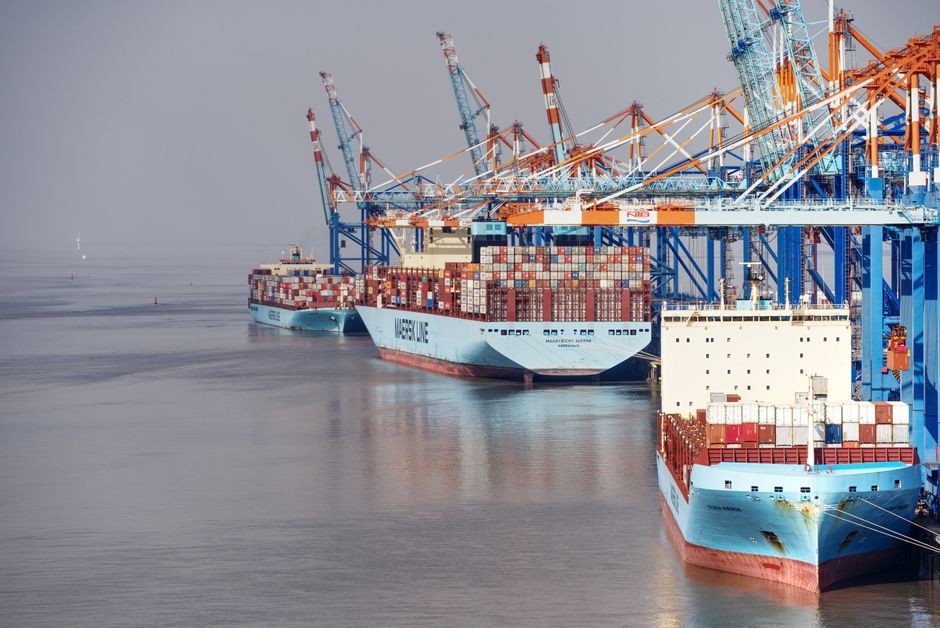
As nations and multinationals actively diversify markets, suppliers, production sites, and transport corridors — reducing overreliance on single regions or partners — Vietnam is emerging as a priority node. Its location near key maritime routes, high economic openness, robust export-import growth, and participation in RCEP and 17 other free trade agreements collectively position it as a regional hub for manufacturing, distribution, and goods circulation.
Infrastructure and Integration Gaps Persist
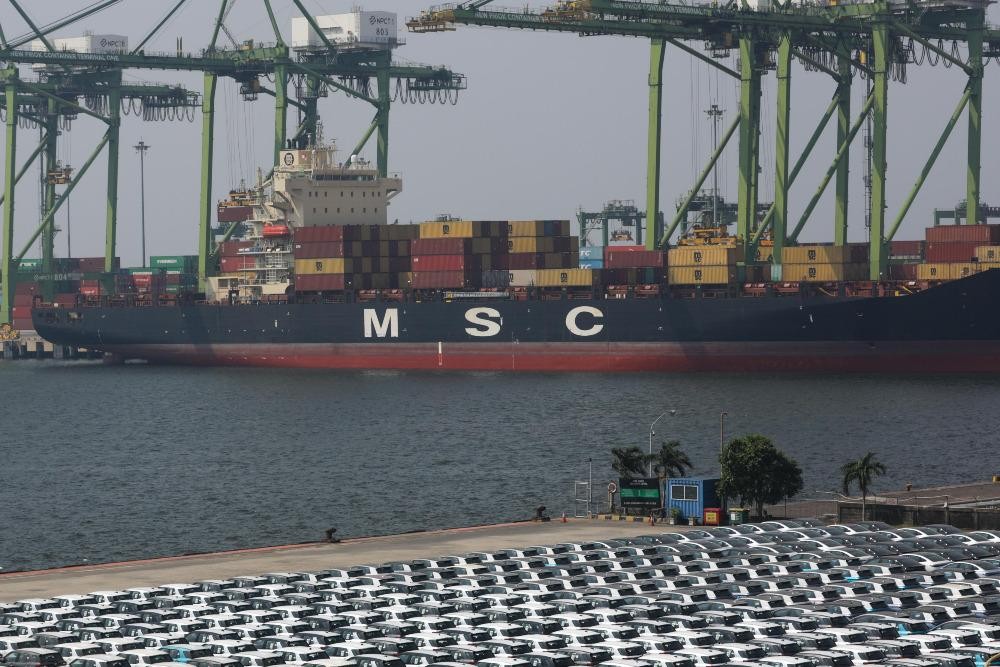
Despite structural advantages, Vietnam’s logistics ecosystem faces systemic constraints. Domestic logistics costs remain elevated — among the highest in Southeast Asia — while intermodal connectivity between road, rail, inland waterway, and seaport systems remains fragmented. According to the report, port hinterland infrastructure — particularly dry ports and logistics centers in industrial clusters like Binh Duong and Hai Phong — lags behind demand. One official assessment cited a shortfall of approximately $1.2 billion in targeted logistics infrastructure investment needed by 2030 to meet projected trade volumes.
Most domestic logistics firms operate at small scale, offering isolated services — freight forwarding, customs brokerage, or warehousing — rather than integrated end-to-end solutions. Their capacity to deploy digital platforms, manage data-driven operations, or deliver multimodal orchestration remains limited. As Nguyen Thi Lan, Director of the Vietnam Logistics Association, stated:
“Logistics providers must shift from transactional service delivery to holistic supply chain management — integrating transportation, warehousing, distribution, and customs clearance under unified visibility and control.” — Nguyen Thi Lan, Director, Vietnam Logistics Association
Digital and Green Transformation as Dual Imperatives
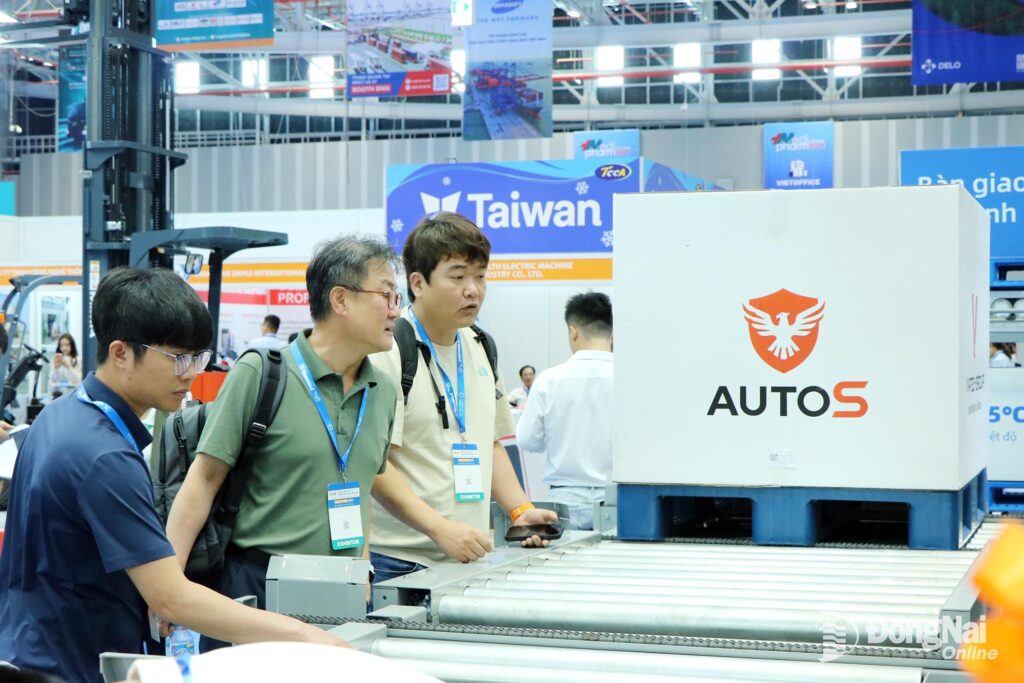
The forum identified digitalization and sustainability as twin pillars for competitiveness. Enterprises are urged to adopt cloud-based transportation management systems (TMS), warehouse management systems (WMS), real-time cargo tracking, and demand forecasting tools. Concurrently, decarbonization pressures mount: global buyers increasingly require carbon reporting, energy-efficient fleet deployment, modal shift toward rail and inland waterways, and adherence to EU-aligned environmental standards such as CBAM-adjacent disclosure frameworks.
A pilot initiative launched in Q3 2026 by the Ministry of Transport targets electrification of last-mile delivery fleets in Ho Chi Minh City and Hanoi, aiming to cut urban freight emissions by 30% by 2028. Meanwhile, the Vietnam National Shipping Lines (Vinalines) has committed $210 million to retrofitting its container fleet with low-sulfur fuel systems and shore-power connections at major ports.
Cross-Sector Collaboration Critical to Scale
Stakeholders emphasized that progress hinges on institutional coordination. The report calls for formalized tripartite working groups linking central ministries, provincial authorities, industry associations, and private firms — especially exporters reliant on just-in-time delivery. Such collaboration aims to align infrastructure planning, harmonize customs procedures, co-develop new multimodal corridors (e.g., linking Lach Huyen Port to the North–South Expressway), and co-fund digital interoperability standards across shippers, carriers, and government agencies.
This ecosystem approach is already yielding results: a joint public-private task force in Quang Ninh Province completed feasibility studies for three new inland container depots in May 2026, targeting operational launch by Q1 2027. These facilities will integrate automated gate systems, AI-powered yard management, and direct rail links to Haiphong Port — reducing average dwell time by 40%.
Source: baodautu.vn
Compiled from international media by the SCI.AI editorial team.