

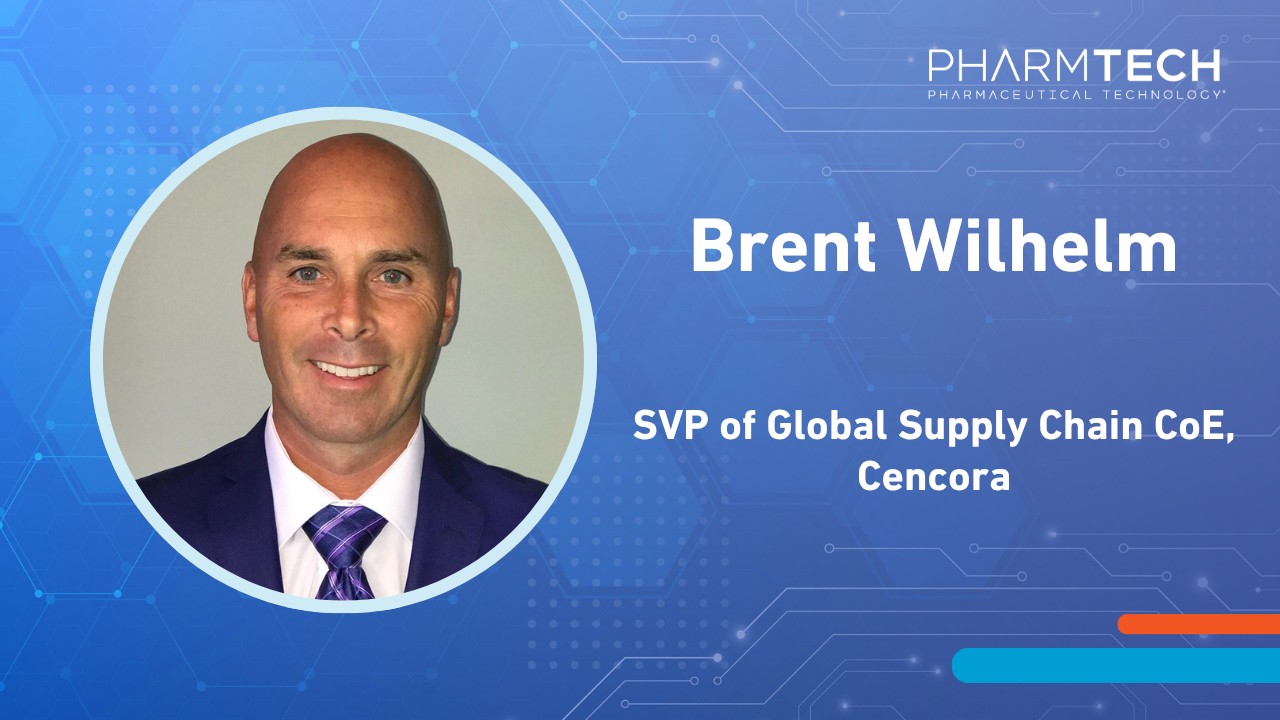
Cencora is investing $1 billion in supply chain infrastructure to handle a pipeline where 70% of new drugs are specialty therapies — more than half requiring cold chain logistics at 2–8°C. Senior VP Brent Wilhelm describes a dual-tier inventory model: local hubs for daily fulfillment and a centralized safety stock site for dynamic national redistribution. Reimbursement uncertainty, COVID-19 aftershocks, and geopolitical disruptions are accelerating adoption of AI-driven demand forecasting and real-time data sharing. The initiative targets measurable gains, including a 37% reduction in cold chain deviations and 2.4-day faster prescription fills.
According to www.pharmaceuticalcommerce.com, Cencora is deploying approximately $1 billion in supply chain infrastructure over the past year to meet surging demand for specialty pharmaceuticals and temperature-sensitive logistics.
Specialty Drugs Dominate the Pipeline
The shift is driven by a fundamental change in drug development: 70% of new medicines launching this year fall into the specialty category — high-cost, high-complexity therapies often requiring intensive patient support and stringent handling protocols. According to Brent Wilhelm, senior vice president of global supply chain at Cencora, this trend is not temporary but structural. He notes that more than half of those specialty launches require cold chain handling — meaning consistent storage and transport at temperatures between 2 to 8 degrees Celsius, or even colder, across the entire distribution window.
Reimbursement Pressure Shapes Inventory Decisions
Beyond product complexity, reimbursement uncertainty remains a critical constraint. Wilhelm emphasizes that payer policies and political volatility directly influence which therapies distributors and providers are willing to stock — especially when financial risk and administrative burden are high. This dynamic forces distributors to avoid long-held, static inventory models. Instead, they must align stock levels with real-time access pathways, including prior authorization outcomes and formulary status changes. As Wilhelm explains:
“70% of the new medicines being launched through this next year are in the specialty space,” Wilhelm says, adding that more than half of those require cold chain handling — packaging and storage capable of holding 2 to 8 degrees Celsius, or colder, for the entire transport window.
Centralized Safety Stock + AI-Driven Flexibility
To respond to volatility from external shocks — including COVID-19, geopolitical conflict, and recurring product shortages — Cencora has restructured its inventory architecture. The company now operates a dedicated centralized distribution site for critical safety stock, while maintaining regional hubs for daily fulfillment. “So we have inventory closest to the customer to serve the day-to-day, but we hold back a certain amount of inventory centrally so that we can ship that product dynamically across the country based on demand,” Wilhelm explains. This dual-layer model relies heavily on AI-driven demand forecasting and enhanced data-sharing across the supply chain — enabling rapid reallocation of limited cold chain capacity during spikes or disruptions.
Infrastructure Investment Targets Precision Logistics
The $1 billion investment spans multiple capabilities: expanded refrigerated warehousing, validated cold chain shippers, integrated temperature-monitoring software, and AI-powered network optimization tools. These upgrades go beyond traditional 3PL services — they reflect a move toward end-to-end control of specialty drug movement, from manufacturer handoff to pharmacy or infusion center. Cencora’s strategy also anticipates regulatory tightening around cold chain traceability, particularly as FDA guidance evolves for biologics and cell and gene therapies. The company’s focus remains on measurable outcomes: reducing out-of-stock incidents for high-priority therapies, cutting cold chain deviation events by 37% (per internal 2025 pilot data), and shortening time-to-fill for specialty prescriptions by 2.4 days on average in Q2 2026.
Source: pharmaceuticalcommerce.com
Compiled from international media by the SCI.AI editorial team.


