

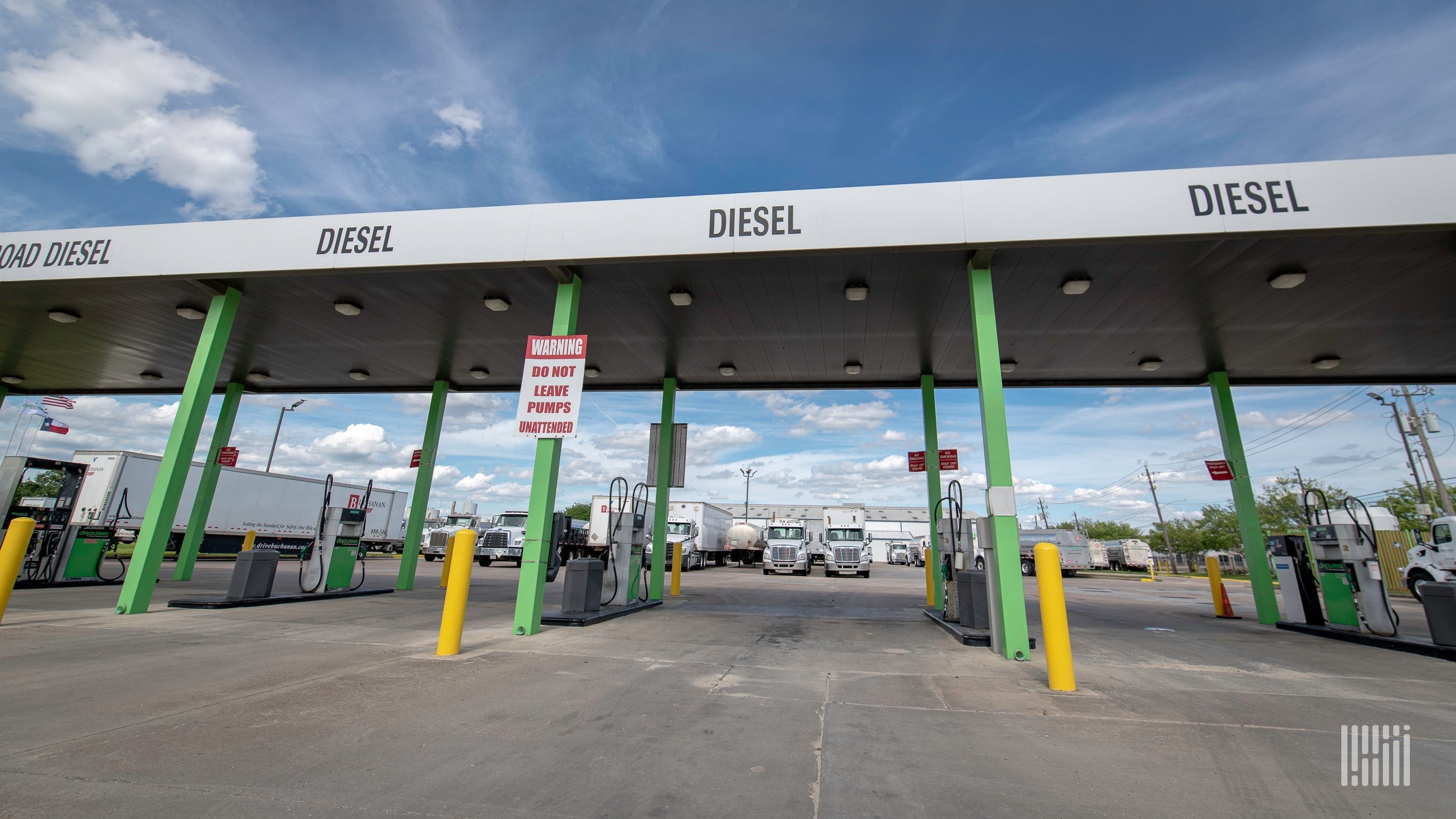
According to FreightWaves, U.S. East Coast diesel inventories have plunged nearly 47% since the start of 2022, triggering a sharp divergence between physical and futures pricing — with New York harbor spot diesel trading at a 66-cent-per-gallon premium over Gulf Coast levels as of Thursday, May 5, 2022.
Tightest inventories in seven years
U.S. Energy Information Administration (EIA) data shows ultra-low-sulfur diesel (ULSD) stocks in Petroleum Administration for Defense District 1 (PADD 1), which covers the East Coast, stood at 20.3 million barrels — the lowest level since March 2015. That figure represents a decline of more than 47% since January 1, 2022, and roughly 50% since December 2021. While comparable low inventories occurred during the severe winters of 2014 and 2015 — when distillate demand for heating oil diverted supply — current conditions reflect structural constraints rather than seasonal anomalies.
Refining capacity collapse and pipeline strain
The East Coast’s refining infrastructure has shrunk significantly: operable refinery capacity in PADD 1 fell from 1.224 million barrels per day in mid-2020 to just 818,000 barrels per day as of the latest EIA reporting. This loss stems from multiple refinery closures over the past decade, including Philadelphia Energy Solutions’ shuttering in 2019 and the 2021 shutdown of the Hess Corporation terminal in New Jersey. Meanwhile, the Colonial Pipeline, the primary conduit moving diesel and gasoline from the Gulf Coast to the Northeast, is operating under allocation — though press reports indicate allocations are less severe than usual, suggesting reduced nomination volumes rather than full capacity utilization.
Physical vs. futures pricing disconnect
On May 5, 2022, the June CME ultra-low-sulfur diesel (ULSD) futures contract settled at $4.197 per gallon, down 15.576 cents amid broad financial market declines. Yet physical diesel at New York Harbor — the official delivery point for that contract — was assessed by General Index at just under $5.00 per gallon, creating a persistent gap of 66 cents per gallon. The discrepancy arises because the futures contract allows delivery anytime in June, while the physical assessment reflects prompt delivery via the Colonial Pipeline’s 62nd cycle — a five-day window beginning immediately. As Ernie Barsamian, president and founder of tank storage brokerage The Tank Tiger, put it:
“You’d need to bring your mop to get the oil off the tank walls.” — Ernie Barsamian, president and founder, The Tank Tiger
Retail and wholesale impacts
Fuel retailers report operational stress. A spokesperson for Love’s, Caitlin Campbell, confirmed the company was experiencing “intermittent diesel outages” on the East Coast and monitoring the situation closely. Though Love’s had not imposed purchase restrictions, it relied on logistics partners Musket and Gemini to mitigate disruptions. Similarly, Eric DeGesoro, executive vice president of the Fuel Merchants Association of New Jersey, described the shortage as a “worldwide concern.” He cited one member who faced a supply outage lasting until Saturday morning — notified only on Thursday — underscoring the volatility in last-mile fuel distribution.
Regional price spreads widen dramatically
General Index data tracked widening regional differentials throughout early May. On Monday, May 2, Gulf Coast diesel priced at just under $4.50 per gallon, while New York Harbor traded at just under $5.00 per gallon — a spread of ~50 cents. By Wednesday, May 4, the New York Harbor price rose by 13.9 to 16.4 cents per gallon, pushing the spread to 60–70 cents per gallon. In normal markets, such geographic differentials are measured in mere a few cents. This abnormal spread signals acute localized scarcity — not generalized price inflation.
Source: FreightWaves
Compiled from international media by the SCI.AI editorial team.


