

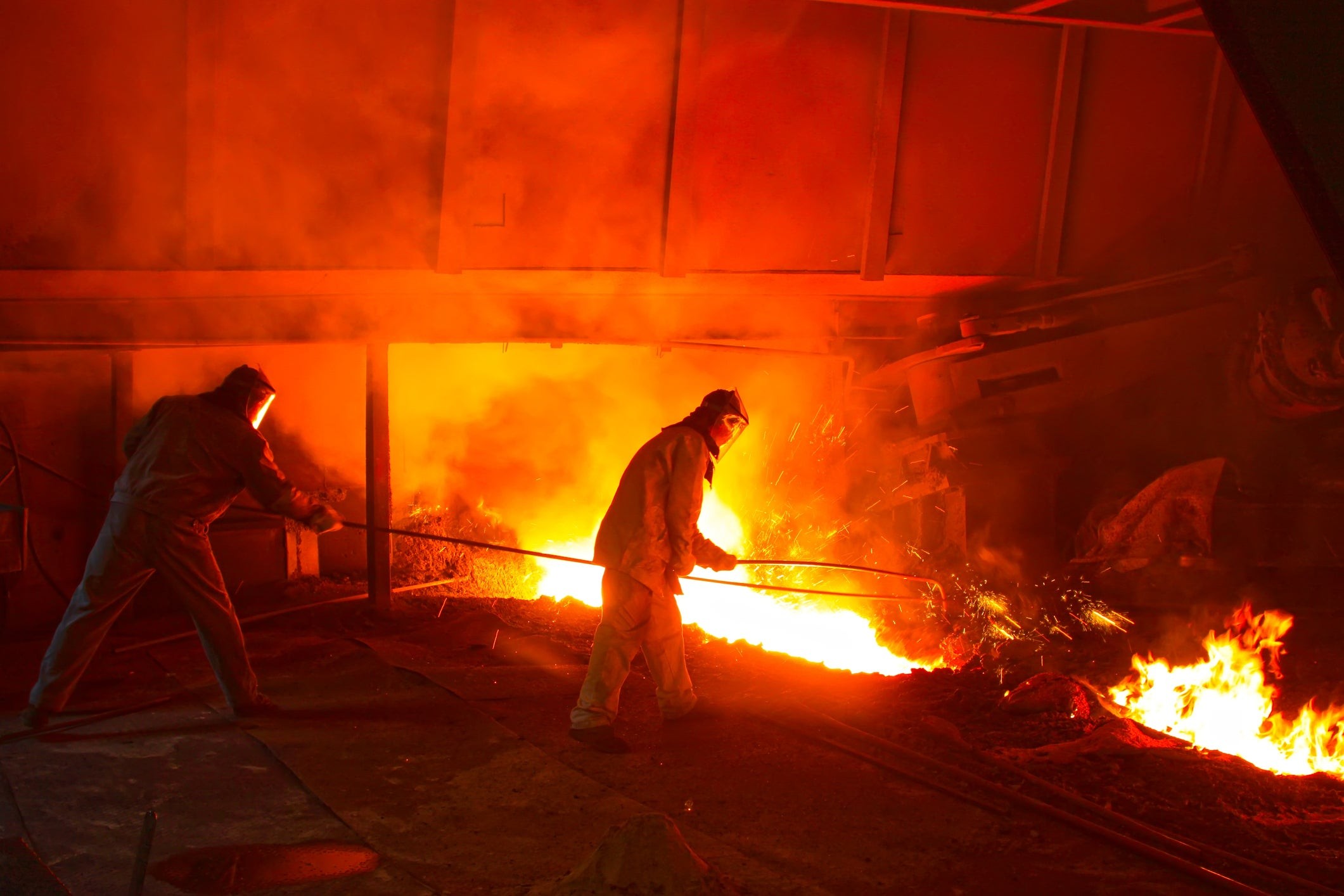
A fire at Huiteng Shoes Co., Ltd. in Jinjiang, Fujian Province, killed 28 workers on July 10, 2026. Nearly 240 people were inside the facility when flames broke out on the ground floor, where flammable materials were stored. Authorities evacuated 213 people; two later died in hospital, and 26 missing persons were confirmed dead. Jinjiang accounts for 20% of global sports shoe production. President Xi Jinping called the incident a 'major casualty' and demanded strict accountability. The tragedy echoes a 2022 Henan factory fire that killed 38 people, highlighting persistent industrial safety risks in China’s export manufacturing hubs.
According to www.just-style.com, a fire at Huiteng Shoes Co., Ltd. in Jinjiang, Fujian Province, China killed 28 workers and injured multiple others on Thursday, July 10, 2026.
Incident details and casualty count
The blaze broke out at noon on Thursday at the Huiteng Shoes Co., Ltd. facility located in Jiangtou Village, Chendai Township. Local authorities confirmed that nearly 240 people were present in the factory at the time of the fire. Emergency responders evacuated 213 people, but two of those evacuated later died in hospital, and 26 previously missing individuals were confirmed dead, bringing the final fatality count to 28.
Root cause and immediate response
Initial reports cited by the BBC indicate the fire originated on the ground floor, where flammable materials were reportedly stored. Authorities have detained several employees affiliated with the factory’s owners and frozen the company’s bank account. According to state media, investigators are examining violations of fire safety regulations, including improper storage practices and inadequate emergency exits — common vulnerabilities in high-density manufacturing facilities in the region.
Jinjiang’s footwear industry and systemic risk
Jinjiang, a city in Fujian Province, is widely recognized as China’s “shoe capital,” accounting for an estimated 20% of global sports shoe production. The city hosts hundreds of footwear manufacturers, many operating in multi-story industrial buildings with mixed-use layouts — a configuration that has raised longstanding concerns among occupational safety experts. This incident follows a 2022 garment factory fire in Henan Province that killed 38 people, prompting then-President Xi Jinping to order nationwide safety inspections.
National leadership reaction and accountability measures
President Xi Jinping described the Jinjiang fire as causing “
major casualties
” and emphasized that those responsible must be held “
strictly accountable
.” He directed officials to draw “
profound lessons
” from “
several major industrial safety accidents
” across China in 2026 and mandated implementation of “
rigorous and effective safety measures
.” These statements signal renewed top-level scrutiny of compliance enforcement in labor-intensive manufacturing sectors — particularly in export-oriented clusters like Jinjiang’s footwear supply chain.
Supply chain implications for global brands
Huiteng Shoes supplies components and finished footwear to international sportswear and lifestyle brands, though specific client names were not disclosed in the source. The incident underscores persistent gaps in downstream supplier oversight: while Tier 1 brands increasingly audit Tier 2 and Tier 3 subcontractors for environmental and labor standards, fire safety infrastructure — especially in older, vertically stacked factories — remains under-monitored. Practitioners note that third-party audits often prioritize documentation over physical infrastructure verification, leaving combustible material storage, egress routes, and sprinkler system maintenance vulnerable to non-compliance.
Source: Just Style
Compiled from international media by the SCI.AI editorial team.


