

India has eliminated 7.5% and 5% import tariffs on smartphone components—including wireless charging hardware and lithium-ion battery cells—effective through March 31, 2029. The move supports Apple’s rapid expansion in India, where assembly partners now produce roughly one-quarter of all iPhones and the full iPhone 17 lineup, including Pro and Pro Max models. Foxconn invested $1.5 billion in India in 2026, while Tata Electronics has become a co-equal manufacturing partner. Concurrently, Apple faces regulatory pushback from India’s antitrust body and a confirmed cybersecurity breach involving over 200,000 leaked files.
According to www.macrumors.com, India has eliminated import duties on key smartphone manufacturing components—specifically removing 7.5% and 5% tariffs—granting Apple significant cost relief for its expanding domestic supply chain.
Tariff Exemptions Target Critical Components
The Indian government’s decision eliminates two tiered import duties: a 7.5% tariff and a 5% tariff, both previously applied to inputs used in wireless charging hardware, automotive and medical device screens, and lithium-ion battery cells. These exemptions are scheduled to remain in force until March 31, 2029. The removal of the 7.5% duty on wireless charging components directly benefits Apple’s MagSafe ecosystem, enabling local assembly partners to source and integrate these parts domestically without the previous import markup.
India Now Produces Full iPhone 17 Lineup
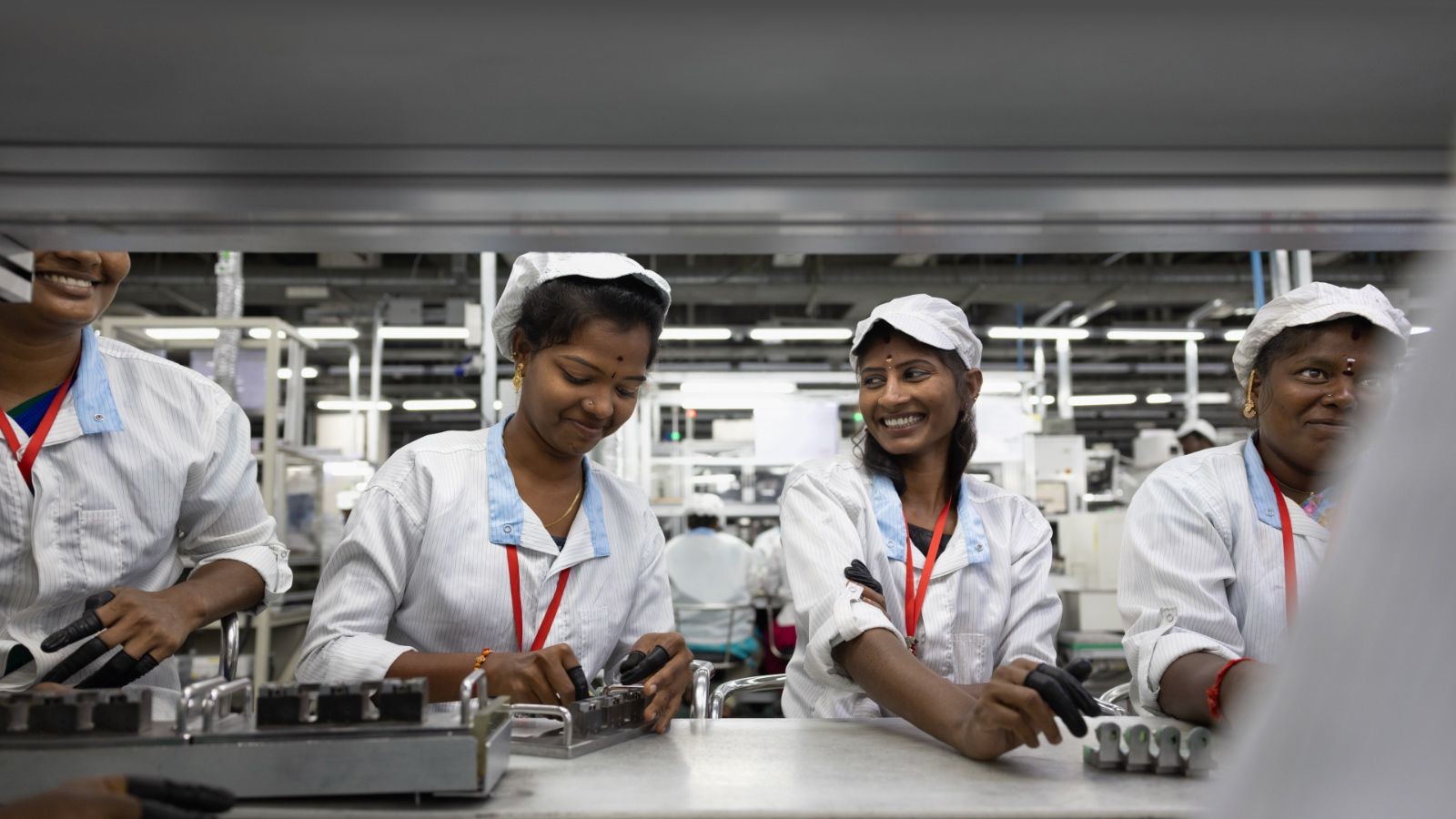
Apple’s manufacturing footprint in India has accelerated rapidly, with assembly partners now producing approximately one-quarter of all iPhones globally. For the first time, India is manufacturing the entire iPhone 17 lineup—including the premium iPhone 17 Pro and iPhone 17 Pro Max models—onshore. This marks a strategic shift as Apple diversifies production away from China amid evolving geopolitical and supply chain considerations.
Major Investments by Key Assembly Partners
Foxconn, one of Apple’s principal contract manufacturers, invested $1.5 billion earlier in 2026 to expand its India operations. Simultaneously, Tata Electronics has grown into an equally central manufacturing partner alongside Foxconn, co-leading Apple’s India-based assembly capacity. Both firms are now integral to Apple’s regional supply chain resilience strategy, supporting not only final assembly but also component integration and testing.
Broader Context: Regulatory and Cybersecurity Challenges
While tariff relief advances Apple’s operational goals, it unfolds against a backdrop of regulatory friction and cybersecurity risk. In a June 25 submission reviewed by Reuters, Apple challenged findings from the Competition Commission of India (CCI), accusing investigators of “copy-pasting” claims from rival companies rather than conducting independent analysis. Separately, Tata Electronics confirmed a cybersecurity incident after researchers reported that ransom group World Leaks had posted over 200,000 confidential Apple-related files on the dark web—a breach tied to one of Apple’s key Indian manufacturing partners.
Strategic Implications for Supply Chain Professionals
For supply chain practitioners, the tariff exemptions represent more than cost savings: they enable faster localization of high-value subsystems like MagSafe chargers, reducing lead times and customs bottlenecks. With assembly now covering the full iPhone 17 range—including Pro variants—and supported by $1.5 billion in new capital, India is transitioning from a secondary assembly hub to a vertically integrated manufacturing node. However, the concurrent antitrust dispute and confirmed cyberattack underscore that regulatory compliance and digital security must be treated as core supply chain KPIs—not ancillary concerns—when scaling in emerging markets.
Source: macrumors.com
Compiled from international media by the SCI.AI editorial team.


