

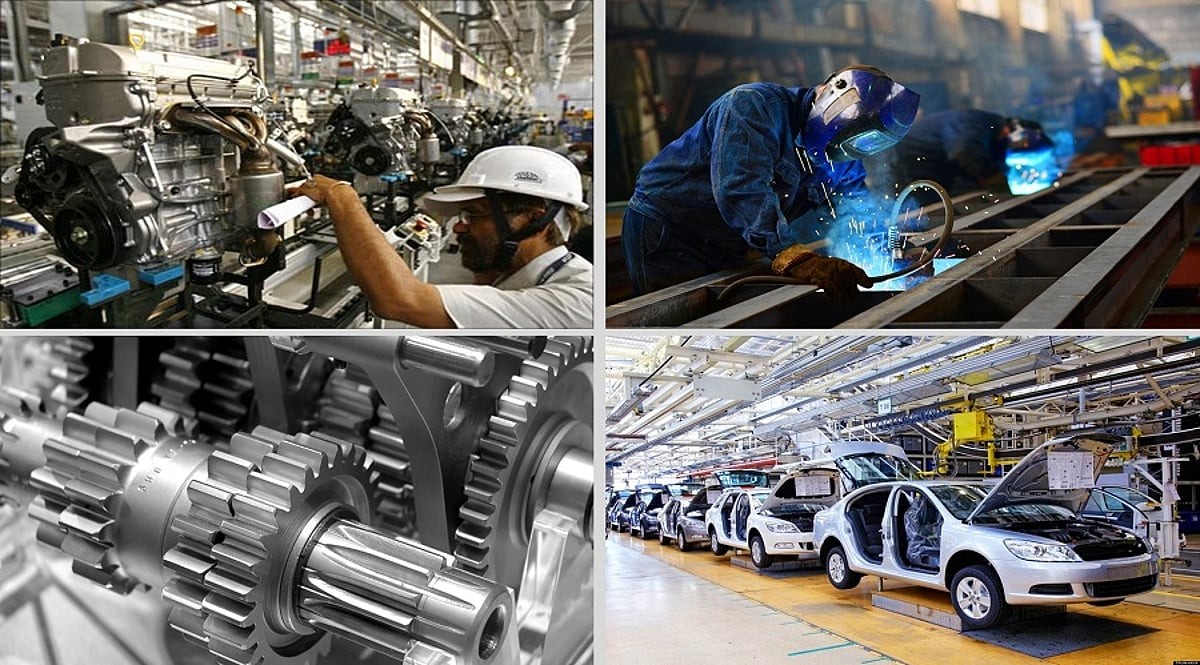
A new ASSOCHAM study finds India’s manufacturing growth reached 4.15% in 2022–2025 — nearly two percentage points above the global average — driven by supply chain diversification, domestic demand, infrastructure upgrades, and policy initiatives like the PLI schemes. India now outperforms China, the UK, Germany, France, Italy, and the US in post-pandemic manufacturing growth. The report identifies logistics acceleration, supplier ecosystem development, Industry 4.0 adoption, and FTA utilization as critical next steps.
According to www.fortuneindia.com, India’s manufacturing growth averaged 4.15% during the 2022–2025 period — nearly two percentage points above the global average — as multinational firms accelerate supply chain diversification beyond China.
Post-Pandemic Growth Acceleration
The ASSOCHAM study, titled Global Manufacturing Undergoing Strategic Realignment: India Emerges as a Key Beneficiary of Supply Chain Diversification, documents a clear inflection point in India’s industrial trajectory. Manufacturing growth rose from 3.44% in the pre-pandemic period (2016–2019) to 4.15% in 2022–2025. This shift moved India from operating nearly one percentage point below the global benchmark before the pandemic to outperforming it by almost two percentage points — a measurable gain in competitiveness amid widespread adoption of China+1, nearshoring, and friendshoring strategies.
Global Peer Comparison
The analysis covers the world’s 10 largest manufacturing economies — which collectively account for nearly 65% of global manufacturing output. India joined the United States, Germany, France, Italy, and the United Kingdom in exceeding the global manufacturing average post-pandemic. In contrast, China — still the world’s largest manufacturing economy — saw its performance decline relative to the global benchmark, slipping from 2.4 percentage points above the average pre-pandemic to 2.26 percentage points below it during 2022–2025. Mexico remained the strongest performer globally, while Russia continued to post above-average growth.
Drivers Behind India’s Momentum
ASSOCHAM attributed India’s improving manufacturing performance to five interlinked factors: expanding domestic demand; infrastructure upgrades; improved logistics connectivity; rising investor confidence under the China+1 strategy; and targeted policy initiatives including the Production Linked Incentive (PLI) schemes, PM Gati Shakti, and industrial corridor development. The report emphasized that these reforms have cumulatively strengthened India’s position as a credible alternative node in global value chains — not merely a cost-driven destination but an increasingly resilient and scalable partner.
Strategic Recommendations
To sustain momentum, the report recommended four concrete actions: accelerating completion of priority logistics projects; strengthening domestic supplier ecosystems to reduce import dependency; promoting adoption of Industry 4.0 technologies across MSMEs and large manufacturers alike; and leveraging existing free trade agreements — such as those with the United Arab Emirates, Australia, and Malaysia — to deepen integration with regional and global value chains.
“The global manufacturing landscape is undergoing a gradual but important shift. Companies are no longer looking at efficiency alone; they are equally focused on resilience and diversification. India’s improving manufacturing performance reflects the impact of sustained reforms and growing investor confidence.” — Nirmal K. Minda, President, ASSOCHAM
He added that the next phase must prioritize implementation at scale and building globally competitive manufacturing ecosystems — a view echoed by industry practitioners who note that consistent execution on port modernization, rail freight capacity expansion, and vendor development programs will determine whether India captures a durable share of relocated production capacity.
Supply chain professionals tracking this transition report increasing engagement from U.S.- and EU-based electronics, pharmaceutical, and auto component buyers seeking dual-sourcing partners. Lead times for PLI scheme approvals have shortened to under 90 days in key sectors, and over 127 companies have received final incentive disbursements under Phase I of the electronics PLI program — signaling tangible progress beyond policy announcements.
Source: fortuneindia.com
Compiled from international media by the SCI.AI editorial team.


