Cargo theft is escalating across U.S. supply chains, prompting over 200 companies—including the Association of American Railroads, BNSF Railway, American Trucking Associations, and U.S. Chamber of Commerce—to urge Senate leadership to pass HR 2853, the Combating Organized Retail Crime Act. The bill, approved by the House 348–60, aims to strengthen interagency coordination among federal, state, local, and railroad law enforcement, while improving public–private collaboration against organized theft networks. Annual losses exceed $200 million for railroads alone, and the trucking industry bears $18 million in daily costs. The coalition emphasizes CORCA’s narrow focus on organized crime—not routine theft—and highlights rising violence and financial exploitation via gift cards and resale channels.
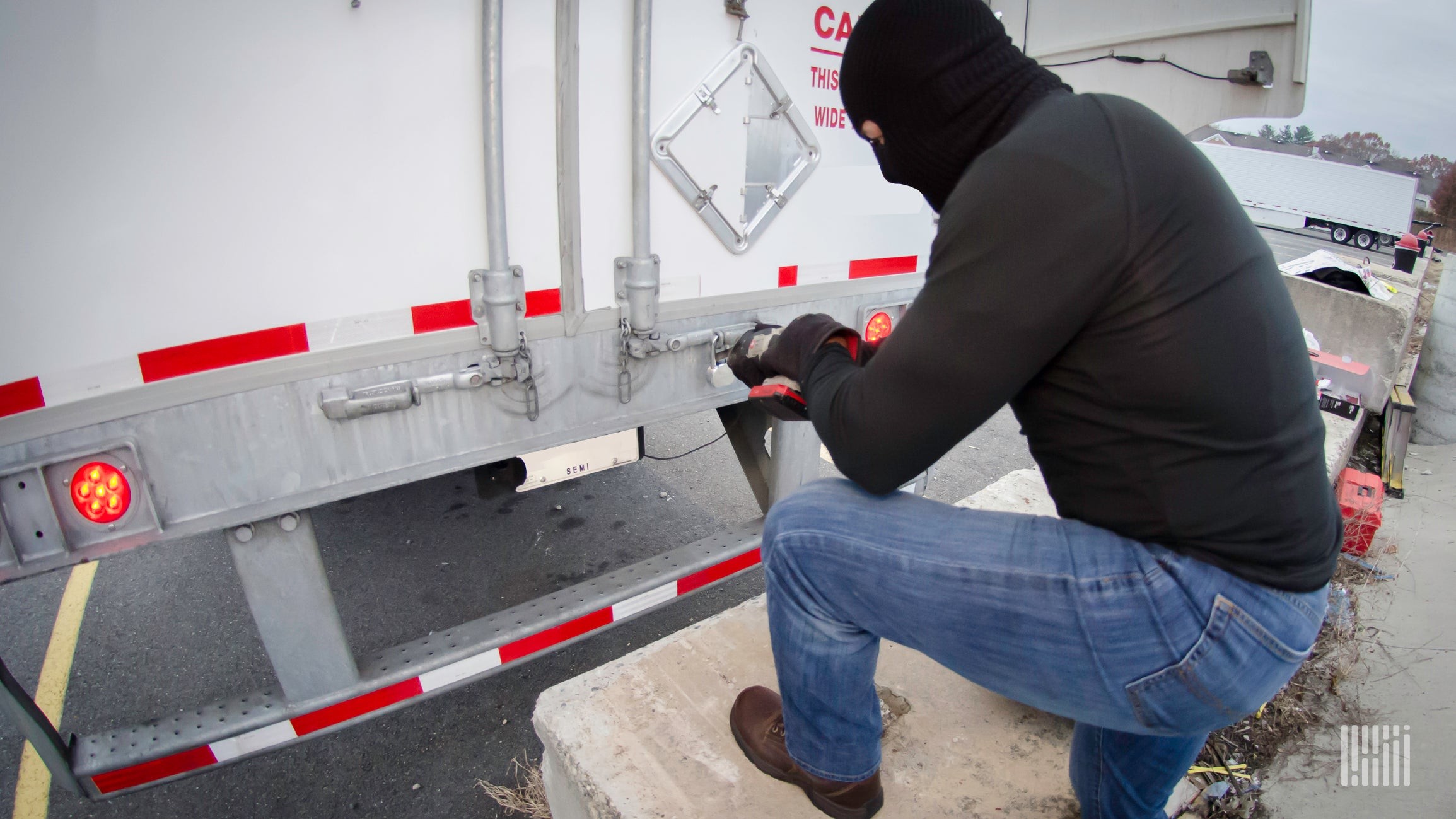
Cargo theft is a growing problem in the United States. (Photo: FreightWaves/Jim Allen)
Coalition Seeks Swift Senate Action on HR 2853
A coalition of retail, industrial, business and supply-chain companies and organizations is asking U.S. Senate leadership to act on cargo theft legislation previously passed by the House.
More than 200 companies and groups, including the Association of American Railroads and BNSF Railway (NYSE: BRK-B), have signed a letter urging swift passage of HR 2853, the Combating Organized Retail Crime Act. The bill passed the House last month by a 348-60 margin.
Key Provisions of the Combating Organized Retail Crime Act
It would coordinate efforts by federal, state, local, and railroad law enforcement agencies to address organized theft operations through joint investigations. It would also improve coordination between law enforcement and the private sector, enhancing the ability of investigators and prosecutors to deal with the networks behind the thefts.
Economic Impact and Escalating Risks
The letter – addressed to Majority Leader John Thune, Majority Whip John Barrasso, Minority Leader Charles Schumer, and Minority Whip Dick Durbin – says organized retail and supply-chain theft costs billions of dollars annually, including a cost to the trucking industry of $18 million daily. Railroads said they sustained more than $200 million in losses from cargo theft in 2025.
“In recent years, these crimes have also become more violent,” the letter says, “increasing the risks faced by workers, law enforcement, and the communities they serve. Criminal networks increasingly exploit cargo, resale channels, and financial mechanisms, including gift cards, to convert stolen goods into proceeds that fuel broader illicit activity. …
“Importantly, CORCA is narrowly focused on organized criminal conduct. It does not address routine retail theft, nor does it expand immigration or border enforcement authorities. Instead, it reflects a targeted, bipartisan effort to close persistent gaps that sophisticated criminal enterprises continue to exploit.”
Broad Industry Support
Among others signing the letter are the American Trucking Associations, Retail Industry Leaders Association, the National District Attorneys Association, and U.S. Chamber of Commerce.
The bill is currently in the hands of the Senate Judiciary Committee, where it was assigned the day after its passage by the House.
Subscribe to FreightWaves’ Rail e-newsletter and get the latest insights on rail freight right in your inbox.
Read more articles by Stuart Chirls here.
Related Coverage
- No hard feelings: UP-NS will see fact-based review
- New COO for Norfolk Southern
- How rail mega-merger moved ahead, and STB avoided making history
- STB conditionally accepts UP-NS rail merger application, wants more data
Upcoming FreightWaves Events
Supply Chain AI Symposium
Past the hype. Join operators, founders, and enterprise leaders figuring out how to deploy AI in supply chain.
July 15, 2026
The Old Post • Chicago, IL
F3: Future of Freight Festival
Industry-defining keynotes, rapid-fire technology demos, and industry leaders networking in experiences across Chattanooga – plus the inaugural F3 Awards Dinner featuring the FreightTech and Shipper of Choice reveals.
October 27, 2026 – October 28, 2026
The Signal at Chattanooga Choo Choo • Chattanooga, TN
Source: FreightWaves
Compiled from international media by the SCI.AI editorial team.