

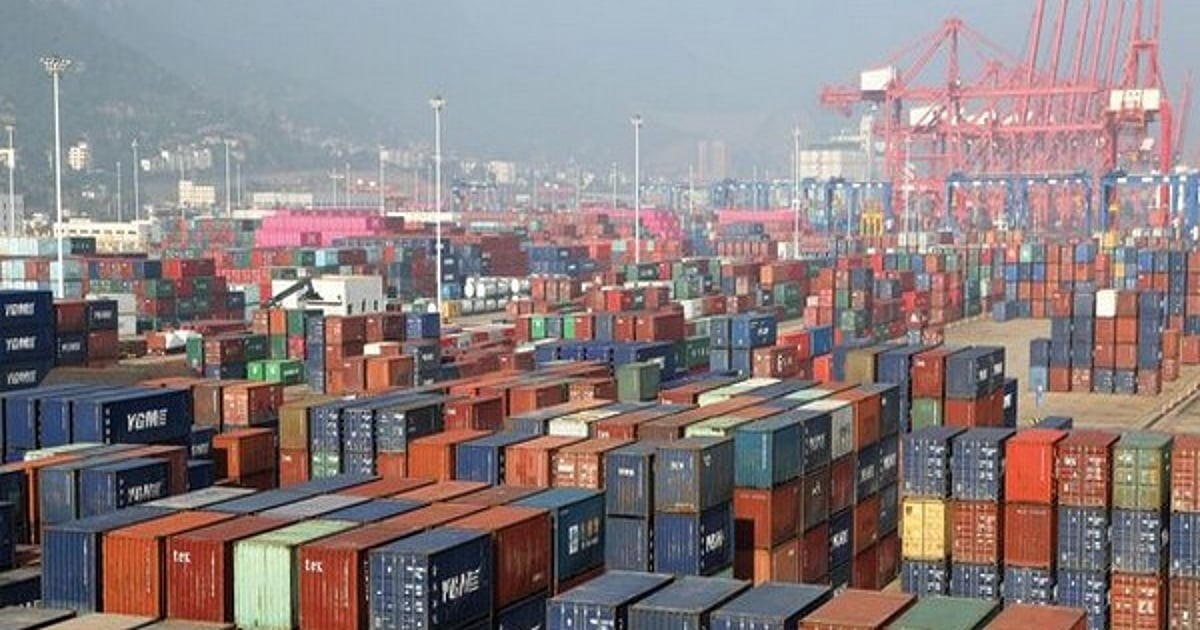
A CII–Knight Frank India report projects India will need 215 next-generation multimodal logistics parks (MMLPs) by 2047 to manage a projected 28 billion tonnes of freight. Currently, only 30 MMLPs operate, handling just 129 MMT annually — 2% of total freight. Integrating MMLPs with Dedicated Freight Corridors could cut door-to-door costs by 43% versus road-only transport and reduce dwell time from 34–152 hours to 2.5–8 hours. Transport infrastructure investment surged from $10 billion in FY2016 to $57.6 billion in FY2026, helping lower logistics costs to 10–10.5% of GDP and generate $122–133 billion in annual savings. The report urges central coordination, CPSE anchor freight, and first-/last-mile integration to convert MMLPs into true multimodal hubs.
According to www.newindianexpress.com, a joint report by CII and Knight Frank India projects that India will require 215 next-generation multimodal logistics parks (MMLPs) to meet freight demand by 2047.
Freight Growth and Infrastructure Gap
The report forecasts that India’s total freight movement will reach 28 billion tonnes by 2047. To handle even 30 per cent of the country’s rail freight — projected at 3,162 MMT annually — the nation must scale up its MMLP network dramatically. Currently, only 30 operational MMLPs exist, collectively processing just 129 MMT per year, or 2 per cent of national freight volume.
Another 45 MMLPs are under various stages of development, forming a medium-term pipeline of 75 parks. Yet this falls far short of the 215 required for long-term freight transformation, according to the report.
Cost and Efficiency Gains from Integration
Integrating Dedicated Freight Corridors (DFCs) with MMLP-grade systems can reduce door-to-door freight costs by 43 per cent compared to road-only transport, the report estimates. Mechanised operations within such parks also slash cargo dwell times from 34–152 hours to just 2.5–8 hours.
These efficiency gains align with broader infrastructure investment growth: transport infrastructure spending rose from $10 billion in FY2016 to $57.6 billion in FY2026. Over the same decade, Knight Frank’s Operational Infrastructure Index recorded a 59 per cent improvement in infrastructure efficiency.
Logistics Cost Reduction and Modal Imbalance
As a result of these upgrades, India’s logistics costs fell to 10–10.5 per cent of GDP in FY2026, generating annual savings of ₹10.8–11.7 trillion ($122–133 billion). Despite this progress, road transport still accounts for nearly 70 per cent of freight movement by tonne-kilometre, while rail contributes only 27.4 per cent — even though rail freight costs are nearly half those of road.
The report stresses that MMLPs are essential to rebalancing this modal split. It calls for stronger central coordination, deployment of CPSE (Central Public Sector Enterprise) freight as anchor demand, and robust first- and last-mile connectivity to ensure MMLPs function as true multimodal hubs — not merely road-fed warehouses.
Strategic Imperatives for Scale and Integration
Long-term success hinges on building larger-format, high-density multimodal hubs capable of aggregating cargo at commercially viable scales. These hubs must be tightly integrated with DFCs, port networks, and inland container depots. The report highlights Chennai’s Panjetty logistics park as an early example — recently recast as a direct cargo transfer hub to accelerate intermodal throughput.
Such projects reflect a national shift toward infrastructure-led freight optimization. With freight volumes projected to more than double between 2026 and 2047, scaling MMLPs is no longer optional but foundational to India’s supply chain competitiveness — especially as regional peers like Vietnam and Bangladesh expand their own rail-integrated logistics corridors with World Bank and ADB financing.
Source: www.newindianexpress.com
Compiled from international media by the SCI.AI editorial team.


