

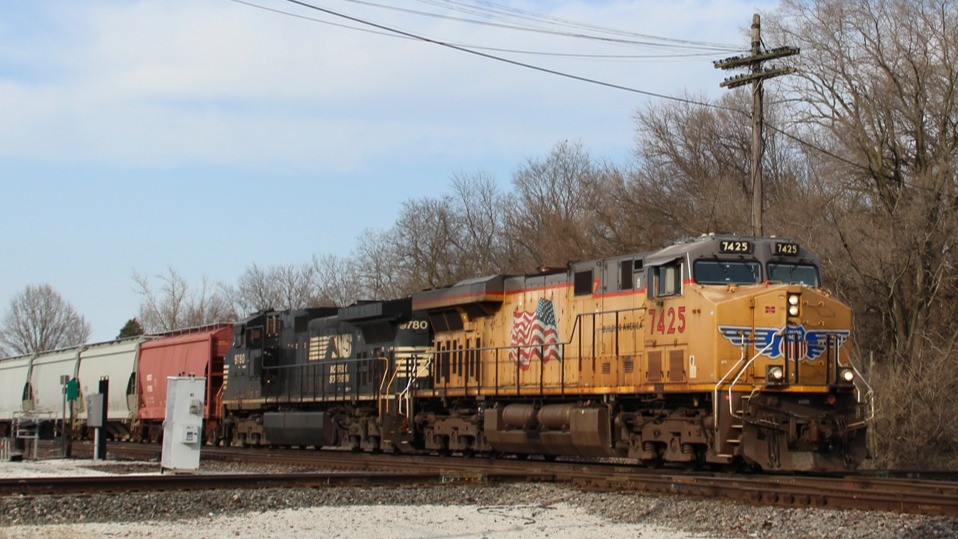
The Surface Transportation Board (STB) has conditionally accepted the merger application between Union Pacific (UNP) and Norfolk Southern (NS), requiring the railroads to submit additional data by July 27. The nine areas of concern include environmental issues. The formal evaluation of the proposed transcontinental railroad will not begin until the new information is reviewed. The companies claim the merger will eliminate freight handoffs, shift 2.1 million truckloads to rail annually, and support reindustrialization across a 53,000-mile network. Union Pacific CEO Jim Vena emphasized the merger’s potential to deliver lower-cost, more reliable transportation for American businesses. Shares of both companies dropped about 5% following the announcement.
Federal Regulators Conditionally Accept UP-NS Merger Application
Federal regulators on Thursday accepted the merger application submitted by Union Pacific and Norfolk Southern, on the condition that the railroads submit more information for review by July 27.
Additional Data Required Across Nine Areas
That information ranges across nine areas of concern, including environmental issues. The formal evaluation of the deal won’t begin until that material is accepted.
Market Reaction and Regulatory Background
Shares of the companies were down about 5% on the news. The STB’s 42-page decision (PDF) comes after UP (NYSE: UNP) and NS (NYSE: NSC) in April filed a revised application following the agency’s rejection of the initial paperwork in January.
"We are confident this merger will deliver more reliable and lower-cost transportation options for American businesses," said Union Pacific Chief Executive Jim Vena, in a statement. "We submitted a comprehensive, data-driven application backed by a detailed plan for seamless integration. We look forward to the opportunity to show the facts and demonstrate the benefits for our customers, employees and America."
Proposed Benefits of the Transcontinental Railroad
The companies say the proposed transcontinental railroad will speed up the movement of freight by eliminating handoffs between railroads, convert 2.1 million truckloads to rail annually, and kickstart reindustrialization across a 53,000-mile network.
Subscribe to FreightWaves’ Rail e-newsletter and get the latest insights on rail freight right in your inbox.
Read more articles by Stuart Chirls here.
Related Coverage
- Rail freight rolls on in latest data
- UP refutes new AG claims, says it provided all answers in merger paperwork
- Short line rail hits T&I truck benefits, costly safety mandates
- AAR slams “hypocrisy” as Trump-backed rail safety measure is included in transportation funding
Source: FreightWaves
Compiled from international media by the SCI.AI editorial team.


