Skip to content

North America Supply Chain

DHL opens 17,000-m² battery logistics hub in Holtum, Netherlands

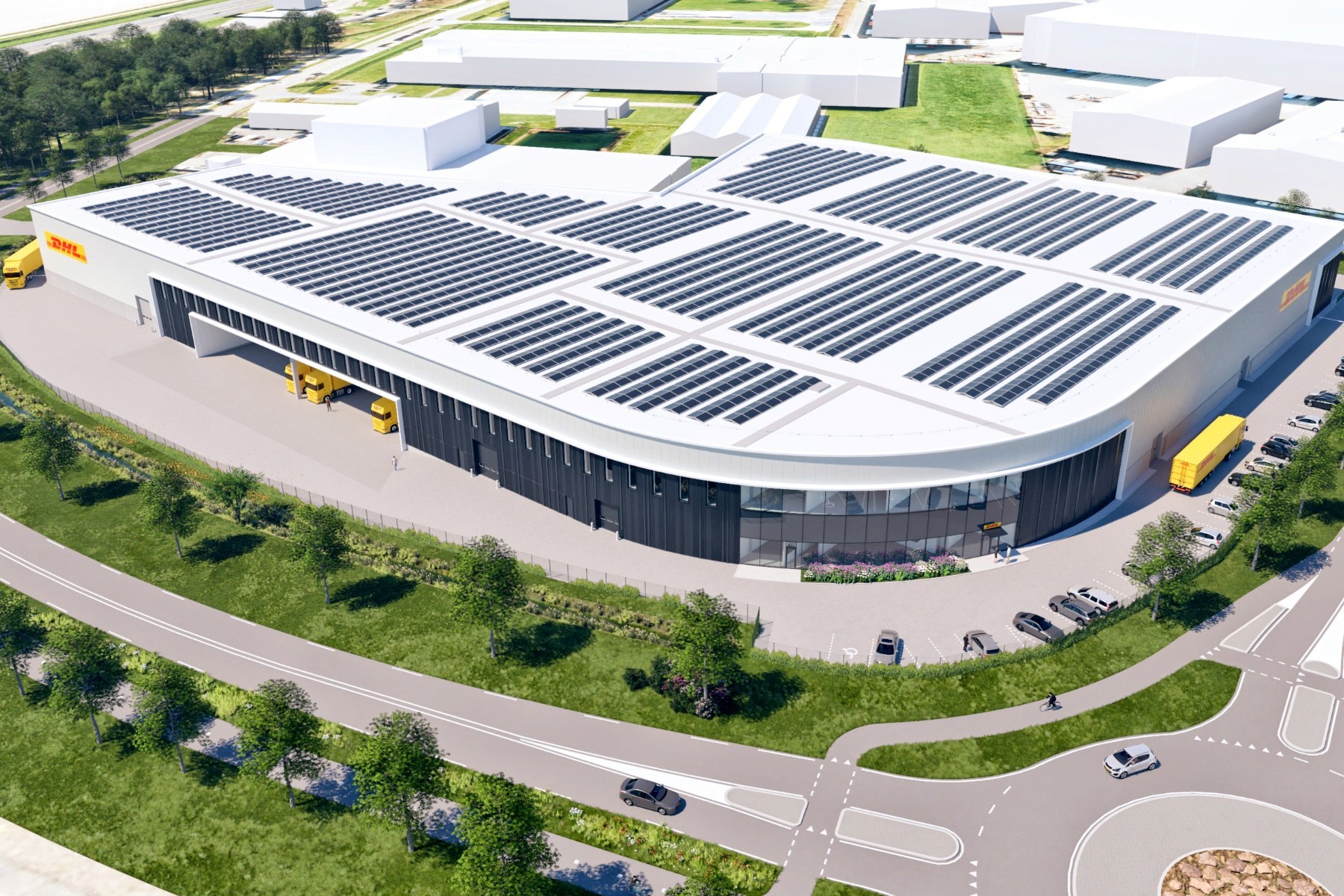
DHL Supply Chain has broken ground on a dedicated 17,000-square-metre battery logistics hub in Holtum, Netherlands, set to open in early 2027. Unlike its 20 existing EV Competence Centres, this facility focuses exclusively on high-voltage batteries for electric vehicles and battery energy storage systems (BESS). Located adjacent to DHL’s existing automotive site, the hub forms a unified European electromobility campus with direct motorway links to the Netherlands, Belgium, and Germany, plus access to the Juliana Canal inland shipping terminal. Services span the full battery lifecycle, including UN 38.3–compliant storage, diagnostics, charging, maintenance, reverse logistics, and recycling prep. The project advances DHL Group Strategy 2030, naming New Energy a decisive growth driver.

Original source: electrive.com

DHL opens 17,000-m² battery logistics hub in Holtum, Netherlands

According to electrive.com, DHL Supply Chain has broken ground on a dedicated high-voltage battery logistics hub in Holtum, Netherlands, with operations scheduled to commence in early 2027.

Dedicated Battery Infrastructure at Scale

The new facility will feature an approximately 17,000-square-metre storage and service area — the first DHL site exclusively focused on batteries. Unlike its existing 20 Competence Centres for Electric Vehicles, including the one opened in Slovakia in February 2026, this hub will not handle other EV components. Instead, it is designed to serve both electric vehicles and battery energy storage systems (BESS), a segment experiencing rapid growth across Europe.

Integrated Electromobility Campus

The Holtum location was selected to leverage DHL’s pre-existing automotive logistics operations at the same site. By linking the new battery hub with the adjacent DHL Supply Chain automotive facility, the company is establishing a unified European campus for electromobility and energy systems. The campus benefits from direct access to major motorways connecting the Netherlands, Belgium, and Germany, as well as proximity to a container and inland shipping terminal on the Juliana Canal. This multimodal connectivity supports resilient, low-emission transport options, including waterborne logistics.

Full Lifecycle Battery Services

The hub will deliver end-to-end value-added services covering the entire battery lifecycle. These include:

  • Secure storage of battery units under strict regulatory conditions
  • Diagnostic and performance testing
  • Charging and thermal conditioning
  • Maintenance and repair
  • Reverse logistics for returns and warranty processing
  • Preparation for recycling and second-life repurposing

Strategic Alignment with DHL Group Strategy 2030

“The transformation of mobility and energy systems is a key driver of change in global supply chains. By expanding our battery logistics capabilities in Holtum and closely linking them with our existing automotive expertise on site, we are creating a scalable one stop shop solution for the EV sector. This investment directly supports DHL Group Strategy 2030, where New Energy is a decisive growth driver for our business across Europe.” — Rainer Haag, CEO of DHL Supply Chain Europe

This expansion reflects broader industry trends: in 2025, the EU’s battery energy storage market grew by 42% year-on-year (according to ENTSO-E data), while global EV battery logistics demand rose 28% YoY (McKinsey & Company, Q1 2026 Logistics Outlook). Other major players are responding similarly — Maersk launched its dedicated EV battery handling protocol in Q4 2025, and UPS expanded temperature-controlled battery transport capacity across 12 EU airports in March 2026. For supply chain professionals, the Holtum hub offers certified compliance with UN 38.3, ADR, and IATA Dangerous Goods Regulations — critical for moving Class 9 hazardous goods safely and efficiently.

Source: www.electrive.com

Compiled from international media by the SCI.AI editorial team.

Ask SCI.AI Finished reading? Continue with SCI.AI. Explore the related policy, route, company and historical context. Continue asking
Dachser acquires 10% stake in Synergie Canada to expand airfreight
North America Supply Chain

Dachser acquires 10% stake in Synergie Canada to expand airfreight

German logistics firm Dachser has acquired a 10% minority stake in Synergie Canada, a Montreal-based air and sea freight forwarder founded in 2008. The investment strengthens Dachser’s North American presence and supports expansion beyond Europe. Synergie Canada generated €60 million in revenue in 2025 and employs around 100 people. CEO Tobias Burger called Canada 'a highly attractive market' due to its economic links across the Americas and Europe. President Marc-André Guindon noted the partnership will improve customer access to European markets. The deal follows similar moves by Atlas Air Worldwide and Air Charter Service in 2026.

Toyota opens $100M Indiana forklift plant, targets 80% electric by 2035
North America Supply Chain

Toyota opens $100M Indiana forklift plant, targets 80% electric by 2035

Toyota Material Handling North America (TMHNA) opened a $100 million electric forklift plant in Columbus, Indiana, on August 6, 2026. The 295,000-square-foot facility will produce Class 1 stand-up counterbalanced forklifts for Toyota and Raymond brands, enabling its Greene, N.Y., factory to pivot to reach trucks and automation. Production starts at eight units daily, scaling to 24 by September. TMHNA reports 70% of North American lift truck sales are now electric — projected to hit 80% by 2035. Seventy-five percent of output is custom-built, with 14 seat options available. Sixty percent of parts are sourced in North America, while Japan supplies key components; a new foreign trade zone helps bypass customs bottlenecks.

US lifts Mexico cattle ban Aug. 24 to curb beef prices
North America Supply Chain

US lifts Mexico cattle ban Aug. 24 to curb beef prices

The U.S. Department of Agriculture will lift its ban on Mexican cattle imports starting Aug. 24, 2026 — a restriction in place since November 2024 — to help curb record-high beef prices. The phased reopening affects three southern border ports and responds to a 22.7% year-over-year retail beef price surge. The move follows White House pressure on grocers and an antitrust probe into top beef processors ahead of the November 2026 elections. U.S. cattle inventories have fallen 12.3% since 2022, intensifying reliance on Mexican feeder cattle, which could supply up to 8% of domestic needs within a year.

Welcome Back!

Login to your account below

Create New Account!

Fill the forms below to register

Retrieve your password

Please enter your username or email address to reset your password.

Scan to share via WeChat

Open WeChat and scan the QR code to share

QR Code

Add New Playlist