India’s cross-border supply chain evolution has cut logistics costs from 13–14% to ~11% of GDP through digital integration, multimodal infrastructure, and policy enablers like GST and e-Way Bills. With 12+ multimodal logistics parks built since 2020, 70%+ AI/IoT coverage on key export corridors, and RCEP/India-UAE CEPA trade pacts active since May 2023, India offers an evidence-based blueprint for emerging markets. Experts cite adaptive infrastructure design — not perfection — and demand-driven, Tier 2/3–focused networks as critical success factors.
According to etedge-insights.com, India’s cross-border logistics market has evolved into a scalable, technology-driven model that reduced logistics costs by 3 percentage points — from a historical range of 13–14% of GDP — through systemic integration and digital enablers. This shift offers actionable lessons for emerging markets confronting fragmentation, infrastructure gaps, and geopolitical volatility.
From Fragmentation to Integrated Platforms
India’s supply chains were historically characterized by multiple intermediaries and unorganized logistics providers, contributing to inefficiencies and elevated costs. Logistics expenses had long hovered at 13–14% of GDP, compared to the global benchmark of 8–10%. The source states that centralized digital marketplaces — such as those enabling end-to-end procurement and supplier coordination — have improved visibility and cut decision latency across borders. According to the report, this integration has directly contributed to a 3-percentage-point reduction in logistics cost intensity over the past five years.
Infrastructure Adaptation Over Wait-and-See
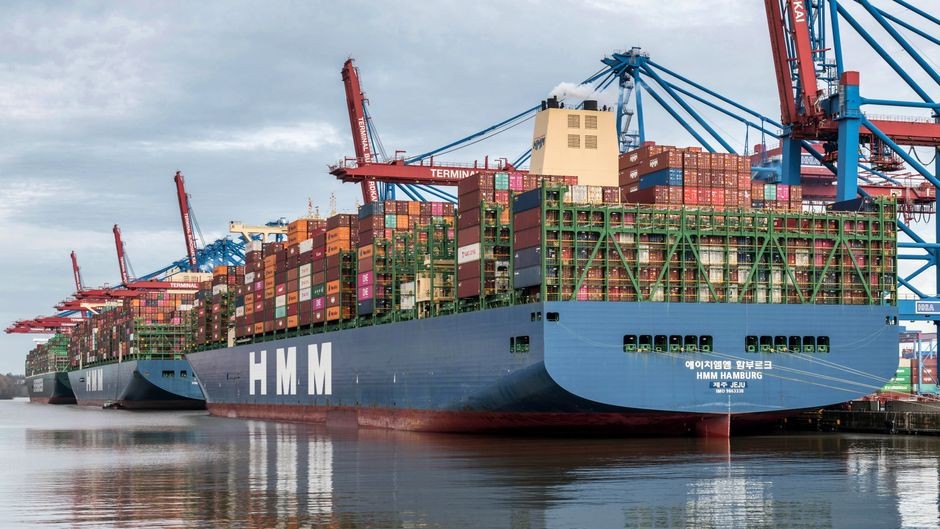
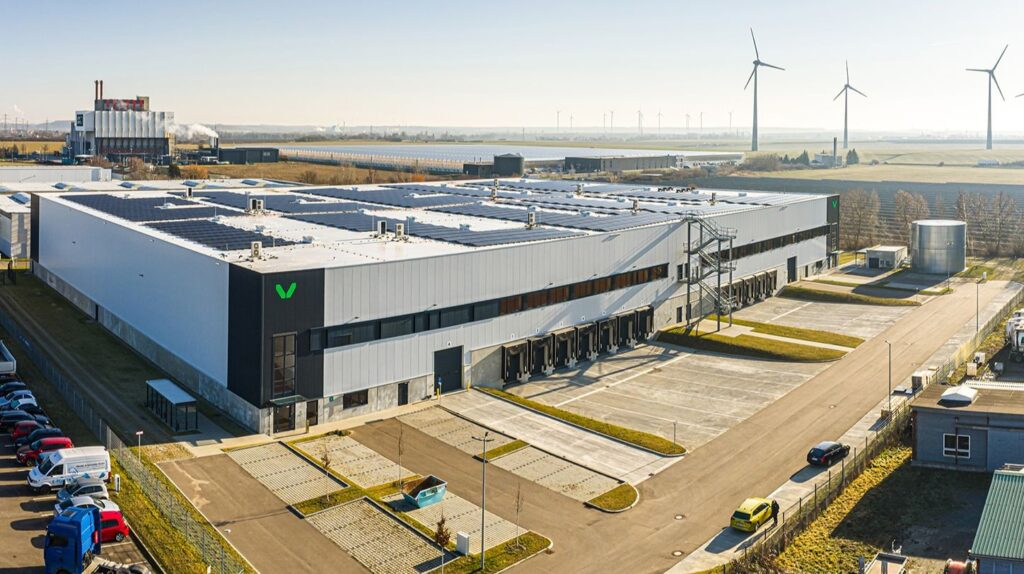
Despite persistent infrastructure disparities — including congested ports and inconsistent last-mile connectivity across Tier 2 and Tier 3 cities — India adopted adaptive logistics design rather than deferring action. The rise of multimodal logistics networks integrating road, rail, and port infrastructure enabled cargo movement efficiency despite structural constraints. The article notes that regional warehousing standards remain uneven, yet companies have deployed 12+ multimodal logistics parks under the Bharatmala Pariyojana and Sagarmala initiatives since 2020. These hubs serve as critical nodes for optimizing cross-border flows amid variable connectivity.
Technology as Operational Necessity
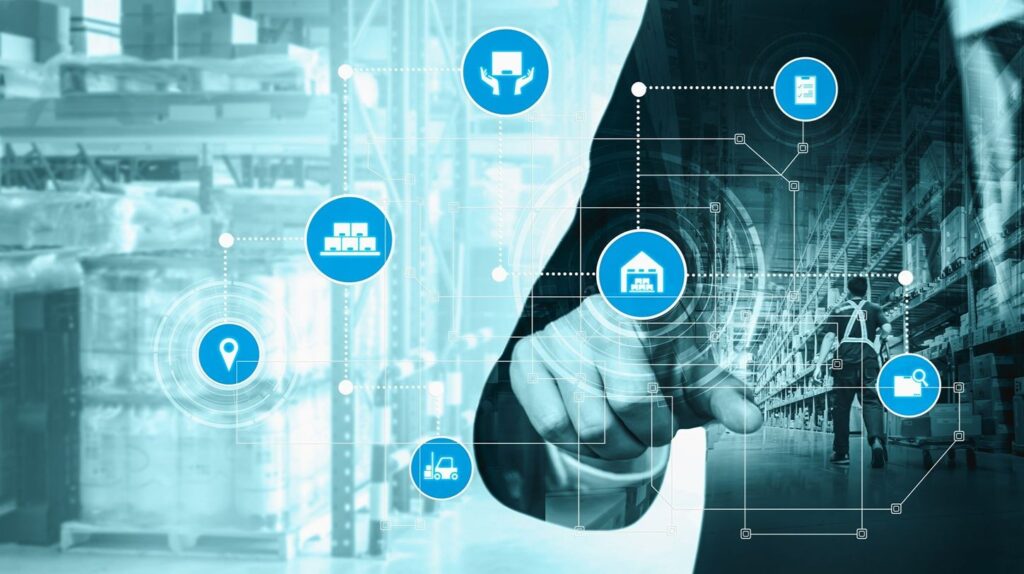
Digital transformation is not optional but foundational in India’s supply chain evolution. Government-backed systems — including the GST (Goods and Services Tax) platform launched in July 2017 and the e-Way Bill system introduced in April 2018 — have slashed interstate clearance times by up to 65% and reduced border checkpoint delays by an average of 4.2 hours per consignment. AI-driven demand forecasting tools and IoT-enabled real-time freight tracking now cover over 70% of high-volume export corridors, per the source. As Anish Popli, Founder & CEO of ProcMart, observes:
“India’s consumption story, driven by a growing middle class and expanding Tier 2 and Tier 3 markets, has reshaped supply chain dynamics.” — Anish Popli, Founder & CEO of ProcMart
Resilience Through Diversification and Localization
In response to global disruptions — including Red Sea shipping diversions and freight rate spikes of up to 220% in Q1 2024 — Indian firms accelerated supplier diversification and domestic capability building. The National Logistics Policy, launched in September 2022, set a target to reduce logistics costs to 8% of GDP by 2030. To date, over 320 industrial clusters have been mapped for nearshoring alignment with regional trade agreements like RCEP and the India-UAE CEPA, which entered force in May 2023.
Source: etedge-insights.com
Compiled from international media by the SCI.AI editorial team.