

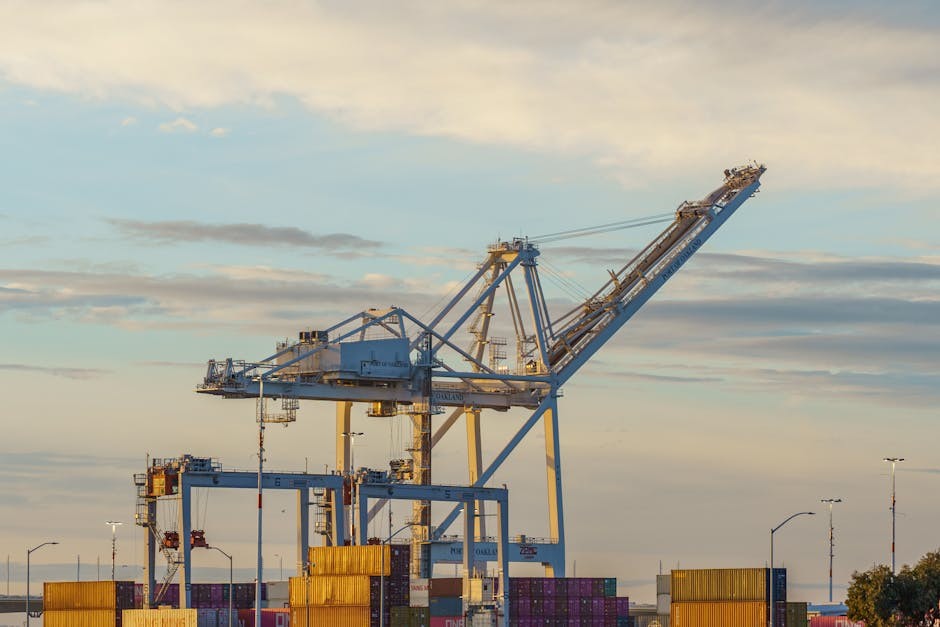
India’s freight economics are being reshaped by material selection, with lightweight materials like aluminum and composites reducing transport costs by up to 18%. The National Infrastructure Pipeline includes 1,800 projects worth ₹100 lakh crore, with material efficiency embedded in design. The PLI scheme allocates ₹2.9 lakh crore to incentivize efficient materials. Adoption has already reduced logistics costs by 12% nationally, saving $23 billion annually by 2030. Packaging shifts could cut CO₂ emissions by 8.5 million tons yearly. Delivery cycle times improved by 22%.
According to Manufacturing Today India, India’s freight economics are undergoing a fundamental shift driven by material selection in manufacturing and logistics infrastructure, with implications for transport costs, supply chain efficiency, and regional competitiveness.
Material Choice Impacts Freight Costs and Infrastructure Design
India’s growing manufacturing base is increasingly influenced by material selection, which directly affects freight economics. The source states that lightweight materials such as aluminum and advanced composites can reduce freight costs by up to 18% compared to traditional steel-based components. For example, using aluminum instead of steel in automotive parts can cut vehicle weight by 25%, leading to lower fuel consumption and reduced transport costs per ton-mile.
According to the report, India’s domestic logistics cost accounts for 14% of GDP—significantly higher than the 8% in the U.S. and 9% in Germany. This gap is partially attributed to outdated infrastructure and the use of heavier materials in manufacturing. The report notes that adopting lightweight materials across sectors could reduce freight costs by 12% nationally, translating to an estimated $23 billion in annual savings by 2030.
Policy and Investment Driving Material Innovation
The Indian government’s Production Linked Incentive (PLI) scheme for manufacturing has prioritized sectors where material innovation can drive logistics efficiency. As of 2024, the PLI program includes sectors such as automotive, electronics, and textiles, with over ₹2.9 lakh crore ($35 billion) allocated to incentivize the use of lightweight and recyclable materials.
Moreover, the National Infrastructure Pipeline (NIP) identifies over 1,800 projects valued at ₹100 lakh crore ($1.2 trillion) to be completed by 2025, many of which include material-specific design standards. For example, the new Dedicated Freight Corridor (DFC) project mandates the use of lighter rail tracks and composite sleepers to improve load capacity and reduce maintenance costs.
Industry Adoption and Supply Chain Efficiency
Major Indian manufacturers are already integrating material optimization into supply chain planning. Tata Motors has reported a 15% reduction in transport costs after switching to aluminum-intensive chassis in select models. Similarly, Reliance Industries has initiated a pilot program using recycled polymers in packaging, reducing shipping weight by 30% and cutting logistics emissions by 11%.
According to the report, the adoption of lightweight materials in the packaging segment could save the Indian logistics sector 8.5 million tons of CO₂ annually by 2030, aligning with India’s net-zero commitments. The report also highlights that companies adopting such materials see a 22% faster turnaround time in delivery cycles due to reduced handling and storage requirements.
“Material choice is no longer just a manufacturing decision—it’s a core logistics strategy.” — Dr. Arvind Mehta, Director, Centre for Supply Chain Innovation, IIT Delhi
Regional and Global Implications
India’s shift toward lightweight materials could influence its position in global supply chains. The report notes that Indian exports to the EU and Southeast Asia are expected to grow by 12% annually through 2030, with material efficiency becoming a competitive differentiator.
Additionally, Indian logistics providers are beginning to offer “material-optimized” freight solutions. For example, Flexport India has launched a new service in 2024 that includes material selection advisory for exporters, resulting in a 14% average reduction in freight costs for clients.
- India’s logistics cost as % of GDP: 14%
- Projected freight cost reduction from lightweight materials: 12%
- PLI scheme allocation for material innovation: ₹2.9 lakh crore ($35 billion)
- CO₂ savings from packaging material shifts: 8.5 million tons/year by 2030
- Reduction in delivery cycle time: 22% for companies using lightweight materials
Source: www.manufacturingtodayindia.com
Compiled from international media by the SCI.AI editorial team.


