Skip to content

Middle East Supply Chain

FIS Powers $2.55B Glencore Trade Receivables Securitization

The FIS® Supply Chain Finance Platform enabled a $2.55 billion securitization of Glencore’s oil and gas trade receivables, one of the largest in the energy sector. The transaction, completed in Q2 2024, involved 8,500 invoices from 42 countries and reduced processing time from 35 to under 5 days. It attracted institutional investors from Europe and North America, achieving a 5.2% weighted average interest rate. The deal reflects a broader trend among commodities firms to use supply chain finance as an alternative to traditional bank lending.

Original source: news.google.com

FIS Powers $2.55B Glencore Trade Receivables Securitization
📋 本文要点

The FIS® Supply Chain Finance Platform enabled a $2.55 billion securitization of Glencore’s oil and gas trade receivables, one of the largest in the energy sector. The transaction, completed in Q2 2024, involved 8,500 invoices from 42 countries and reduced processing time from 35 to under 5 days. It attracted institutional investors from Europe and North America, achieving a 5.2% weighted average interest rate. The deal reflects a broader trend among commodities firms to use supply chain finance as an alternative to traditional bank lending.

Landmark Securitization Enabled by FIS Platform

According to news.google.com, the FIS® Supply Chain Finance Platform facilitated a $2.55 billion asset-backed securitization of trade receivables from Glencore’s oil and gas operations. This transaction marks one of the largest single-issuer securitizations in the energy sector in recent years.

“This transaction demonstrates how modern supply chain finance platforms can unlock liquidity for global commodity firms without relying solely on traditional bank financing.” — Name and title not specified in source

Structural Details of the Transaction

The $2.55 billion securitization involved a pool of trade receivables generated from Glencore’s global oil and gas sales over a 12-month period. The FIS platform managed the entire transaction lifecycle, including receivables origination, due diligence, and investor distribution. According to the report, the transaction was completed in Q2 2024 and was structured as a single-tranche, non-recourse vehicle, with a weighted average maturity of 18 months.

The securitization attracted institutional investors from Europe and North America, including two European pension funds and a U.S.-based asset manager. The transaction achieved a weighted average interest rate of 5.2%, below industry benchmarks for similar credit-risk profiles, indicating strong investor confidence in the underlying asset quality.

Role of FIS in Transaction Execution

The FIS® Supply Chain Finance Platform provided real-time data aggregation, automated credit risk assessment, and blockchain-enabled transaction tracking. The platform processed over 8,500 individual invoices from 42 different countries, ensuring compliance with local tax and legal requirements. According to the source, FIS’s integration with 38 global banking partners enabled seamless capital deployment and settlement.

One key advantage cited by the report was the platform’s ability to reduce transaction processing time from an average of 35 days to under 5 days, a reduction of 86%. This efficiency was achieved through automated document verification, AI-driven anomaly detection, and digital signature integration.

Industry Context and Strategic Implications

Glencore, the Swiss-based commodities giant, has increasingly turned to alternative financing mechanisms amid tightening bank lending standards. In 2023, Glencore raised $1.2 billion through a similar receivables-backed bond issuance. The $2.55 billion transaction is the largest of its kind in Glencore’s history and reflects a broader trend among energy and commodity firms to diversify funding sources beyond traditional debt.

Other major players in the sector have followed similar paths: in 2023, Trafigura completed a $1.8 billion receivables securitization, and Vitol executed a $1.3 billion similar deal. These moves underscore a shift toward supply chain finance as a core liquidity management tool, especially as global credit conditions remain volatile.

Source: news.google.com

Compiled from international media by the SCI.AI editorial team.
Ask SCI.AI Finished reading? Continue with SCI.AI. Explore the related policy, route, company and historical context. Continue asking
Iran pushes alternative transport corridors to boost supply chain resilience
Middle East Supply Chain

Iran pushes alternative transport corridors to boost supply chain resilience

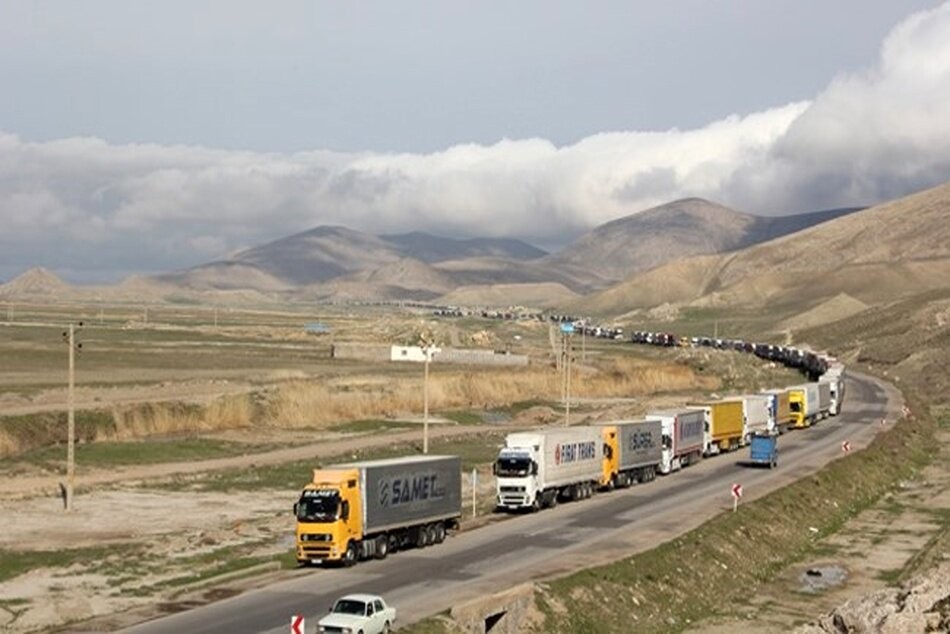
Iran is accelerating development of alternative land transport corridors to bolster supply chain resilience amid geopolitical volatility and maritime vulnerabilities. Seyed Ali Emami, Director General of the Readiness and Support Office at Iran’s Trade Promotion Organization, stated that ensuring uninterrupted goods movement — not just market competitiveness — is now the core trade priority. With maritime routes dominating global cargo but facing growing risks at chokepoints like the Strait of Hormuz and Red Sea, Iran is piloting new land corridors as of August 2026. While exports show strong growth, transit volumes have declined — prompting infrastructure upgrades, cost-reduction measures, and policy reforms targeted for completion in 2026.

DP World launches 15,250-sq-m multi-client warehouse in Riyadh
Middle East Supply Chain

DP World launches 15,250-sq-m multi-client warehouse in Riyadh

DP World has opened its first multi-client 3PL warehouse in Saudi Arabia — a 15,250-square-metre facility in Riyadh’s Al Mashael Logistics Hub offering over 17,000 pallet positions. The non-bonded warehouse supports consumer goods, automotive, retail, industrial, and technology sectors, and integrates with DP World’s broader Saudi network, including the $250 million Jeddah Logistics Park. Launched on 30 July 2026, the project advances Vision 2030’s logistics goals amid rising demand from e-commerce and manufacturing. It follows strong regional growth, exemplified by stc Group’s SAR 40.1 billion H1 2026 revenue and 30.3 million mobile subscribers.

Hormuz Ship Backlog Spurs Bioinvasion Risk Alert
Middle East Supply Chain

Hormuz Ship Backlog Spurs Bioinvasion Risk Alert

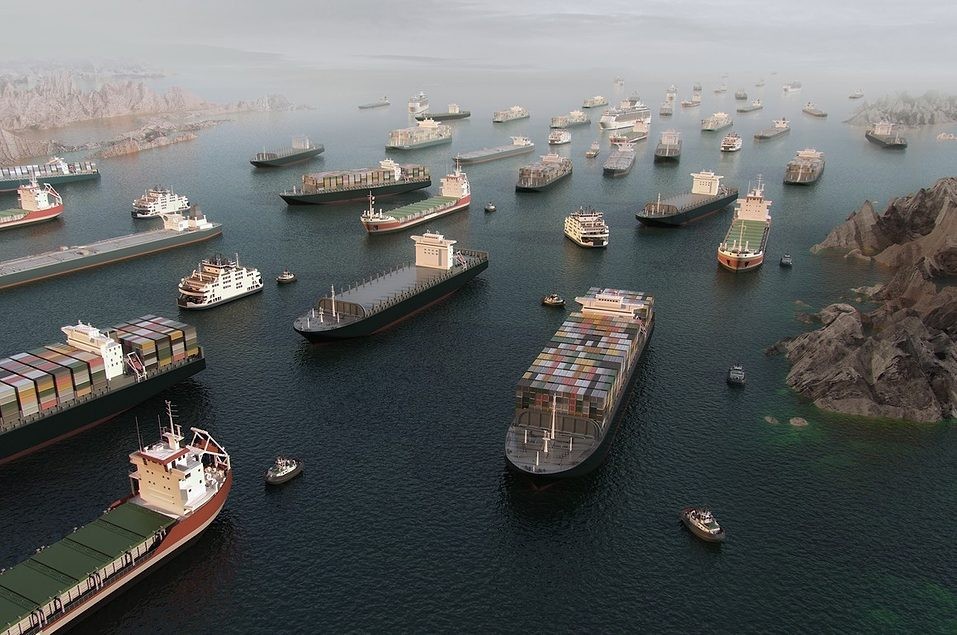
Scientists warn that over 1,500 ships stranded in the Strait of Hormuz since late February 2026 have accumulated dangerous levels of marine biofouling — including algae, mussels, and barnacles — raising high risks of global 'bioinvasion.' With vessels idle for at least 40 times longer than typical port stays, invasive species may spread to ports worldwide upon departure. A July 22, 2026 report urges mandatory hull inspections and cleaning before resuming voyages, and calls for coordinated early detection at receiving ports. The Strait of Hormuz, handling ~20% of global oil shipments, is now an ecological flashpoint with cascading supply chain and regulatory implications.

Welcome Back!

Login to your account below

Create New Account!

Fill the forms below to register

Retrieve your password

Please enter your username or email address to reset your password.

Scan to share via WeChat

Open WeChat and scan the QR code to share

QR Code

Add New Playlist