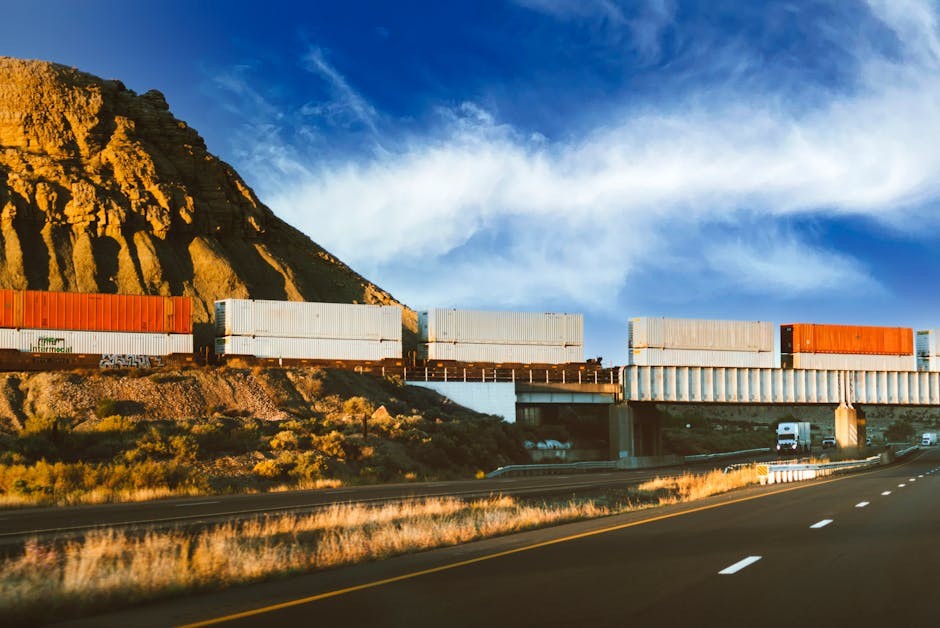
CSX reported a 3% year-over-year increase in total volume to 1.56 million units in Q1 2026, driven by a surge in truck-to-rail conversions amid rising fuel and trucking costs. Intermodal volumes rose 6% YoY, with segment revenue up 5%. SVP and Chief Commercial Officer Maryclare Kenney cited tighter trucking capacity and higher diesel prices as key tailwinds. Rivals Union Pacific and Norfolk Southern also noted similar optimism. The shift reflects broader cost-driven modal adjustments in North American freight logistics, particularly as geopolitical tensions—including the Iran war—elevate fuel volatility and pressure shippers to optimize transport economics.
Dive Brief
- More shippers are converting to rail freight as they contend with higher fuel and trucking costs, CSX SVP and Chief Commercial Officer Maryclare Kenney said in a Q1 earnings call.
- The railroad handled a total volume of 1.56 million units in Q1, up 3% year over year, according to its quarterly financial report. Intermodal volumes were also up 6% YoY, with revenue for the segment increasing 5%, Kenney said.
- “Our intermodal business has good momentum with tighter trucking supply and higher diesel prices creating tailwinds for freight conversions,”
“Our intermodal business has good momentum with tighter trucking supply and higher diesel prices creating tailwinds for freight conversions,” — Maryclare Kenney, SVP and Chief Commercial Officer, CSX
Dive Insight
High fuel costs tied to the Iran war are creating opportunities for railroad companies as shippers seek to cut costs before
Source: Supply Chain Dive
Compiled from international media by the SCI.AI editorial team.