Supply Network Africa identifies five pivotal logistics shifts for Sub-Saharan Africa in 2026: digital transformation (600M+ smartphone connections by 2025; 30–50% faster customs clearance), green logistics (Woolworths’ solar EV pilots), regional integration (AfCFTA’s 54-nation framework; $68–108B annual infrastructure gap), e-commerce expansion (500M+ internet users by 2025; drone deliveries scaling beyond Rwanda), and supply chain resilience (‘just-in-case’ models; solar backup at SA logistics hubs). These reflect deepening digital adoption, regulatory alignment, and infrastructure modernisation.
According to supplynetwork-africa.co.za, five structural shifts are poised to redefine logistics across Sub-Saharan Africa in 2026, driven by digital adoption, sustainability mandates, regional integration, e-commerce expansion, and resilience imperatives.
Digital Transformation Accelerates African Supply Chains
Digital innovation is accelerating across African logistics networks, supported by smartphone connections expected to reach over 600 million by 2025 (GSMA). Mobile money now accounts for 70% of global transactions (GSMA), enabling seamless digital payments in freight settlements. In markets with digitised customs and border processes, clearance times have improved by 30–50% (World Bank). Under the African Continental Free Trade Area (AfCFTA), digital customs systems and e-payments are reducing cross-border friction. Startups are deploying AI-powered fleet management tools via mobile apps—bypassing legacy IT implementations. According to the World Bank and IFC, Africa’s digital economy could add USD 180 billion to GDP by 2025, with long-term projections estimating growth to over USD 700 billion by 2050.
Green Logistics and Sustainability Take Centre Stage
Sustainability expectations stem primarily from regulators, multinational corporates, export-market requirements, and ESG-linked procurement standards—not direct consumer pressure. Retailer Woolworths is piloting solar-powered electric delivery vehicles in urban logistics. Ports and freight operators are developing ‘green corridors’—trade routes backed by renewable energy infrastructure across ports, warehouses, and transport fleets. Investments in solar-equipped warehouses, alternative-fuel fleets, and data-driven emissions monitoring are transitioning sustainability from a reputational differentiator to an operational requirement.
Regional Integration and Infrastructure Investment Boom
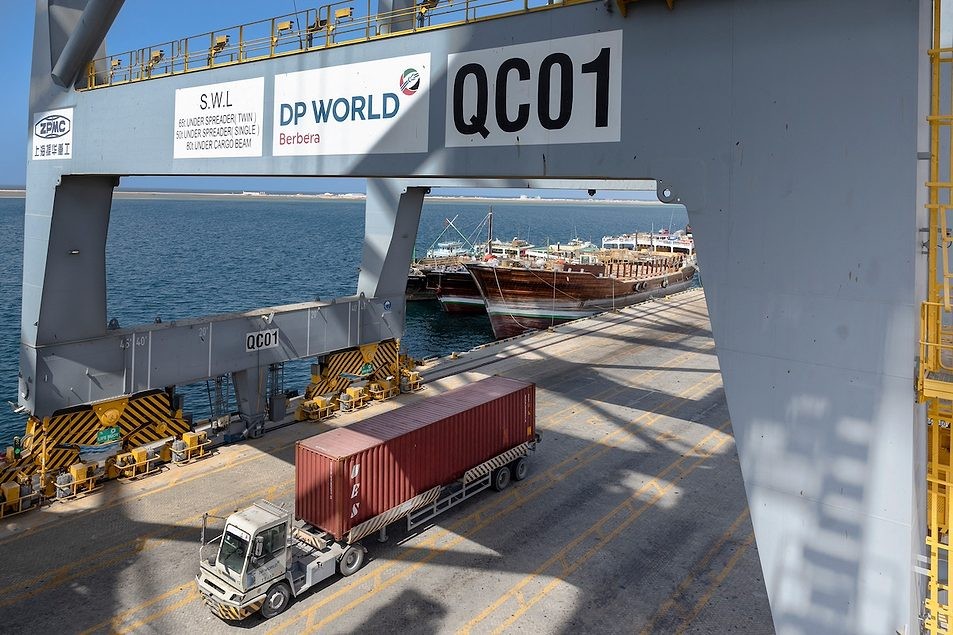
The AfCFTA covers 54 nations and, once fully implemented, could raise intra-African trade by more than 50%. Regional development banks and multilateral agencies are upgrading ports, rail links, roads, and warehouses under long-term modernisation programmes. However, Africa faces an annual infrastructure financing gap of USD 68–108 billion (AfDB). Targeted upgrades—including along the Maputo and Walvis Bay corridors—and large-scale investments under the AU’s PIDA programme are improving reliability on high-traffic routes.
E-Commerce Boom Spurs Last-Mile Innovation
Sub-Saharan Africa is projected to surpass 500 million internet users by end-2025. Online retail is expanding at double-digit rates, fueling demand for agile fulfilment. Companies are building urban micro-warehouses and deploying AI-driven inventory systems to enable same-day delivery. In Nairobi and Johannesburg, solutions include electric bikes, crowdsourced delivery networks, and pickup lockers. Drone deliveries—first deployed for medical cargo in Rwanda—are expanding into consumer goods for rural areas. Mobile money and digital-payment innovations are making e-commerce logistics faster, cleaner, and more inclusive.
Supply Chain Resilience and Localisation of Production
Global disruptions have intensified focus on self-reliance. Initiatives such as the African Textile Renaissance and agro-processing drives aim to retain value-addition on African soil. Companies are diversifying suppliers, increasing buffer inventories, and building regional warehouses. Energy security is now a resilience factor: South African logistics hubs are investing in solar and backup power to maintain uptime during outages. The shift from ‘just-in-time’ to ‘just-in-case’ models marks a new era in risk management.
“A fundamental re-wiring of African logistics… As industries evolve, Unitrans remains committed to leading this transformation through continued investment in technology, innovation, and partnerships that drive progress.” — Nicolé Mey, Executive
Source: supplynetwork-africa.co.za
Compiled from international media by the SCI.AI editorial team.