Dubai Chamber of Commerce and FedEx convened 196 company representatives to assess supply chain readiness and strengthen logistics resilience amid global trade disruptions. Discussions focused on public-private coordination, AI-driven routing and demand forecasting, multimodal flexibility, and proactive policy development. According to the report, integrated planning across ports, air cargo, and inland systems — alongside real-time visibility and alternative routing — is critical to sustaining service continuity. Dubai’s advanced infrastructure and connectivity underpin its role as a global trade hub.
According to www.logisticsmiddleeast.com, Dubai Chamber of Commerce convened 196 company representatives in collaboration with FedEx to assess supply chain readiness in Dubai and identify concrete measures to strengthen logistics resilience amid ongoing global trade disruptions.
Public-Private Coordination for Stability
The session emphasized coordinated policy and operational alignment between government and industry as foundational to supply chain stability. Maha Al Gargawi, Vice President of Business Advocacy at Dubai Chambers, underscored that collaboration remains central to Dubai’s business environment — supported by advanced infrastructure and strong connectivity. This ecosystem enables the emirate to sustain asset utilisation and respond effectively to volatility in global trade flows.
“Collaboration remains central to Dubai’s business environment, supported by advanced infrastructure and strong connectivity.” — Maha Al Gargawi, Vice President of Business Advocacy at Dubai Chambers
Participants highlighted that true resilience depends on integrated planning across ports, air cargo, and inland logistics systems — with specific attention to maintaining efficient vessel turnaround and minimising disruption spillover into adjacent nodes.
Digitalisation and Network Flexibility
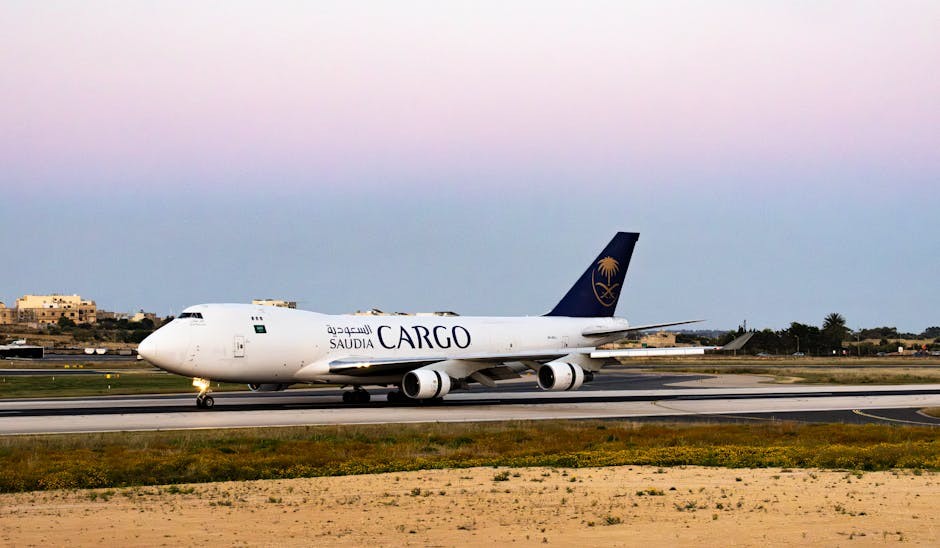
Digitalisation and network integration were identified as critical enablers of resilience. FedEx outlined how real-time visibility and data-driven decision making improve responsiveness to disruptions. Sammy Bousaba, Managing Director Sales at FedEx Middle East, Indian Continent and Africa, stressed that logistics networks must combine air and ground capabilities with digital tools to anticipate changes and maintain service continuity.
“Logistics networks must combine air and ground capabilities with digital tools to anticipate changes and maintain service continuity.” — Sammy Bousaba, Managing Director Sales at FedEx Middle East, Indian Continent and Africa
Artificial intelligence was highlighted as a tool to optimise routing, forecast demand shifts, and improve load factors across transport modes. Flexible operating models and alternative routing strategies were also discussed as key mechanisms to sustain trade flows when primary corridors face disruption.
Multimodal Flexibility and Proactive Planning
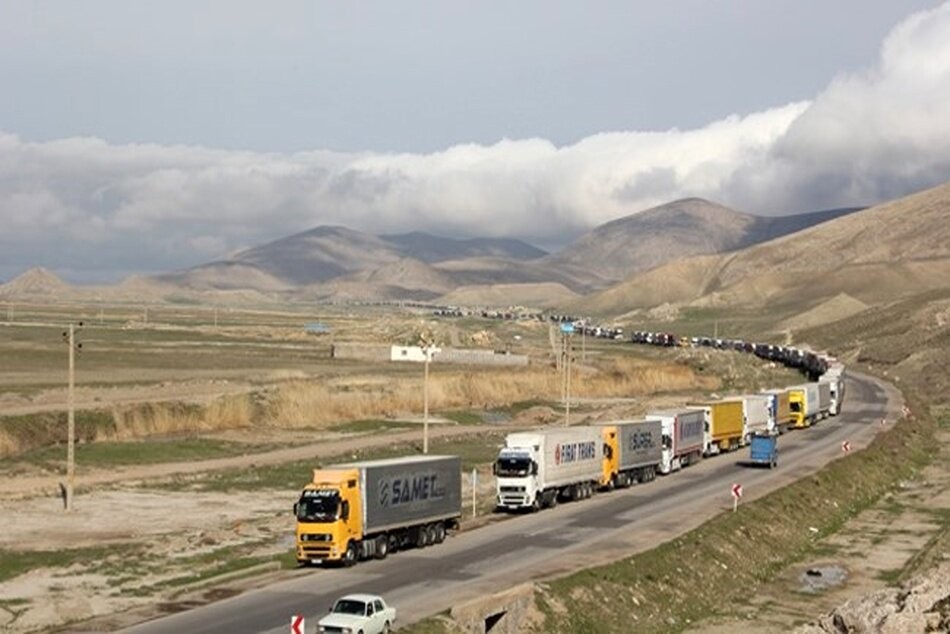
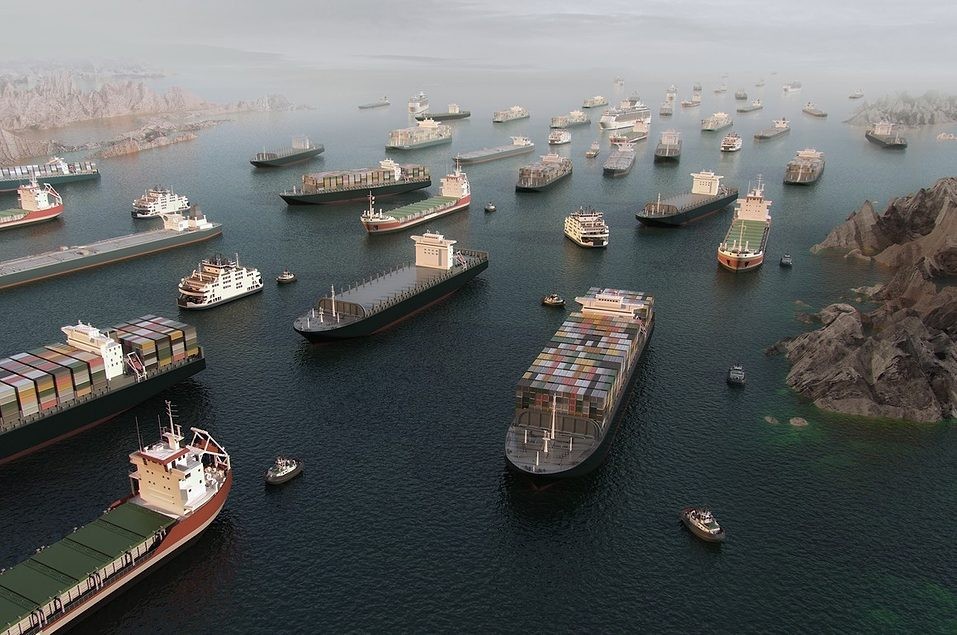
The session examined how companies can mitigate the impact of disrupted shipping routes by diversifying transport options. Multimodal logistics solutions were identified as essential to maintaining capacity and reducing reliance on single corridors. Participants noted that flexibility in routing and mode selection supports faster recovery and reduces pressure on congested nodes.
- Multimodal logistics solutions are essential to maintaining capacity
- Flexibility in routing and mode selection supports faster recovery
- Proactive planning and policy development are needed to manage future disruptions
- Adaptive strategies must align with evolving global logistics patterns
This approach improves overall network resilience and enhances the ability to maintain consistent service levels. The discussion reinforced the importance of continuous investment in infrastructure, technology, and partnerships to sustain Dubai’s position in global logistics networks.
Strategic Context for Supply Chain Professionals
For supply chain professionals operating across the Middle East, this initiative reflects a broader regional trend: governments and private logistics leaders are moving beyond reactive crisis management toward structured, collaborative resilience building. Dubai’s infrastructure — including Jebel Ali Port (one of the world’s busiest container ports) and Al Maktoum International Airport — provides a physical foundation, but the emphasis here is on operational agility. Similar efforts have been observed elsewhere: DHL’s 2025 Global Resilience Report cited multimodal flexibility and AI-powered forecasting as top-tier resilience levers among MENA shippers, while UPS has publicly invested in dynamic rerouting algorithms for air freight networks serving Gulf markets. Practically, professionals should audit their own corridor dependencies, validate multimodal fallback options (e.g., air-to-rail or sea-to-road combinations), and assess whether real-time visibility tools integrate across all transport legs — not just within single modes.
Source: www.logisticsmiddleeast.com
Compiled from international media by the SCI.AI editorial team.