Skip to content

Manufacturing · Supply Chain

Target Opens First Receive Center: $265M Houston Facility Boosts Supply Chain Capacity

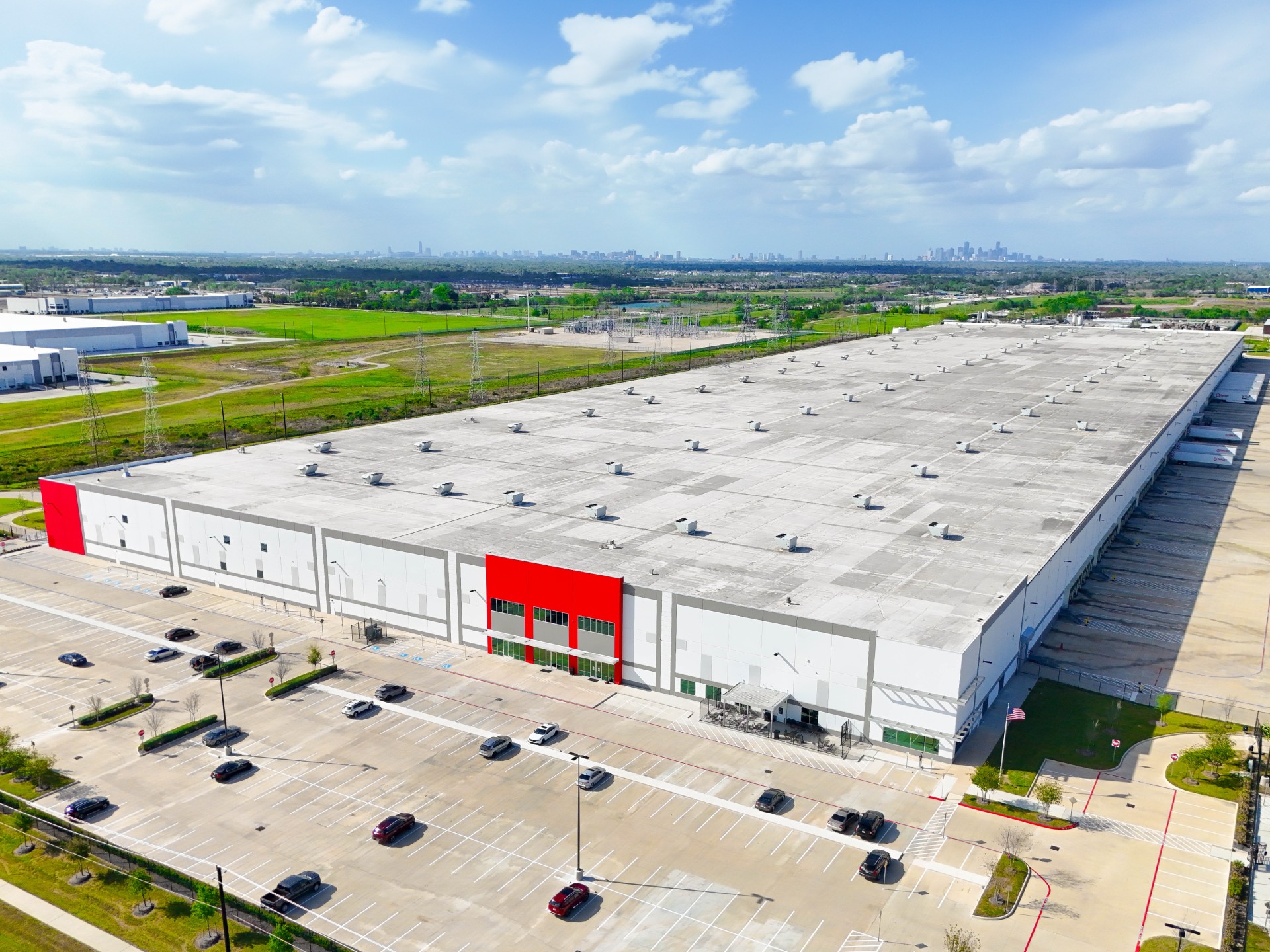
Target has opened its first Receive Center in Houston — a $265 million, 1.2 million-square-foot facility designed to intake products directly from global vendors and hold inventory until demand triggers distribution. Serving six regional distribution centers and one flow center, it reduces transit distances, prevents downstream congestion, and improves reliability for seasonal and hard-to-forecast items. The facility was fully designed using 3D simulation at Target’s XR Experience Center in Minneapolis — the first end-to-end application of this technology in facility planning. The project adds 185 jobs to Houston’s economy.

Original source: corporate.target.com

Target Opens First Receive Center: $265M Houston Facility Boosts Supply Chain Capacity
📋 本文要点

Target has opened its first Receive Center in Houston — a $265 million, 1.2 million-square-foot facility designed to intake products directly from global vendors and hold inventory until demand triggers distribution. Serving six regional distribution centers and one flow center, it reduces transit distances, prevents downstream congestion, and improves reliability for seasonal and hard-to-forecast items. The facility was fully designed using 3D simulation at Target’s XR Experience Center in Minneapolis — the first end-to-end application of this technology in facility planning. The project adds 185 jobs to Houston’s economy.

According to corporate.target.com, Target has opened its first dedicated Receive Center in Houston — a $265 million, 1.2 million-square-foot facility designed to increase supply chain flexibility and improve guest reliability by optimizing inventory intake and allocation.

Strategic Capacity Expansion

The Houston Receive Center serves six regional distribution centers and one flow center. Positioned between Target’s Import Warehouses in Georgia and Washington, it adds regionally based capacity to complement coastal facilities — reducing transit distances and associated costs. By receiving products directly from global vendors and holding inventory until demand signals trigger movement, the center helps prevent overcrowding in downstream distribution centers and store backrooms.

This model is especially valuable for items that are seasonal, bulky, difficult to forecast, or subject to long lead times. It also enables Target to secure high-demand goods — such as trending toys ahead of the holiday season — earlier in the procurement cycle, ensuring reliable in-stock availability when needed.

Technology-Driven Design

Target supply chain teams designed the facility using immersive 3D visualization and simulation technology at the company’s XR Experience Center in Minneapolis. This marked the first end-to-end application of the tool in facility design, producing a detailed digital twin used to pressure-test layouts, workflows, and operational flow virtually before construction began.

The result was a faster development process and a workforce operationally ready from day one.

Local Impact and Scale

  • The facility creates 185 new jobs in Houston, adding to over 6,300 Target team members already employed across 40 stores and a sortation center in the area.
  • In 2025, Target contributed over $6.2 million in product and cash donations to the greater Houston area and logged more than 18,500 volunteer hours by local team members.

Target operates over 2,000 stores nationwide and delivers to millions of guest doorsteps, relying on a network that receives goods from thousands of vendors across the U.S. and globally.

Source: corporate.target.com

Compiled from international media by the SCI.AI editorial team.

Ask SCI.AI Finished reading? Continue with SCI.AI. Explore the related policy, route, company and historical context. Continue asking
NRF: Early peak shipping season to subside in September
Supply Chain

NRF: Early peak shipping season to subside in September

The National Retail Federation (NRF) and Hackett Associates report that the early peak shipping season is ending, with U.S. port imports expected to decline for the rest of 2026. May was the busiest month at 2.24 million TEU. Tariff changes and supply chain disruptions drove retailers to pull forward orders. Consumer spending remains resilient. Full-year 2026 imports are projected at 25.5 million TEU, up 0.1% from 2025.

China’s exports rise 14%, imports up 22% amid trade war resilience
Supply Chain

China’s exports rise 14%, imports up 22% amid trade war resilience

China’s foreign trade rose 17.3% to ¥30.13 trillion in the first seven months of 2026, with exports up 14% and imports surging 22%. High-tech exports jumped over 50% in July, accounting for nearly 60% of monthly export growth. U.S.-China trade fell 1.6%, while ties with over 180 countries—including ASEAN and the EU—expanded. Green exports like EVs and lithium batteries posted double-digit growth for the 17th straight month. China also applies zero tariffs to imports from 63 countries.

TSMC revenue up 33.7%, ASML ships 86 lithography machines
Manufacturing

TSMC revenue up 33.7%, ASML ships 86 lithography machines

TSMC reported $40.2 billion in Q2 2026 revenue — up 33.7% year-on-year — with 2-nm process contributing 3% of sales. ASML shipped 86 new lithography machines in the same quarter, boosting revenue to €9.32 billion ($10.69 billion). TSMC holds 73% of the global foundry market, while ASML’s EUV tools remain essential for sub-3-nm chip production. Both companies’ five-year net income grew over 90% (ASML) and 251% (TSMC). TSMC’s $100 billion Arizona expansion will support 2-nm manufacturing and advanced packaging.

Welcome Back!

Login to your account below

Create New Account!

Fill the forms below to register

Retrieve your password

Please enter your username or email address to reset your password.

Scan to share via WeChat

Open WeChat and scan the QR code to share

QR Code

Add New Playlist

