Skip to content

Inventory & Fulfillment · Supply Chain · Warehousing

Target Opens $265M Receive Center to Serve 6 DCs

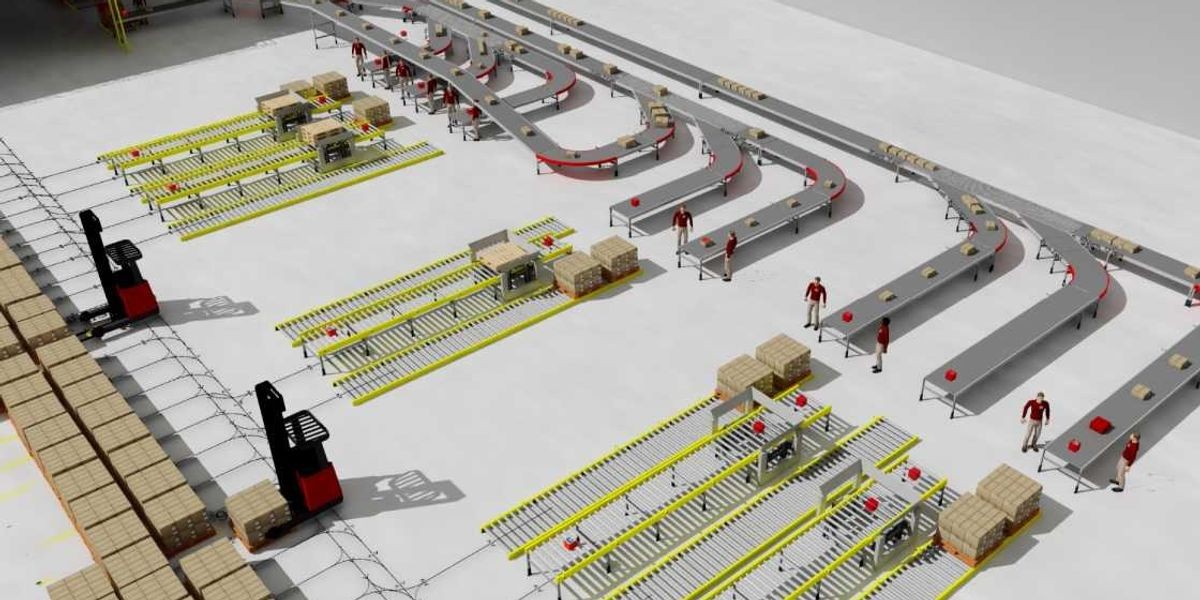
Target has opened its first $265 million 'receive center' in Houston, a 1.2-million square foot upstream warehouse designed to collect goods from global vendors and hold inventory until needed. The facility services six regional distribution centers and one flow center, helping prevent overcrowding and enabling faster, lower-cost replenishment.

Original source: dcvelocity.com

Target Opens $265M Receive Center to Serve 6 DCs
📋 本文要点

Target has opened its first $265 million 'receive center' in Houston, a 1.2-million square foot upstream warehouse designed to collect goods from global vendors and hold inventory until needed. The facility services six regional distribution centers and one flow center, helping prevent overcrowding and enabling faster, lower-cost replenishment.

According to www.dcvelocity.com, retail giant Target Corp. has opened its first “receive center,” a $265 million facility in Houston designed to collect goods directly from global vendors and hold those products until they are needed elsewhere in the supply chain.

Facility Details and Network Role

The 1.2-million square foot facility is a new type of node in Target’s supply chain network. According to the report, it will service six regional distribution centers and one flow center, helping replenish inventory that then goes to stores. The Receive Center is positioned between Target’s “import warehouses” in Georgia and Washington, complementing those coastal facilities by adding regionally based capacity.

Strategic Benefits

Target stated that by adding capacity at an earlier stage in its supply chain, it can wait to distribute inventory until the moment it is needed, ultimately preventing its distribution centers and store backrooms from becoming overcrowded. The expanded capacity is particularly beneficial for items that are seasonal, bulky, challenging to forecast, or have long lead times. It also gives Target the ability to secure popular items earlier on from vendors, such as trending toys for the holiday season.

By reducing the distances goods must travel from the receive center to regional DCs, Target expects to get products to the right place faster and at a lower cost.

Implications for Supply Chain Professionals

This move reflects a broader industry trend of retailers investing in upstream consolidation capacity to improve inventory flow and reduce congestion downstream. For supply chain professionals, the model demonstrates how holding inventory at an earlier stage—rather than pushing it all the way to store backrooms or distribution centers—can increase flexibility, especially for hard-to-forecast or seasonal items. The facility also serves as a buffer against volatility in global freight, allowing the company to secure trending products early without committing to final store allocation until demand signals are clearer.

Source: DC Velocity

Compiled from international media by the SCI.AI editorial team.

Ask SCI.AI Finished reading? Continue with SCI.AI. Explore the related policy, route, company and historical context. Continue asking
NRF: Early peak shipping season to subside in September
Supply Chain

NRF: Early peak shipping season to subside in September

The National Retail Federation (NRF) and Hackett Associates report that the early peak shipping season is ending, with U.S. port imports expected to decline for the rest of 2026. May was the busiest month at 2.24 million TEU. Tariff changes and supply chain disruptions drove retailers to pull forward orders. Consumer spending remains resilient. Full-year 2026 imports are projected at 25.5 million TEU, up 0.1% from 2025.

China’s exports rise 14%, imports up 22% amid trade war resilience
Supply Chain

China’s exports rise 14%, imports up 22% amid trade war resilience

China’s foreign trade rose 17.3% to ¥30.13 trillion in the first seven months of 2026, with exports up 14% and imports surging 22%. High-tech exports jumped over 50% in July, accounting for nearly 60% of monthly export growth. U.S.-China trade fell 1.6%, while ties with over 180 countries—including ASEAN and the EU—expanded. Green exports like EVs and lithium batteries posted double-digit growth for the 17th straight month. China also applies zero tariffs to imports from 63 countries.

TSMC revenue up 33.7%, ASML ships 86 lithography machines
Manufacturing

TSMC revenue up 33.7%, ASML ships 86 lithography machines

TSMC reported $40.2 billion in Q2 2026 revenue — up 33.7% year-on-year — with 2-nm process contributing 3% of sales. ASML shipped 86 new lithography machines in the same quarter, boosting revenue to €9.32 billion ($10.69 billion). TSMC holds 73% of the global foundry market, while ASML’s EUV tools remain essential for sub-3-nm chip production. Both companies’ five-year net income grew over 90% (ASML) and 251% (TSMC). TSMC’s $100 billion Arizona expansion will support 2-nm manufacturing and advanced packaging.

Welcome Back!

Login to your account below

Create New Account!

Fill the forms below to register

Retrieve your password

Please enter your username or email address to reset your password.

Scan to share via WeChat

Open WeChat and scan the QR code to share

QR Code

Add New Playlist

