Skip to content

Africa Supply Chain

Africa Supply Chain Boom: 50%+ Intra-African Trade Growth Expected

According to blog.conquerornetwork.com, Africa’s logistics market is shifting from survival to strategy mode, driven by port expansions (Mombasa, Lekki, Tangier Med), digital freight platforms, and rapid e-commerce growth. Challenges like customs inconsistency persist, but the African Continental Free Trade Area (AfCFTA) is projected to boost intra-African trade by over 50% in the coming decade. Emerging hubs include Nairobi, Johannesburg, Casablanca, Lagos, and secondary cities like Kigali and Addis Ababa. Ethiopia’s fast-growing cargo airport and Morocco’s EU gateway role underscore regional diversification. Conqueror Freight Network supports local forwarders with access to partners in over 134 countries.

Original source: blog.conquerornetwork.com

Africa Supply Chain Boom: 50%+ Intra-African Trade Growth Expected

According to blog.conquerornetwork.com, Africa’s logistics market is undergoing rapid transformation — shifting from ‘survival mode to strategy mode’ as governments and private investors accelerate infrastructure development and digital adoption across the continent.

The New Face of the Africa Supply Chain

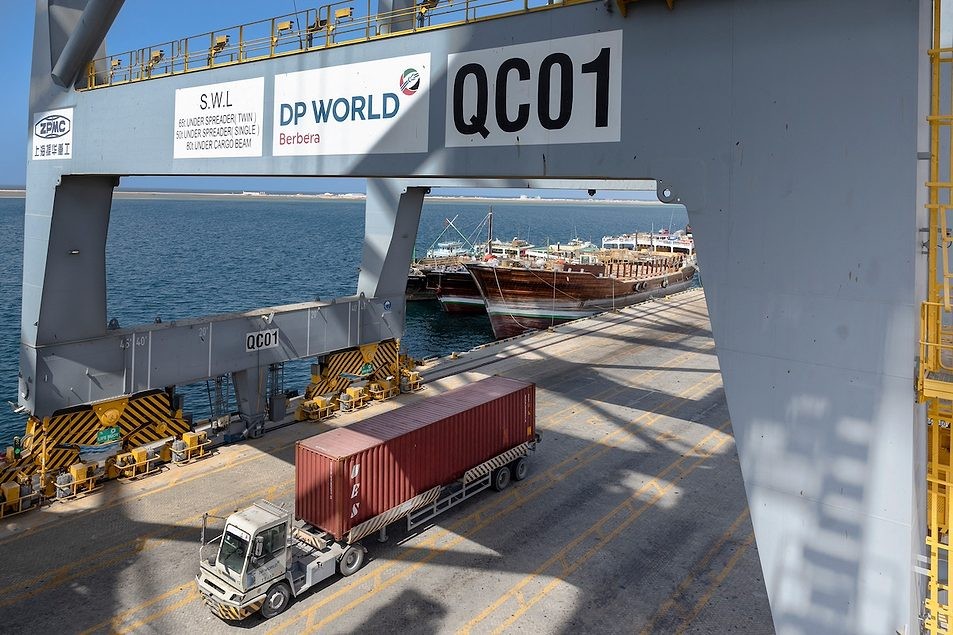
Public and private investment is expanding ports, railways, and free trade zones across Africa. The source highlights Kenya’s Mombasa Port, Nigeria’s Lekki Deep Sea Port, and Morocco’s Tangier Med as key emerging trade routes that connect Africa internally and externally — to Europe, the Middle East, and Asia. These hubs are helping reduce lead times and cut costs, making Africa increasingly attractive for manufacturers and distributors.

Challenges and Opportunities

The source states that infrastructure gaps, inconsistent customs procedures, and cross-border bureaucracy remain persistent challenges. However, it emphasizes that each challenge also represents a significant opportunity. Digital freight platforms are streamlining customs clearance and cargo tracking; technology adoption is improving supply chain visibility; and rapid e-commerce growth in South Africa, Ghana, and Kenya is driving demand for modern warehousing, cold chain logistics, and last-mile delivery solutions.

Emerging Logistics Hubs Across the Continent

Nairobi, Johannesburg, Casablanca, and Lagos are identified as leading African logistics hubs — with Kigali, Accra, and Addis Ababa also advancing through smart infrastructure investments. Ethiopia is noted for having one of the fastest-growing cargo airports in Africa, positioning itself as a regional aviation and logistics hub. Morocco’s industrial zones and port infrastructure are described as making it a gateway for trade between Africa and Europe. The African Continental Free Trade Area (AfCFTA) is cited as a game-changer, with the source stating it could boost intra-African trade by over 50% in the coming decade.

Africa vs Asia for Manufacturing and Logistics

The source notes that rising labor costs in Asia are prompting companies to seek new production bases — and Africa’s young workforce, expanding infrastructure, and strategic location make it a strong contender. It adds that Africa’s diversity offers distinct advantages: Egypt and Morocco connect directly to European trade routes, while Kenya and South Africa are developing robust intra-African logistics networks.

Why Joining a Global Network Can Accelerate Growth

For local freight forwarders, the source states that competing globally requires reliable international partners, strong digital tools, and access to broader trade opportunities. Conqueror Freight Network is presented as a solution — described as ‘the largest exclusive logistics network in the world’, offering membership to independent forwarders in Africa with direct connections to vetted partners in over 134 countries. It also provides digital resources, marketing visibility, and protection programs to help smaller players scale confidently.

The Road Ahead for Logistics in Africa

The source concludes that infrastructure improvements, spreading digital solutions, and trade agreements like AfCFTA are breaking down barriers. It characterizes Africa’s logistics evolution as ‘creating something new, tailored to its own geography, demographics, and entrepreneurial spirit’. As technology adoption increases and forwarders connect via networks like Conqueror, the continent’s potential to become a true supply chain powerhouse is described as ‘less of a prediction and more of a reality’.

Source: blog.conquerornetwork.com

Compiled from international media by the SCI.AI editorial team.
Ask SCI.AI Finished reading? Continue with SCI.AI. Explore the related policy, route, company and historical context. Continue asking
Stay ahead of supply chain shifts

One email a week: the stories that matter and new risk events — in English, free.

Prefer RSS? Articles Risk events

Maersk, Hapag-Lloyd resume Red Sea route amid capacity relief
Africa Supply Chain

Maersk, Hapag-Lloyd resume Red Sea route amid capacity relief

A.P. Moller-Maersk and Hapag-Lloyd announced on July 6, 2026, they are resuming Red Sea and Suez Canal transit for select Asia–Europe services — the first major carrier alliance to do so since late 2023. The move follows security reassessments and aims to alleviate vessel capacity constraints that drove spot rates up 37% in recent weeks. Maersk shares fell 9%, Hapag-Lloyd dropped 4.6%, reflecting market expectations of rate normalization. The Majestic Maersk, currently near Oman, will be the first redirected vessel. The Cape of Good Hope detour added ~14–18 days and $250,000–$350,000 in fuel costs per round trip.

DP World pledges $4B Africa expansion amid 75% fuel cost surge
Africa Supply Chain

DP World pledges $4B Africa expansion amid 75% fuel cost surge

DP World reaffirms its $4 billion investment pledge in African port and logistics infrastructure despite a 75% fuel price surge in South Africa and disruptions caused by the Strait of Hormuz closure. CEO Mohammed Akoojee confirmed ongoing projects including Maputo Port expansion and the DRC’s first deep-water port, due in Q1 next year. The company operates 7,000+ trucks across Africa and is shifting toward integrated logistics ecosystems linking Tanzania, Rwanda, Zambia, and Congo.

Global Hunger Falls to 645M in 2025 Amid Conflict Risks
Africa Supply Chain

Global Hunger Falls to 645M in 2025 Amid Conflict Risks

Global hunger fell to 645 million people (7.8% of the world population) in 2025, marking the third straight annual decline since pandemic-driven spikes. Yet conflicts — especially in the Middle East — and climate shocks threaten reversal, with the UN World Food Programme warning that 45 million more could face acute food insecurity if the Iran war continues and oil exceeds $100/barrel. Africa remains the epicenter: one in five people there were undernourished in 2025, and the UN projects 56% of the world’s hungry will live there by 2030. Supply chain professionals must now integrate humanitarian risk data into logistics planning, particularly across Red Sea and Suez Canal corridors.

Welcome Back!

Login to your account below

Create New Account!

Fill the forms below to register

Retrieve your password

Please enter your username or email address to reset your password.

Scan to share via WeChat

Open WeChat and scan the QR code to share

QR Code

Add New Playlist