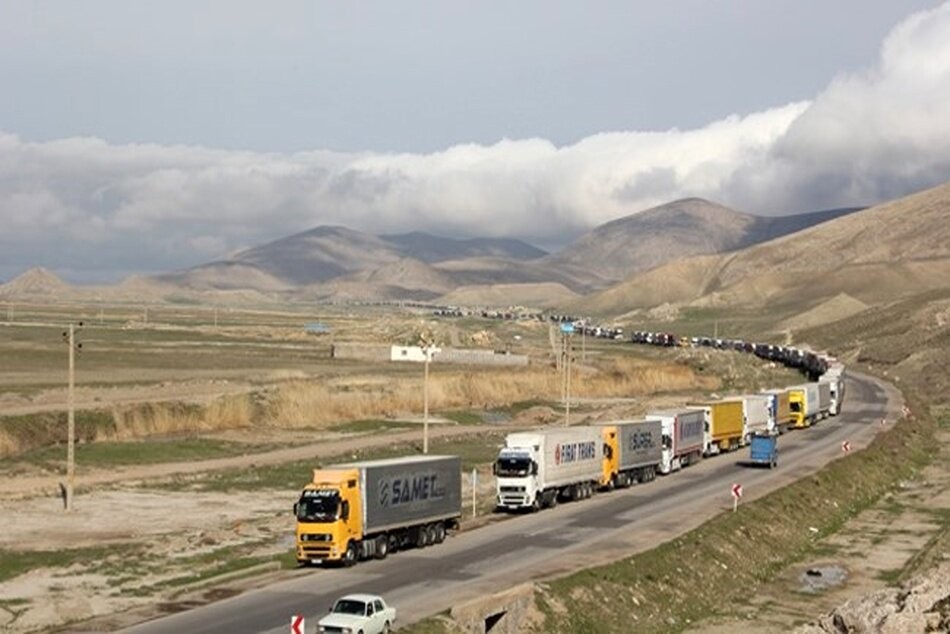
India’s gig logistics sector faces a critical trust gap: IDfy’s analysis of 5.8 million checks found 4.75% of truck driver candidates flagged serious red flags — significantly higher than last-mile (3.04%) or dark store (2.36%) workers. This middle-mile vulnerability threatens supply chain stability as the gig workforce targets 23 million by 2030. Regional disparities, festive-period hiring pressures, and absent regulatory standards compound risks like cargo theft and fraud. Experts stress that digital trust infrastructure — backed by AI verification and compliant with India’s 2023 Data Protection Act — is now essential for operational resilience.
According to www.whalesbook.com, India’s rapidly expanding gig logistics sector faces a critical vulnerability in middle-mile transport, where 4.75% of truck driver candidates flagged serious red flags during identity verification — a rate notably higher than for last-mile delivery drivers (3.04%) and dark store workers (2.36%). This finding comes from an IDfy report analyzing over 5.8 million background checks, underscoring a growing trust gap that threatens supply chain stability amid projections of a 23 million-strong gig workforce by 2030.
Drivers at the Core of Middle-Mile Risk
The elevated risk among intercity truck drivers stems from operational complexity: frequent cross-state movement hampers access to unified criminal, accident, and compliance records across fragmented state systems. Their responsibility for high-value cargo further amplifies exposure to fraud or misconduct. Supporting this pattern, AuthBridge reports a 5.6% discrepancy rate for gig workers, compared with 4.33% for traditional employees. Regional variation is evident — Kerala and Maharashtra showed higher detection rates, potentially reflecting stronger screening infrastructure rather than inherently riskier labor pools. Risk detection also spikes during the September–December festive hiring surge, when rushed onboarding may compromise verification rigor.
Business Impacts and Verification Gaps
Weak verification creates tangible business risks: inconsistent monitoring of a dispersed, often temporary workforce leaves companies exposed to cargo theft, reputational damage, and operational disruption. Past worker protests by Zomato and Swiggy delivery personnel highlight broader challenges in managing gig labor conditions and accountability. Unlike banking, India’s logistics sector lacks standardized background check mandates — a regulatory void that enables fraud, as seen when delivery personnel used over 100 fake identities to claim referral bonuses, costing firms an estimated ₹16 lakh. Cybersecurity vulnerabilities are compounded by incidents like the 2023 data breach on India’s National Logistics Portal-Marine.
Building Digital Trust Infrastructure
IDfy co-founder and CEO Ashok Hariharan emphasized the foundational role of trust:
“India’s gig economy runs on three pillars—speed, scale, and trust. But when hiring expands rapidly, verification often takes a backseat.”
IDfy, which serves over 1,500 businesses including major e-commerce and logistics firms, reported ₹128.2 Cr in revenue for FY24. Competitors AuthBridge and Screeningstar also deploy AI-driven verification tools. With the Digital Personal Data Protection Act of 2023 now in force, secure, privacy-compliant identity infrastructure is no longer optional — it is central to resilience.
Practitioner Implications
For global supply chain professionals operating in or sourcing from India, these findings signal urgent due diligence requirements. Middle-mile partners must demonstrate verifiable, real-time identity assurance — not just onboarding checks but ongoing risk monitoring aligned with evolving regulatory expectations. Given India’s projected 4.1% contribution to national income by 2029–30, supply chain stakeholders should treat trust infrastructure as a core capability, equivalent in priority to network reach or delivery speed. Integrating third-party verified identity data into vendor risk assessments, audit protocols, and insurance underwriting is now a practical necessity — not a compliance formality.
Source: www.whalesbook.com
Compiled from international media by the SCI.AI editorial team.